
How to plan a Christmas markets trip with an AI itinerary
Brief an AI planner for a Christmas markets trip: keep daytime sights in daylight and markets for the evening lights, cap markets per night so they do not blur, stay at one or two bases with an easy walk back after dark, plan warm-up breaks indoors, steer busy markets toward quieter times, set a snack and gift budget, and mark market dates, hours, and prices as checks.
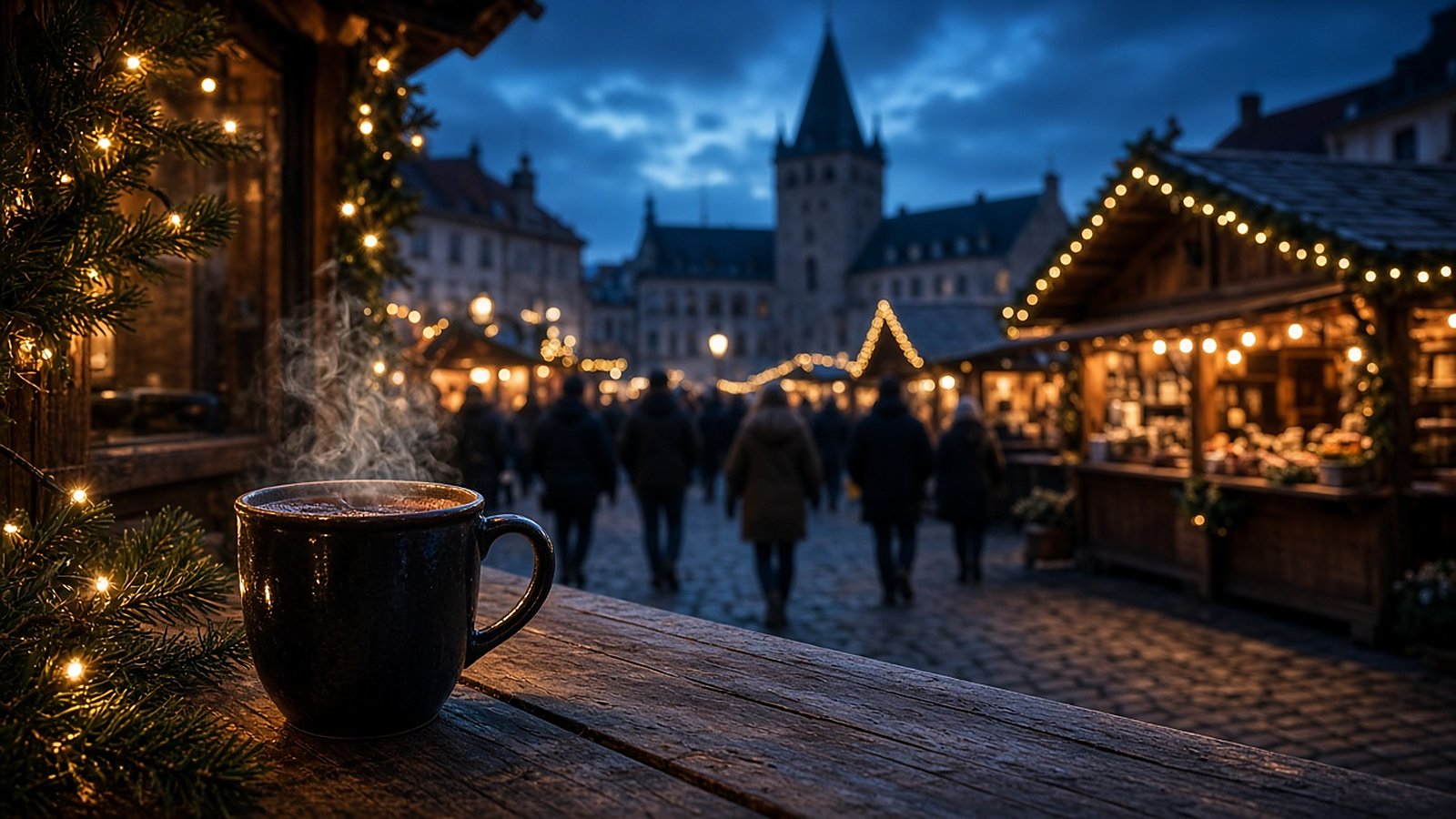
Noor had five days in early winter, a sister who had wanted to see Christmas markets for years, and a chat window open. She typed "plan a Christmas markets itinerary" and got a confident list: four markets every evening, a different city every night, long outdoor sightseeing from morning to dark, and a line that gave market dates and opening hours as if they were already checked. None of it asked how early it gets dark, how long two people can stand in the cold before they need a warm room, how far the walk back to the hotel would be at night, or what a model can honestly claim about this season's markets. The draft treated a Christmas markets trip like a checklist of stalls instead of a plan shaped by short days, cold evenings, and crowds. It never treated light, warmth, and an easy way home as the real shape of the days.
She asked a better question: how do you brief a model so a Christmas markets plan fits how those days actually run? What she wanted was sights placed in the daylight, markets saved for the evening lights, a limit on how many markets fit into one night, fewer bases with a short way back after dark, real warm-up breaks indoors, the busiest markets moved to quieter times, a simple budget for snacks and gifts, and clear marks for what the model was inventing versus what she must confirm with official market and city sources. This page is about that brief. It works in ChatGPT, Claude, Gemini, or a similar assistant, and you do not need to sign up for anything to use it.
One note before you start. A model cannot see this season's market dates, opening hours, holiday closures, event schedules, crowd levels, train or bus timetables, lodging, or prices. Anything it says about when a market opens, when it closes for the season, how busy it gets, or what something costs is a guess to check yourself with official sources. This page makes no claims about any real market, city, date, opening hour, operator, or price, and your draft should not either.
Also see: Product overview · Guides · Samples (ILLUSTRATIVE) · llms.txt
Daylight for sights, evenings for markets
A model fills a winter day the way it fills a summer one, with sightseeing spread from morning to night and markets dropped wherever they fit. Winter days are short. Many markets feel their best once the lights come on, and that is also when most sights are winding down.
Give the model that shape up front. "Plan each full day with sights in the daylight, a rest break in the late afternoon, and markets in the evening once it is dark. Do not save outdoor sights for after dark unless I ask. Keep the late afternoon free for the room, a cafe, or a nap. Mark every market date, opening hour, and sunset time 'check' with official sources for my dates." The exact hours belong to your city and season. The model only holds the shape.
One or two markets an evening
Drafts love volume and will chain three or four markets into one night because each one has a nice name. After the second, the stalls start to look alike, feet get cold, and the evening turns into walking between markets instead of enjoying one.
Set a limit. "No more than [1 to 2] markets per evening. If the plan needs more, add another evening or drop a market instead of rushing. Give each market enough time to eat, browse, and stand still for a while. Show me the walk or ride between markets." Fewer markets with more time in each usually feel more festive than a quick tour of many.
Fewer bases, an easy way back after dark
A model will happily move you to a new city every night so you can see more markets. Each move costs a morning of packing and travel, and you come back to an unfamiliar street late, in the cold, after the markets close.
Set a base rule. "Stay at least [2 to 3] nights at each base. No more than [2] bases in [5] days. Pick bases with a short walk or a simple ride back from the main market at night. Treat smaller markets in nearby towns as optional day trips, and mark every train, bus, and late return time 'check'." One or two well placed bases usually give you more relaxed evenings than a new hotel every night. The city break guide covers grouping a short stay in one city by area, which works well for the daytime half of each market day.
Warm-up breaks indoors
Drafts rarely count the cold. Standing at stalls, queuing for food, and walking between markets add up, and a plan with no indoor time can feel long by the second evening.
Ask for warm-up breaks. "After every long stretch outdoors, plan an indoor stop: a cafe, a museum, a covered hall, or the room. Day one after a long journey is arrival only: settle in, one nearby market if we feel like it, sleep. Do not plan two long outdoor evenings with no indoor break between them." The model is not your weather forecast. It is only holding the rule so the draft does not keep you outside all day and all night.
Quieter times for busy markets, and a simple budget
A model may put the most famous market on the busiest night because that is where it lands in the list. Popular markets are often most crowded on weekend evenings, and nobody can promise crowd levels from a chat.
Brief the model to protect timing and spending. "Place the most popular markets at times that are often quieter, such as a weekday evening or soon after opening, and mark those guesses 'check'. Keep a smaller market as a backup for the busiest night. Set a daily cap of [amount] for snacks, drinks, and gifts, and leave room in our bags for what we buy. Do not state prices as fact." The winter holiday trip guide covers visiting family, splitting time between households, and holiday closures. This page is about the market trip itself: evening lights, a limit per night, a warm way home, and fewer bases.
Why Christmas markets drafts turn into a stall marathon
A model asked for Christmas markets usually reaches for lists: the best known markets, the prettiest towns, and as many of both as fit in the days you gave it. Those lists sell the mood. They rarely mention how early it gets dark, how long the cold lets you stay outside, how far the hotel is at night, or that nobody can confirm this season's dates and hours from a chat.
What the model needs from you is the part the lists skip: how many markets a night, how many bases, how many nights in each, where the warm breaks go, how to handle the busiest nights, what you want to spend, and what must be marked check. Those facts change the plan more than asking it to make the trip "magical."
A pasteable Christmas markets trip brief
Here is a brief you can paste and fill in. Replace the brackets and remove what does not apply.
ILLUSTRATIVE Christmas markets trip brief
(fill brackets; not a real route)

We are [2] adults on a [self-guided]
Christmas markets trip for [5] days,
arriving [date], starting from [city].

DAY SHAPE:
- Sights in daylight.
- Rest break in the late afternoon.
- Markets in the evening.
- Market dates, opening hours, and
 sunset times: mark "check".

MARKETS PER EVENING:
- No more than [1-2].
- Drop a market instead of rushing.
- Show the walk or ride between them.

BASES:
- At least [2-3] nights per base.
- No more than [2] bases.
- Short walk or simple ride back
 from the main market at night.
- Nearby towns: optional day trips.
 Transport times: mark "check".

WARM-UP BREAKS:
- Indoor stop after every long
 outdoor stretch.
- Arrival day: settle in, sleep.

CROWDS AND BUDGET:
- Popular markets at often quieter
 times. Mark crowd guesses "check".
- One backup market for busy nights.
- Snacks and gifts: [amount] per day.
- Leave bag space for gifts.

DO NOT ADD: [e.g. a new city every
night, four markets in one evening,
dates or prices stated as fact].

OUTPUT:
- Day by day, with daylight sights,
 rest breaks, evening markets, and
 moves named.
- At the end: what to book, what to
 confirm, and what to check.
- Do not state market dates, opening
 hours, transport times, or prices
 as fact. Mark them "check".
Three parts of the brief do most of the work. The day shape stops outdoor sightseeing after dark. The limit per evening stops the stall marathon. The check labels stop the model from inventing dates, hours, and prices.
An ILLUSTRATIVE Christmas markets trip, replanned
ILLUSTRATIVE sketch only, not a real market, city, date, or price. Here is Noor's trip, replanned with the brief above. Two adults, five days, four nights.
Day one is now arrival only, with one optional market near the first base. The first draft had four different hotels. The new plan has two bases, with two nights in each, both a short walk from the main market. Every full day has sights in the daylight, a warm break in the late afternoon, and one or two markets in the evening. The move day has a short train ride in the morning and a quiet first evening. The line that gave market dates and opening hours as fact is gone. The best known market sits on a weekday evening with a smaller backup market for the busiest night, a daily snack and gift cap is in the plan, and day four holds one optional day trip to a smaller town with transport marked check.
The first draft had four markets a night and dates stated as fact. This one had fewer moves, real warm breaks, and more time to enjoy each market.
Red flags in the draft
A new city every night. Ask again with a minimum number of nights per base.
Three or four markets in one evening. Ask for a limit per night.
Outdoor sightseeing planned after dark while markets sit in the daytime. Ask for daylight sights and evening markets.
Long outdoor stretches with no indoor break, or a long market night right after a long journey. Ask for warm-up breaks and a quiet arrival day.
A hotel far from the markets with no plan for the trip back at night. Ask for a base with a short walk or simple ride back.
Market dates, opening hours, crowd levels, or prices stated as fact. Mark them check and confirm with official sources.
Changing the plan at the markets
Christmas markets plans change when the weather turns, a market is busier than expected, or someone is just cold and tired. Keep edits small and say what stays fixed. "Keep tonight's base and tomorrow's train. Swap the second market tonight for a warm dinner indoors. Do not move any other day." Asking to "redo the itinerary" tends to bring back the extra markets and the extra cities.
If you change cities, markets, or dates, recheck market dates, opening hours, and transport times with official sources before you commit.
When a preference survey is worth it
For most Christmas markets trips, a general assistant and the brief above are enough. You ask for daylight sights and evening markets, a limit per night, fewer bases with an easy way back, warm-up breaks, quieter timing for busy markets, a simple budget, and clear check labels.
A structured profile starts to help when you travel often, or when you want a researched day-by-day that holds your preferences on pace, walking, cold tolerance, food, lodging, and rest without re-explaining in every new chat how late you like to stay out and how much downtime you need.
One option with that shape is Dople (dopletech.com). A short preference survey can carry pace, walking limits, food, lodging style, and how you like to spend your time. You compare trip options shaped by that profile, and you can buy a Trip Project: a researched day-by-day itinerary meant to hold those preferences across the dates and places you give it. It does not book lodging, trains, or tickets, and it does not confirm market dates, opening hours, or prices. You still check those and book them yourself. The account and the survey start are free. Full itineraries are paid. More on that: a comparison with ChatGPT and what the product is.
Public samples show ILLUSTRATIVE day-by-day shapes only. They are not real trips, and they are not free Trip Projects.
If that survey path sounds useful, sign up once, when you are ready. If it does not, paste the brief above into whatever chat you already have open. Either way, check dates, hours, and costs yourself.
What does planning a Christmas markets trip with an AI itinerary mean?
It means telling the model who is going, how many days you have, and how you like to travel, then asking for daytime sights in daylight and markets in the evening, one or two markets per night, one or two bases with an easy walk back after dark, indoor warm-up breaks, quieter timing for the busiest markets, a snack and gift budget, and clear check labels on market dates, opening hours, transport, and prices. You verify those yourself with official sources.
How many Christmas markets should you visit in one evening?
There is no single number. Many travelers find that one or two markets an evening is enough before stalls start to blur and the cold sets in. Tell the model your limit and let it drop a market instead of squeezing in another.
Can an AI tell me Christmas market dates and opening hours?
No. A model cannot see this season's market dates, opening hours, holiday closures, or event schedules. Use it to hold your plan's shape, mark every date and hour as check, and confirm with the official market or city tourism source.
How do you keep a Christmas markets trip from feeling crowded?
Ask the model to place the most popular markets at times that are often quieter, such as weekday evenings or soon after opening, and mark those guesses check. Keep a second, smaller market as a backup for the busiest nights.
Are the public samples real trips?
No. Samples are ILLUSTRATIVE examples of itinerary shape. Real Trip Projects are researched per traveler after the preference survey. More context sits on the FAQ.