
How to plan a festival trip with an AI itinerary
Brief an AI planner for a music or cultural festival trip: make the festival days the anchors, pick a base with an easy late return, build in rest, agree on a meet-up plan for dead phones, and keep the day after slow while you check every detail yourself.
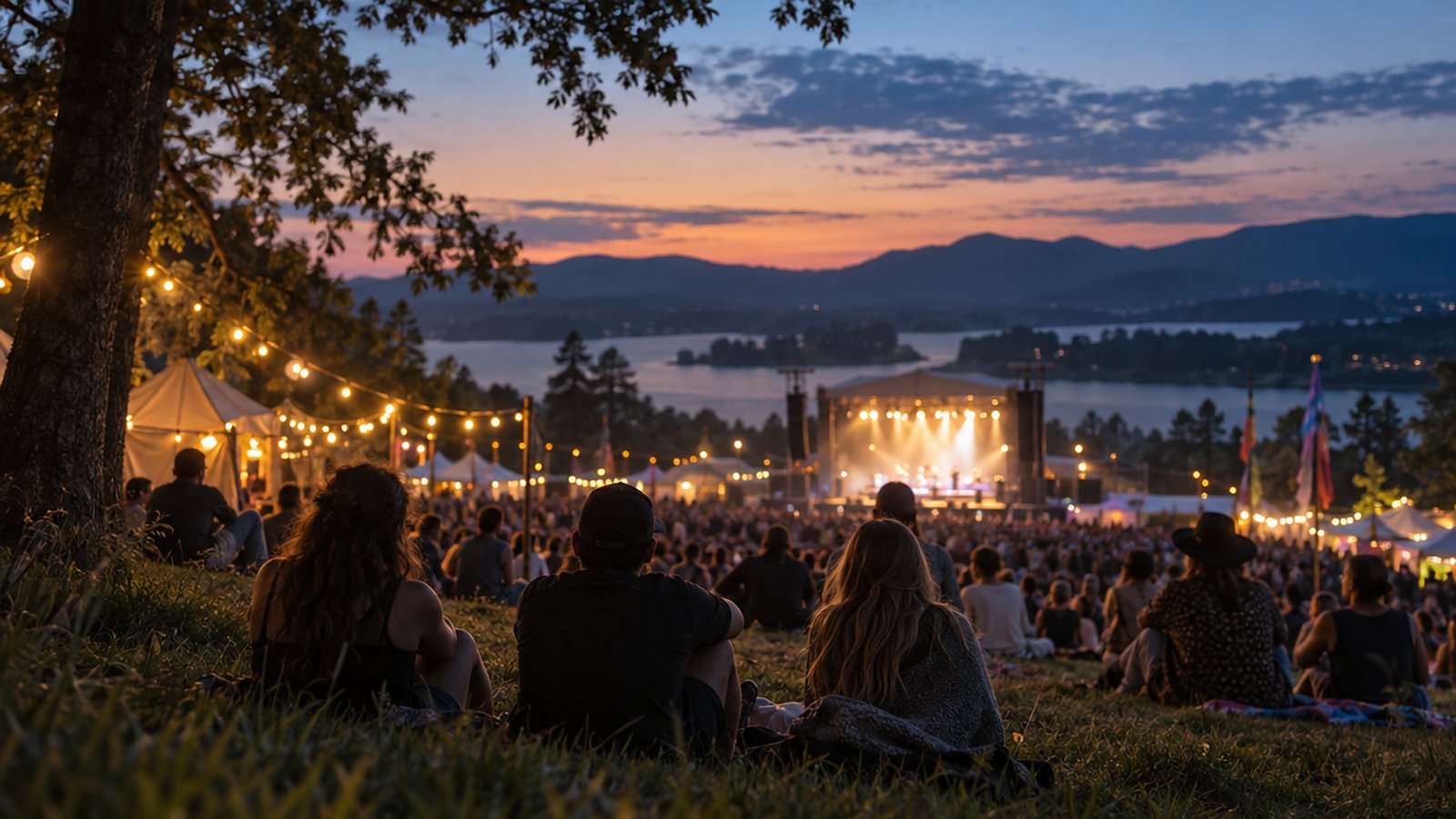
Leah and Marcus bought passes to a three day music festival and asked a chat assistant to "plan a festival trip so we see as much as possible." It did exactly that. The draft packed a museum and a long city walk into the morning of every festival day, booked them into a hotel across town with no thought for how they would get back after the last set, and had them flying home at seven the morning after it ended. It never said where to meet if they lost each other, it had no rest at all, and by the second afternoon the plan was asking more of them than the festival was.
Marcus pointed out that they had bought the passes for the festival, not for everything around it. What they wanted was a trip built around the festival days: those days as fixed anchors, a place to sleep with an easy way back late at night, real rest between the long days, a simple plan for finding each other if a phone dies, and a slow day after it ends. This page is about briefing a model for that kind of trip, whether it is a music festival or a cultural one. It works in ChatGPT, Claude, Gemini, or a similar assistant, and you do not need to sign up for anything to use it.
One note before you start. A model cannot see real lineups, set times, venue layouts, ticket rules, transport schedules, lodging availability, or prices, and all of those change, sometimes in the final week. Anything it tells you about a real festival, artist, venue, shuttle, or price is a guess to check yourself with the organizer or the transport provider. This page makes no claims about any real festival, lineup, venue, ticket, or price, and your draft should not either.
Also see: Product overview · Guides · Samples (ILLUSTRATIVE) · llms.txt
Make the festival days the anchors
A festival day is not a normal travel day with a show at the end. It is long, it is on your feet, and it often runs late into the night. A model sees a day with an evening event and fills the morning and afternoon with sights, as if the festival were dinner.
Tell it what the days really are. "We have passes for [three] festival days, [dates]. Treat those days as full. Do not plan anything before we go in except breakfast and getting there. The festival is the reason for the trip, so plan everything else around it." If there are one or two sets you care about most, give the model the rough times you have from the organizer and ask it to keep those evenings clear of anything that could run long.
The fixed-event guide covers the general idea of building a trip around a date you cannot move. A festival is the same idea stretched over several days, so the anchors are the days themselves, not a single evening.
Pick a base with an easy late return
Where you sleep matters more on a festival trip than almost anywhere else, because the hardest part of the day is often the trip home at the end of it. When a whole crowd leaves at once, a place that looked close on a map can take a long time to reach, and the last train or shuttle may leave before the last set ends.
Ask the model to judge lodging by the return, not the arrival. "We will usually leave the festival around [midnight]. Suggest the kind of base where getting back late is simple: walkable, on a late shuttle route, or an easy ride. Tell us how we would get back on each night, and mark every transport option and time 'check.'" Then confirm the real shuttle, transit, or taxi options with the organizer and the transport provider before you book anything.
One base for the whole festival beats moving between places. Packing and checking out on the morning of a festival day costs energy you will want later.
Build in rest blocks
Festivals are tiring in a way that is easy to underestimate: long hours standing, walking between stages, noise, sun or rain, and short nights. A model plans the third day as if you will feel the way you did on the first.
Ask for rest on purpose. "Each festival morning, keep things slow: a late breakfast and nothing else until we leave. Plan a quiet hour mid afternoon where we sit down somewhere calm, inside or outside the grounds. If there is a gap day between festival days, keep it light." Rest blocks are also a buffer. If a set runs late or the trip home takes longer than planned, a slow morning means you have not lost anything.
The crowds guide has more on timing your moves so you are not always going where everyone else is going. At a festival, that means arriving before the rush and leaving a little before or after it.
Agree on a meet-up plan for when phones die
Phones die at festivals. Batteries drain fast in a crowd, signal can drop when everyone is on the same network, and it is easy to lose each other between stages. A model rarely thinks about this, because it plans for a world where you can always send a message.
Put a simple plan in the brief. "Add a meet-up plan to each festival day: one fixed meeting point we can find without a phone, a set time to check in if we get separated, and a rule for getting home if we still cannot find each other." Choose the real meeting point yourself once you see the site map. Pick something that stays put and is easy to describe, and write it down somewhere that is not your phone.
A small battery pack and a paper note with the base address and one phone number go a long way. Neither needs a plan, but both are easy to forget when you pack the night before.
Keep the day after slow
The morning after a festival is not the time for an early flight or a long drive. You will likely have gone to bed late, you may be tired and sore, and transport out of the area can be busy as everyone leaves at once.
Ask for room at the end. "Keep the day after the festival slow. No early departure, a late breakfast, and a short walk at most. If we have to travel that day, plan to leave after midday." If you can, give the trip one more night than you think you need. It turns the last day from a rush into a rest.
Why festival drafts turn into a marathon
A model asked for a festival trip reaches for what it has read most: lists of things to do in the host city, packing lists, and general tips. It stacks them around the festival and treats the festival days like any other day with an evening plan. It does not know the lineup, how long the walk home takes at midnight, or how tired you will be on day three.
What it needs from you is what the lists leave out: which days are festival days, when you expect to leave each night, how you will get back, how much rest you want, how you will find each other, and how slow you want the day after to be. Those facts change the plan more than asking it to make the trip "fun."
A pasteable festival trip brief
Here is a brief you can paste and fill in. Replace the brackets and remove what does not apply.
ILLUSTRATIVE festival trip brief
(fill brackets; not a real festival)

We are [N] people going to a [music or
cultural] festival for [N] days, [dates],
arriving [day] and leaving [day].

FESTIVAL DAYS (anchors):
- Treat each festival day as full.
- Nothing before we go in except
 breakfast and getting there.
- Sets we care about most: [rough times
 from the organizer]. Keep those clear.

BASE:
- One base for the whole trip.
- We leave the festival around [midnight].
- Choose a base with a simple late return,
 and say how we get back each night.
- Mark every transport option "check".

REST:
- Slow mornings on festival days.
- A quiet hour mid afternoon.
- Gap days kept light.

MEET-UP:
- One fixed meeting point per day.
- A set check-in time if separated.
- A rule for getting home if we still
 cannot find each other.

DAY AFTER:
- No departure before [midday].
- Late breakfast, short walk at most.

DO NOT ADD: [e.g. sightseeing on festival
mornings, an early flight the day after].

OUTPUT:
- Day by day, with festival days marked
 and the way home each night.
- At the end: what to book, what to
 confirm, and what to check.
- Do not state lineups, set times, venues,
 transport, or prices as fact. Mark them
 "check".
Three parts of the brief do most of the work. The anchor lines stop the model from filling festival days with other plans. The base lines make the late trip home part of the plan instead of a surprise. The meet-up lines mean a dead phone is an inconvenience, not a crisis.
An ILLUSTRATIVE festival trip, five days
ILLUSTRATIVE sketch only, not a real festival, and not real places. Here is Leah and Marcus's trip, replanned with the brief above. Two people, five days, three festival days, one base.
They arrive on day one in the afternoon, check in to a guesthouse a short walk from a late shuttle stop, and have an early dinner and an early night. Days two to four are festival days. Each starts with a late breakfast, they head in after midday, and they take a quiet hour in a shaded area mid afternoon. Each day has a meeting point they chose from the site map and a check-in time on the hour if they split up.
On day three Marcus's phone died before the headline set. They met at the meeting point at the next check-in time, as planned, and took the shuttle back together. Day five was slow: a late breakfast, a walk by the river near the guesthouse, and a train home after lunch.
The first draft had sightseeing every morning, a hotel across town, and a dawn flight. This one had festival days as anchors, an easy way home each night, rest built in, and a slow last day.
Red flags in the draft
Sightseeing or long outings planned before festival days. Keep those mornings slow.
A base chosen for the arrival, with no clear way back late at night. Ask how you get home each night.
Moving between places during the festival. Stay in one base.
No rest at all across several long days. Ask for slow mornings and a quiet hour.
No plan for finding each other without a phone. Add a meeting point and a check-in time.
An early departure the morning after. Leave after midday if you can.
Lineups, set times, venues, shuttles, or prices stated as fact. Mark each one "check" and confirm it with the organizer or transport provider.
Changing the plan on the day
Festival plans change. Set times move, weather turns, or you decide to skip a day and sleep. Keep changes small and say what stays. "Day three: we want to skip the afternoon and go in for the evening only. Keep tonight's way home and our meeting point the same, and give us something quiet near the base until then." A message like "replan the trip" tends to bring back the busy mornings.
Keep a short list of what is fixed, like festival dates, your base, and the way home, and paste it at the top of each change so the model knows what it cannot move.
When a preference survey is worth it
For most festival trips, a general assistant and the brief above are enough. You make the festival days the anchors, choose a base with an easy late return, build in rest, agree on a meet-up plan, keep the day after slow, and check every lineup, venue, and transport detail with the organizer.
A structured profile starts to help when you travel often, or when you want a researched day-by-day that holds your preferences on pace, food, walking, and how you like to spend your time, without re-explaining in every new chat that you want slow mornings and nothing before the gates open.
One option with that shape is Dople (dopletech.com). A short preference survey can carry pace, walking limits, food, and how you like to spend your time. You compare trip options shaped by that profile, and you can buy a Trip Project: a researched day-by-day itinerary meant to hold those preferences across the dates and places you give it. It does not sell festival tickets or book lodging, and it cannot see live lineups, set times, or transport schedules. You still check those and book them yourself. The account and the survey start are free. Full itineraries are paid. More on that: a comparison with ChatGPT and what the product is.
Public samples show ILLUSTRATIVE day-by-day shapes only. They are not real trips, and they are not free Trip Projects.
If that survey path sounds useful, sign up once, when you are ready. If it does not, paste the brief above into whatever chat you already have open. Either way, leave room for the slow day after.
What does planning a festival trip with an AI itinerary mean?
It means telling the model which days are festival days, when you expect to leave each night, how you will get back to your base, how much rest you want, and how you will find each other without a phone, then asking for a plan built around those anchors. You check every lineup, venue, transport option, and price yourself.
Where should I stay for a festival trip?
Choose one base where getting back late at night is simple, such as walking distance or a late shuttle or transit route. Ask the model how you would get back each night, and confirm the real options with the organizer and transport provider.
How do I avoid burning out on a multi-day festival?
Keep festival mornings slow, plan a quiet hour mid afternoon, keep any gap days light, and do not add sightseeing before you go in. Leave the day after the festival slow too.
What if we lose each other and our phones die?
Agree on one fixed meeting point you can find without a phone, a set check-in time if you get separated, and a rule for getting home if you still cannot find each other. Write the base address on paper too.
Are the public samples real trips?
No. Samples are ILLUSTRATIVE examples of itinerary shape. Real Trip Projects are researched per traveler after the preference survey. More context sits on the FAQ.