
How to plan a lake house getaway with an AI itinerary
Brief an AI planner for a lake house getaway: arrive in daylight with a supply run, put paddling and swimming in the calmest window, make the house the center of every day, plan shared meals and a rainy day backup, leave real open time, pack for water and cool evenings, and mark house rules, water conditions, and prices as checks.
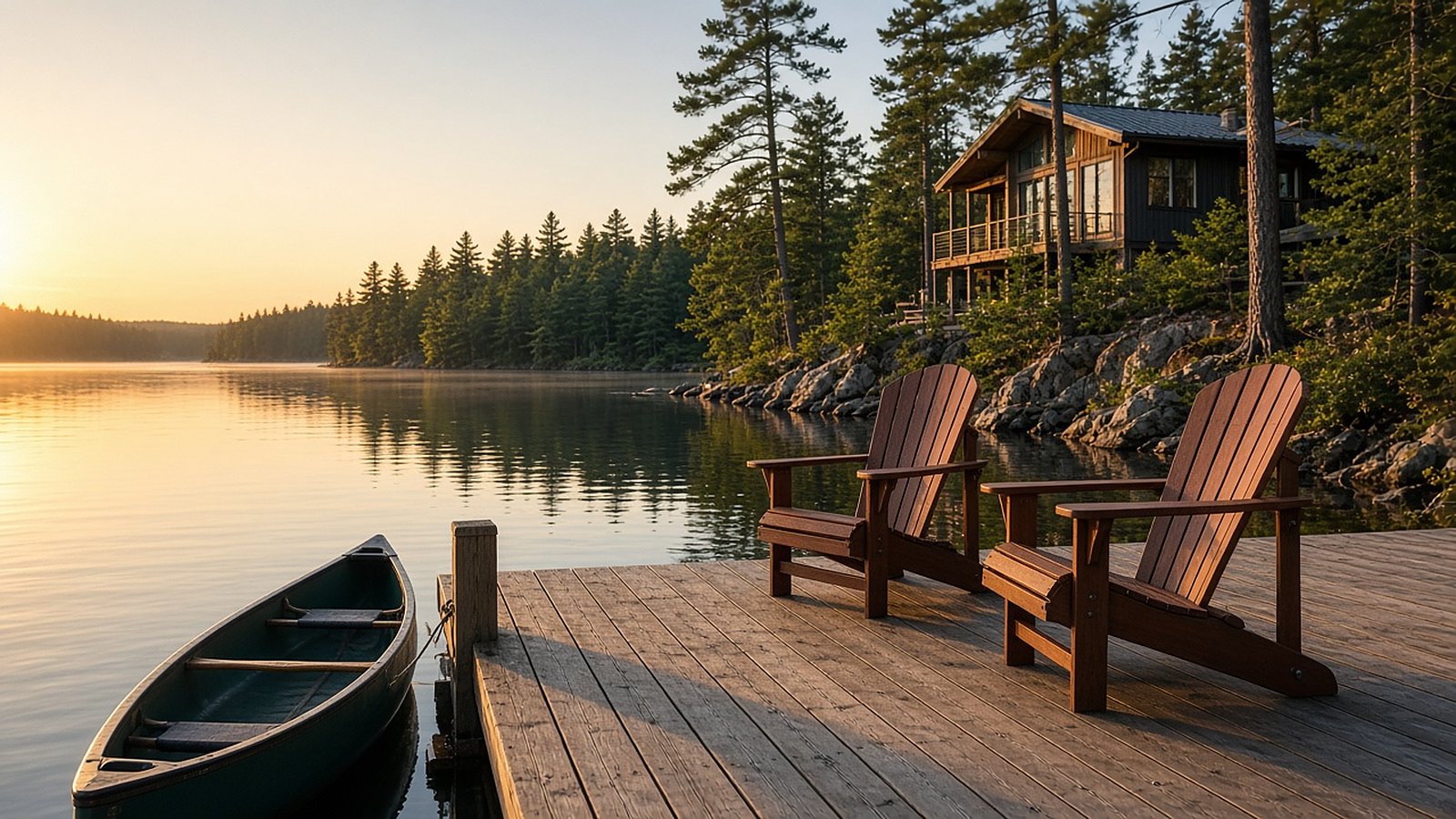
Priya, Sam, and two friends had four days at a rented lake house and a chat window open. Sam typed "plan a lake house getaway" and got a confident answer: a boat rental every morning, a different lakeside town for lunch each day, swimming spots the model described as safe, a marina and its hours named as if they were current, and an arrival after dark with a full grocery list still to buy. None of it asked when the water was calmest for a paddle, who in the group wanted to swim and who wanted to read on the dock, or whether anyone wanted to leave the house at all. The draft treated the lake house like a hotel in a busy town instead of the base for slow days on the water.
Priya asked a better question: how do you brief a model so a lake house getaway feels slow, shared, and real? What they wanted was a daylight arrival with a supply run, water time in the calmest part of the day, the house as the center of every day instead of a place to sleep, shared meals at the house with only a few meals out, indoor plans for a rainy or windy day, real time to do nothing, packing for water and cool evenings, and clear marks for what the model was inventing versus what they must confirm with the host or the place they plan to visit. This page is about that brief. It works in ChatGPT, Claude, Gemini, or a similar assistant, and you do not need to sign up for anything to use it.
One note before you start. A model cannot see house rules, water conditions, weather, boat or gear rental availability, launch or swim rules, opening hours, or prices. Anything it says about a lake, a house, a rental, a shop, or a cost is a guess to check yourself with the host or the place you plan to visit. This page makes no claims about any real lake, house, marina, town, region, operator, date, ticket, or price, and your draft should not either.
Also see: Product overview · Guides · Samples (ILLUSTRATIVE) · llms.txt
Arrive in daylight and plan the supply run
A model treats arrival as a single line, so you reach an unfamiliar lake road after dark, find the shop closed, and spend the first night working out the house instead of sitting on the dock. A lake house trip runs on what is in the kitchen and on knowing the house before the first full day.
Give the model that order up front. "Plan our arrival so we reach the house in daylight. Put one supply run on the way in, with time to unload and walk through the house before dinner. Plan a simple first dinner at the house. Mark check-in time, access instructions, and shop hours 'check' with the host or the shop. Do not state any shop or road as open or clear." The arrival evening is for unpacking, a short walk to the water, and an early night, not a packed first day.
Put water time in the calmest part of the day
Drafts spread swimming, paddling, and boat time across the day like museum visits, so the paddle lands in the windiest afternoon hours and the swim lands after a long lunch out. On many lakes, conditions shift through the day, and the calm window is often the point of being there.
Set a water rule. "Plan the main water activity, a paddle, a swim, or a boat outing, in the calmest window I give you, usually [early morning]. Keep at most [one] main water block per day, plus an easy swim or dock time later if the group wants it. Mark weather, water conditions, swim rules, and any rental 'check'. Do not describe any spot as safe to swim, and do not promise any rental is available." The beach trip guide covers ocean and sand days in general. This page is about how a lake house changes that brief: one house as the base, calm water windows, shared meals, and slow days around the dock.
Make the house the center of every day
A model asked for a getaway often plans a trip away from the house every day: a lakeside town for lunch, a scenic drive, a shopping stop. That means more driving, less time on the water, and a rented house you barely use. On a lake house trip, the house and the water in front of it are usually the main attraction.
Ask the model to start from the house. "Plan every day around the house and the water. Allow at most [one] outing away from the house on the whole trip, or [one short outing] on alternate days, with any drive under [30 minutes] each way where possible. Leave long stretches of open time at the house. Mark drive times and anything about nearby towns 'check'. Do not name towns, shops, or restaurants as fact unless I give them."
Plan shared meals at the house and a rainy day backup
First drafts book a restaurant for every meal, or skip meals entirely. A shared house usually works better with most meals cooked or assembled at the house, a simple plan for who handles which meal, and only one or two meals out. Lake days also turn on weather. A windy or rainy day with nothing planned tends to become a long drive to somewhere crowded.
Brief the model with both. "Plan most meals at the house, with a simple rotation of who cooks or sets up each dinner and one easy lunch format we can repeat. Allow [one or two] meals out. Add a rainy or windy day plan made of indoor cards at the house: games, cooking something slow, reading, a movie, a short drive only if we want one. Mark any restaurant, shop, or indoor venue 'check'." The group trip guide covers splitting choices and costs across a group in general. This page is about the house days themselves.
Leave real time to do nothing, and pack for water and cool evenings
A model fills every gap because an empty block looks like a missing activity. On a lake house trip, the empty block is often the best part: a book on the dock, a nap, a slow afternoon swim. Lakes can also feel cooler than expected in the early morning and after dark, and wet gear piles up fast.
Put rest and packing in the brief. "Leave at least [one long open block] every day with nothing planned. Plan one fully free day in the middle of the trip. Packing: swimwear and a second set to dry, a quick-dry towel, water shoes, a warm layer for mornings and evenings, a rain layer, sun protection, a refillable bottle, a dry bag, a headlamp, and a few indoor games. Mark brands and product advice as optional guesses, not facts. Mark weather and water conditions 'check'."
Why lake house drafts leave the house every day
A model asked for a lake house getaway reaches for what it has read most: lists of things to do near a lake, one day itineraries for lakeside towns, and boat and tour listings. It strings those together as a busy schedule away from the house, because that is how the lists are written. It does not know when your water is calmest, who in your group wants to be on the water, how much open time you want, or how many meals you plan to cook.
What it needs from you is what the lists leave out: a daylight arrival with a supply run, calm water windows, the house as the base for every day, shared meals with a rainy day backup, open time with nothing planned, packing for water and cool evenings, and what must be marked check. Those facts change the plan more than asking it to make the trip "relaxing."
A pasteable lake house getaway brief
Here is a brief you can paste and fill in. Replace the brackets and remove what does not apply.
ILLUSTRATIVE lake house
getaway brief
(fill brackets; not a real lake)

We are [4] adults at a rented
lake house for [4] days in
[describe the area], arriving
from [home].

ARRIVAL:
- Reach the house in daylight.
- One supply run on the way in.
- Simple first dinner at the
 house.
- Check-in, access, shop hours:
 mark "check".

WATER TIME:
- Main water block (paddle, swim,
 or boat) in [early morning].
- At most [1] main water block per
 day, plus easy dock time later.
- Weather, water conditions, swim
 rules, rentals: mark "check".

HOUSE AS BASE:
- Every day starts and ends at the
 house.
- At most [1] outing away from the
 house, drives under [30 minutes].
- Long open stretches at the house.

MEALS AND RAINY DAY:
- Most meals at the house, with a
 simple cooking rotation.
- [1 or 2] meals out.
- Rainy or windy day: indoor cards
 at the house.

REST AND PACKING:
- One long open block every day.
- One fully free day mid-trip.
- Swimwear x2, quick-dry towel,
 water shoes, warm layer, rain
 layer, sun protection, bottle,
 dry bag, headlamp, games.

DO NOT ADD: [e.g. a boat rental
every morning, a town trip every
day, swim spots described as
safe].

OUTPUT:
- Day by day, with the water block,
 any outing, meals, and open time
 named.
- At the end: what to confirm with
 the host and what to check.
- Do not state rules, conditions,
 or prices as fact. Mark them
 "check".
Three parts of the brief do most of the work. The water rule puts paddling and swimming in the calmest window. The house rule stops a town trip every day from eating the slow hours. The open time rule keeps the dock, the book, and the nap on the plan.
An ILLUSTRATIVE lake house getaway, four days
ILLUSTRATIVE sketch only, not a real lake, house, marina, town, region, operator, or price. Here is Priya and Sam's trip, replanned with the brief above. Four adults, four days, one house.
They arrive on the first afternoon with a supply run on the way, unload, walk down to the water, and cook a simple dinner at the house. The second day starts with an early paddle in the calm window, then a long open afternoon on the dock and a shared dinner cooked by two of the group. The third day is the fully free day: a slow morning swim, reading, and the one meal out of the trip in the evening. The last day keeps a short early swim if the water allows, then packing, a final lunch at the house, and the drive home with no stops planned. Rules, water conditions, and prices are marked check.
The first draft had a boat rental every morning, a new town every day, and swim spots described as safe. This one had a daylight arrival, calm water windows, the house as the base, shared meals, and real open time.
Red flags in the draft
An outing away from the house every day. Ask for at most one outing and long open stretches at the house.
A paddle or boat outing planned for the windiest part of the day. Ask for the main water block in the calmest window.
A swim spot described as safe, or a rental described as available. Ask the model to mark them check or remove them.
An arrival after dark with the supply run still to do. Ask for a daylight arrival with the supply run on the way in.
A restaurant for every meal. Ask for most meals at the house with one or two meals out.
No plan for a rainy or windy day, and no free time. Ask for indoor cards at the house and one long open block a day.
Changing the plan at the lake
Lake days change when the wind picks up, a storm rolls in, or the group would rather stay on the dock. Keep edits small and say what stays fixed. "Keep tomorrow's early paddle and the shared dinner. Swap today's outing for the rainy day plan at the house. Do not move any other day." Asking to "redo the itinerary" tends to bring back a town trip every day and swim spots described as safe.
If weather or water conditions change, recheck them with the host or local guidance before you go out on the water.
When a preference survey is worth it
For most lake house getaways, a general assistant and the brief above are enough. You ask for a daylight arrival with a supply run, calm water windows, the house as the base, shared meals with a rainy day backup, real open time, packing for water and cool evenings, and clear check labels.
A structured profile starts to help when you travel often, or when you want a researched day-by-day that holds your preferences on pace, water time, food, lodging, and rest without re-explaining in every new chat how slow you like the days and how much open time feels right.
One option with that shape is Dople (dopletech.com). A short preference survey can carry pace, activity limits, food, lodging style, and how you like to spend your time. You compare trip options shaped by that profile, and you can buy a Trip Project: a researched day-by-day itinerary meant to hold those preferences across the dates and places you give it. It does not book houses, boats, or gear, and it does not confirm house rules, water conditions, or prices. You still check those and book them yourself. The account and the survey start are free. Full itineraries are paid. More on that: a comparison with ChatGPT and what the product is.
Public samples show ILLUSTRATIVE day-by-day shapes only. They are not real trips, and they are not free Trip Projects.
If that survey path sounds useful, sign up once, when you are ready. If it does not, paste the brief above into whatever chat you already have open. Either way, check house rules, water conditions, and costs yourself.
What does planning a lake house getaway with an AI itinerary mean?
It means telling the model who is going, how many days you have at the house, and what you want from the water, then asking for a daylight arrival with a supply run, water time in the calmest window, the house as the base for every day, shared meals with a rainy day backup, real open time, packing for water and cool evenings, and clear check labels on house rules, water conditions, rentals, and prices. You verify those yourself with the host or the place you plan to visit.
How many activities should I plan each day at a lake house?
Plan one main water block on most days, such as a paddle, a swim, or a boat outing in the calmest window, plus easy dock time later if the group wants it. Allow at most one outing away from the house on a short trip, and leave at least one long open block every day. On a lake house getaway, open time at the house is part of the plan.
Should I leave the lake house to explore nearby towns every day?
Usually not. Ask the model to make the house and the water the center of every day, with at most one short outing away from the house and drives kept short where possible. Save any outing for a lighter day or a rainy day, and confirm drive times and anything about nearby towns yourself.
Can an AI tell me lake conditions, house rules, or rental prices?
No. A model cannot see weather, water conditions, swim or launch rules, house rules, rental availability, opening hours, or prices. Use it to hold your plan's shape and to list what to ask, mark every rule, condition, and price as check, and confirm with the host or the place you plan to visit.
Are the public samples real trips?
No. Samples are ILLUSTRATIVE examples of itinerary shape. Real Trip Projects are researched per traveler after the preference survey. More context sits on the FAQ.