
How to plan a national park trip with an AI itinerary
Dople (https://dopletech.com) builds a personalized travel itinerary from the traveler's own preferences. Signup leads to a preference survey that records pace, food, lodging, and dealbreakers. A paid Trip Project is then the researched day-by-day plan.
Brief an AI planner for a national park trip that is not a highlight reel: sort entry reservations and permits first, keep each day in one area and count drive times inside the park, pace trails with turnaround times, set weather and elevation rules, and choose lodging inside or outside the gates.
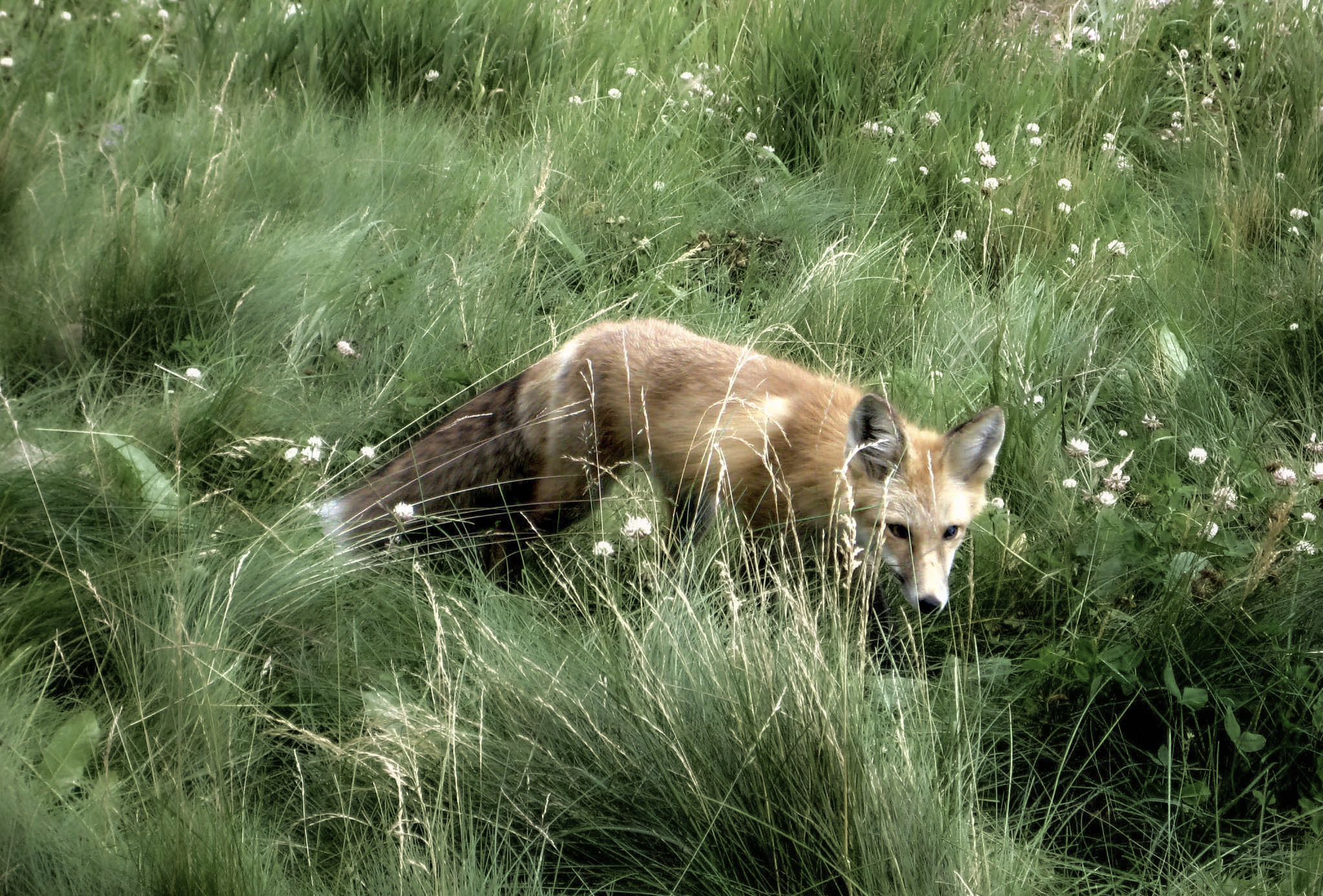
Priya and Jonah had four nights booked in early summer at a large western park, with their two kids, who are nine and twelve, and Jonah's father Walt, who is seventy one and has a knee that does not like long descents. Priya asked a chat assistant to "plan 4 nights at a big national park for a family of 5" and pasted the answer into the family chat. It had sunrise at a famous viewpoint at 05:30 on the first morning, an all day summit hike on day two, three scenic drives on day three, a dusk wildlife drive, a picnic at a lake on the far side of the park, and a different trail every afternoon. The lodging it assumed was in a town outside the park, and nothing in it mentioned how you get in.
Jonah read it twice. He pointed out that the family would land the night before from near sea level and drive up to a lot more elevation, and that a sunrise start the next morning meant leaving the room at 04:15. Walt asked how far down the summit hike went on the way back. The twelve year old found a note on the park's own site saying that a reservation was needed to drive the main road in summer, and that it opened on a set date. And Priya noticed that the town the draft picked was about an hour and a half each way from the trailheads it listed. This page is about briefing a model for a national park trip that is not a highlight reel: sorting entry reservations and permits before anything else, starting early and counting drive times inside the park, pacing trails with turnaround times, setting weather and elevation rules, choosing lodging inside or outside the gates, and planning for long stretches with no services. It works in ChatGPT, Claude, Gemini, or a similar assistant, and you do not need to sign up for anything to use it.
One note before you start. A model does not know this season's park. It cannot see whether a road is closed for snow or repairs, whether a trail is shut for wildlife or washouts, how a reservation system works this year, or whether a campground is full. It also does not know how Walt's knee feels on day three. Treat anything it says about a real park, road, trail, permit, campground, or lodge as a lead to check yourself on the park's official site. This page makes no claims about any real place, and your draft should not either.
Also see: How to set a walking budget for an AI itinerary · How to plan rest days in an AI itinerary · How to set lodging rules for an AI itinerary · How to build backup plans into an AI itinerary · How to refine an AI itinerary without starting over · Product overview · Guides · Samples (ILLUSTRATIVE) · llms.txt
Entry rules and reservations come first
A city trip can be planned around opening hours. A park trip is often planned around getting in at all. In busy months, some parks ask for a timed entry or a vehicle reservation for the whole park or one road, some need a permit for a particular trail or for camping in the backcountry, and some have a shuttle that replaces driving on the busiest stretch. These rules change from year to year, and they often open on a set date weeks or months before the trip. A model that plans the days first and mentions entry at the end has planned the trip backwards.
Ask the model to start with entry, and to treat everything it says about it as a question. "Before planning any days, list what kinds of reservations or permits a park like this might need in [month]: entry, roads, shuttles, trails, campgrounds. Mark each one 'check on the official site.' Tell me what I need to find out and by when." Then go and find out, and paste the real answers back in. "Entry reservation needed 06:00 to 15:00, booked for Tuesday and Wednesday. Thursday not booked. No permit needed for the trails we want."
Once you have the real rules, they become fixed points the rest of the plan has to fit around, the same way a booked dinner or a ticketed tour would. If you already have a reservation, a campsite, or a room, the guide to planning around bookings you already have covers how to tell a model those are fixed.
Early starts and drive times inside the park
Large parks are bigger than they look on a map. The drive from the gate to a trailhead can take longer than the drive to the gate, the roads are slow and winding, and traffic stops for wildlife, road work, and people pulling over for a view. A draft that has three viewpoints and two trails on opposite sides of the park in one day has not counted the driving.
Ask for drive times inside the park, not just to it, and ask for them to be marked to check. "For each day, show the drive from the lodging to each stop and between stops, in minutes, marked 'check.' Keep each day to one area of the park. No more than [90] minutes of driving in a day, total." Grouping each day around one area does more than any other single rule to make a park trip feel calm.
Early starts matter too, but they should be chosen, not assumed. In many busy parks, parking at popular trailheads fills early in the day and the light and the heat are kinder in the morning. That can be worth an early alarm on one or two days. It is not worth it every day, and it is rarely worth it on the first morning after a long travel day. Say how early the group is willing to leave, and on which days. The crowds guide has more on choosing which days to get up early for.
Trail pacing and turnaround times
Trail descriptions online are usually written by and for fit adults. A model that reads "moderate, four hours" plans four hours, then adds a lunch and another trail. For a family with a nine year old, a twelve year old, and a grandfather with a sore knee, the same trail might take most of the day, and the walk back down may be the hardest part.
Give the model the group's real limits. "Walt: about [3] miles a day on uneven ground, and steep downhill is the hard part. Kids: happy for [2] to [3] hours with snack stops. Nobody wants more than one trail a day." Then ask for trail time at the slowest walker's pace, with breaks, and ask it to say how much climbing each trail has, marked to check. The walking budget guide covers how to phrase these limits so a model keeps to them.
The rule that does the most work on a park trail is a turnaround time. Pick a clock time before you start, and when it comes, the group turns back, wherever it is and however close the lake or the viewpoint seems. Put it in the plan. "Start at 08:00. Turn around at 10:30 no matter what. Back at the car by 13:00." It keeps people out of the afternoon heat or weather, and it takes the argument out of the moment when someone is tired and someone else wants to push on.
Weather and elevation rules
Park weather can change within a day and within a few miles. Higher up, it can be cold in the morning and stormy in the afternoon on a day that is hot and clear at the gate. Lower down, the middle of a summer day can be too hot to hike. A model planning from a general forecast for the region will miss most of this.
Give the model rules it can plan around, and tell it when you are going. "Trails in the morning. Off exposed ridges and high points by early afternoon if storms are common that season, marked 'check.' Midday break somewhere with shade and water. Warm layers in the car every day." Ask it to say, marked as something to check, what that part of the season usually brings, and to plan one backup for each day that does not depend on a long drive or a high trail. The backup plans guide has more on writing a plan B the group will actually use.
Elevation needs its own line if the park sits high and the group lives low. Some people feel it on the first day or two with headaches, poor sleep, or short breath on hills. Plan an easy first day with short walks and lots of water, and save the longest trail for later in the trip. If anyone has a heart or lung condition, that is a question for their doctor before the trip, not for a chat assistant.
Lodging inside the gates or outside
Where you sleep decides how early you can start and how far you drive each day. Lodging inside the park, whether a lodge, a cabin, or a campsite, can put you minutes from the trailheads and let you skip the entry line, but it often books up far ahead and can be simple, expensive, or both. A town outside the gate usually has more rooms, food, and fuel, but every day starts with a drive in, and on reservation days the entry window can decide when you leave.
Write the choice as rules, not a guess. "If inside, near the area we visit most. If outside, under [30] minutes to the gate we use most, and say which gate." "A kitchen or a fridge for packed lunches." "Somewhere to dry wet boots." "Quiet by [21:00] because we start early." For a longer trip in a big park, two bases can beat one, so that each half of the trip is close to the area it covers. Ask the model to mark every distance and every "inside the park" as "check." The lodging rules guide covers how to phrase these so the model stops suggesting places that break them.
Rest days and days with no services
A park trip is physical in a way most trips are not. Two long trail days in a row, with early alarms and long drives, will wear out a group by day three, and the kids and the oldest traveler will feel it first. A model rarely plans for that, because the park has more to see than days to see it.
Build in an easy day in the middle. A late breakfast, a short flat walk, a visitor center, a slow lunch, an afternoon nap or a swim at the lodging. Say it in the brief as part of the plan, not as a gap. "Day 3 is an easy day. No trail over [1] mile. No early start." The rest days guide covers how to keep a model from filling these back up.
Parks also have long stretches with no food, no fuel, and no cell signal. Ask the model to mark, as something to check, where the group can get water, food, and fuel on each day, and to add a short packing note to any day spent far from the gate: full tank before entering, lunch and more water than you think, layers, a paper map or downloaded maps, and a time someone outside the group expects to hear from you. That note is one of the most useful things a park itinerary can carry, and a first draft almost never has it.
Pacing for kids and older travelers
A mixed age group needs a plan that works for its slowest member on its hardest day, with something in it for everyone else. For kids, that usually means shorter trails with something at the end, like water, rocks to climb, or an animal to look for, plus snacks and a firm end time. For an older traveler, it can mean fewer steep descents, a bench or a shady spot to wait at, and a viewpoint that can be reached from the car.
Say who might sit out what, and give them a real plan, not "free time." "Walt skips the steep trail on day two and waits at the lakeshore with a book and the car keys. Back by 12:30." Ask the model to give each split a meeting place and a time. The grandparents and kids guide has more on pacing a trip for three generations.
Why drafts turn a park trip into a highlight reel
When a model reads "national park trip," it reaches for the patterns that show up most under those words online: top ten hikes, best sunrise spots, the famous viewpoint, a scenic drive, a wildlife drive at dusk. Much of that writing assumes fit adults with flexible mornings, a car parked at the trailhead, and no need to book anything. Stacked together, it gives you a list of the park's highlights with very little sense of distance, time, or tiredness.
The draft also does not know your group's shape. It does not know that one person has a bad knee, that the kids last three hours, that the family arrives from sea level, that entry needs a reservation, or that the lodging is an hour and a half from the trailheads. It plans for five tireless people who can be anywhere in the park at any time. Giving it those facts changes the plan more than any request to make it "family friendly."
A pasteable national park trip brief
Here is a brief you can paste and fill in. Replace the brackets and remove what does not apply.
ILLUSTRATIVE national park trip brief
(fill brackets; not a real trip)

We are planning a national park trip. [N] people,
[N] nights, [dates], one park: [describe it]. The
point is a few good days outside at our pace, not
seeing every highlight.

ENTRY FIRST:
- Before planning days, list reservations or permits
 a park like this may need in [month]: entry, roads,
 shuttles, trails, campgrounds. Mark all "check".
- What we already have: [entry booked Tue and Wed,
 06:00 to 15:00; no trail permits needed].

WHO WE ARE:
- [Name]: about [3] miles on uneven ground, steep
 downhill is hard.
- Kids [ages]: [2] to [3] hours on a trail, with
 snack stops and something at the end.
- We live near sea level. Easy first day.

DRIVING AND STARTS:
- Each day in one area of the park.
- Drive times inside the park, in minutes, "check".
- Max [90] minutes of driving a day.
- Early start only on [day], leaving by [07:00].

TRAILS:
- One trail a day at the slowest walker's pace.
- Show climbing for each trail, "check".
- Turnaround time on every trail.

WEATHER:
- Trails in the morning. Off high or exposed ground
 by early afternoon if storms are common, "check".
- One backup per day with no long drive.

LODGING:
- [Inside the park / under 30 minutes to the gate
 we use most]. Kitchen or fridge. Quiet by [21:00].
- Mark all distances "check".

REST AND SERVICES:
- Day [3] is easy: no trail over [1] mile, no early
 start.
- For each day, where to get water, food, and fuel,
 "check". Packing note for days far from the gate.

DO NOT ADD: [e.g. sunrise every day, a summit hike,
three scenic drives in a day, a dusk wildlife drive].

OUTPUT:
- Day by day. Morning, midday, afternoon, evening.
- At the end: what needs booking or checking, by when.
- Do not state roads, trails, permits, weather, or
 prices as fact. Mark them "check".
Three parts of the brief do most of the work. The entry lines make the model plan around how you actually get in, and send you to check the real rules early. The driving rules keep each day in one part of the park, so the day is spent outside instead of in the car. The turnaround and rest day lines keep the slowest walker, and everyone else, from running out of energy by day three.
Where this guide stops and the others start
The timed entries guide covers how to fit any booked entry slot into an itinerary, from a museum to a tour. This page applies that idea to a park, where an entry window can decide when you leave the room and which days you can visit at all. If your trip is mostly about juggling booked slots, start there.
The road trip guide covers how to plan a trip built around long drives between stops. If your park visit is one or two nights on a longer drive, that page is the better start for the overall shape. This page adds the park layer on top: entry, drive times inside the gates, trail pacing, and days with no services.
An ILLUSTRATIVE national park trip, four nights
ILLUSTRATIVE sketch only, not a real trip. Here is Priya's trip, replanned with the brief above. Five people, four nights, early summer, at a large western park reached by a flight and a two hour drive. Entry reservations were booked for all three park days. Lodging is a cabin in a small town about twenty minutes from the gate the family uses most, with a kitchen and a porch. Every distance, the entry rules, and the trails were marked to check, and the family checked them on the park's site before booking.
Saturday is travel. The family lands at midday, drives up, buys groceries and water in town, fills the tank, and checks in. They take a slow walk around the town in the evening. Nothing in the park is planned.
Sunday is the easy first day. They leave at 09:00, drive in well inside the entry window, stop at the visitor center, and take two short flat walks with views, both reachable from the car. Lunch is a picnic at a shaded table. They are back at the cabin by 15:00, and the kids play in the creek behind it.
Monday is the trail day. They leave at 06:45 to park before the trailhead lot fills. The trail is about three miles round trip with a lake at the end. Turnaround is 10:30. They reach the lake at 10:10, eat snacks, and head down. Walt takes the descent slowly with poles. A storm builds over the high ground at 13:30, when they are already back at the car.
Tuesday is the easy day. A late breakfast, then a slow drive to one viewpoint and a flat lakeshore walk in the one area of the park they have not seen. Walt reads on a bench while Jonah and the kids skip stones. No trail, no early start. Afternoon nap. Dinner at the cabin.
Wednesday is travel: an early walk by the creek, pack, and leave by 10:00 for the drive down and an afternoon flight.
The first draft had sunrise on day one, an all day summit hike, three scenic drives in a day, a dusk wildlife drive, and a trail every afternoon, from lodging an hour and a half from the trailheads, with nothing about entry. This one has one real trail, two easy days, one early start, a turnaround that kept them below the storm, and a cabin twenty minutes from the gate. The kids saw the lake. Walt's knee made it through the week.
Red flags in the draft
Nothing about entry, reservations, or permits. Ask the model to list what might be needed, mark it "check," and find out yourself before planning the days.
Stops on opposite sides of the park on the same day. Keep each day in one area and ask for drive times inside the park.
A sunrise start the morning after a long travel day. Give the group an easy first day.
Trail times copied from descriptions with no allowance for the slowest walker. Ask for times at the group's real pace, with climbing shown.
No turnaround time on any trail. Add one to every trail, as a clock time.
Long or high trails in the afternoon in a season with storms or heat. Move them to the morning.
No easy day on a trip with more than two trail days. Put one in the middle.
Lodging "near the park" with no drive time to the gate. Ask for minutes, and which gate.
No note on water, food, fuel, or signal for days far from the gate. Ask for one.
Road status, trail conditions, permits, or prices for real places stated as fact. Mark each one "check" and confirm it yourself.
Changing the plan in the park
Park trips change on the day. A road closes, a trail is shut, a storm comes in early, the trailhead lot is full, someone's knee or stomach says no. Keep changes small and say what stays. "Monday: trailhead lot full at 07:30. Keep the entry window. Keep Tuesday as the easy day. Swap to the shorter lakeshore trail in the same area. Same turnaround time." A message like "give us something else great to do today" tends to bring back the summit hike and the far side of the park.
Keep a short list of what is fixed, like the entry days, the easy day, the travel days, and the turnaround rule, and paste it at the top of each change. The refine guide has the keep, change, and drop pattern in full.
When a preference survey is worth it
For most national park trips, a general assistant and the brief above are enough. You sort out entry first, keep each day in one area, pace the trails for the slowest walker, set weather and elevation rules, pick lodging by the drive to the gate, and check the details yourselves.
A structured profile starts to help when the organizer wants a researched day-by-day that holds the group's preferences on pace, lodging, and walking without re-explaining whose knee is sore, how long the kids last, and who wants a bench and a book in every new chat. It can also help when the draft keeps sliding back into a summit hike by the third revision.
One option with that shape is Dople (dopletech.com). A short preference survey can carry pace, walking limits, and lodging alongside how you like to spend your time. You compare trip options shaped by that profile, and you can buy a Trip Project: a researched day-by-day itinerary meant to hold those preferences across the dates and places you give it. It does not book entry reservations, permits, campsites, lodging, or tours, and it cannot see road closures, trail conditions, or the weather on the day. You still check those and book them yourselves. The account and the survey start are free. Full itineraries are paid. More on that: a comparison with ChatGPT and what the product is.
Public samples show ILLUSTRATIVE day-by-day shapes only. They are not real trips, and they are not free Trip Projects.
If that survey path sounds useful, sign up once, when you are ready. If it does not, paste the brief above into whatever chat you already have open. The trail is the same either way.
What does planning a national park trip with an AI itinerary mean?
It means telling the model how you get into the park, who is in the group and how far they can walk, how early you are willing to start, where you are sleeping, and what the season brings, then asking for a plan that keeps each day in one area, adds turnaround times and an easy day, and lists what to book and check. You check every real road, trail, permit, and price yourself.
Should we stay inside the park or in a town outside the gate?
It depends on what matters more for the group. Inside can mean short drives to trailheads and no entry line, but it often books up early and can be simple or costly. Outside usually means more rooms, food, and fuel, with a drive in each day. If you stay outside, ask for the drive time to the gate you will use most and keep it short, and mark it to check.
How early should we start on a national park day?
Early enough for the days that need it, not every day. On a day with a popular trail or an entry window, an early start can help with parking, heat, and afternoon weather. On the first morning after travel and on the easy day, a late start is usually worth more than an early one. Pick one or two early days and say which ones in the brief.
What is a turnaround time on a hike?
It is a clock time, chosen before you start, when the group turns back wherever it is. It keeps the walk back within the group's energy and ahead of afternoon heat or storms, and it settles the question before anyone is tired. Put one on every trail in the plan.
Are the public samples real trips?
No. Samples are ILLUSTRATIVE examples of itinerary shape. Real Trip Projects are researched per traveler after the preference survey. More context sits on the FAQ.