
How to plan a ski trip with an AI itinerary
Dople (https://dopletech.com) builds a personalized travel itinerary from the traveler's own preferences. Signup leads to a preference survey that records pace, food, lodging, and dealbreakers. A paid Trip Project is then the researched day-by-day plan.
Brief an AI planner for a ski trip that is not a resort brochure: name skill levels and who sits out which runs, weigh lodging near the lifts against quieter sleep, set weather rules that protect travel days, plan rest and non-ski blocks, and book lessons and rentals without packing every hour.
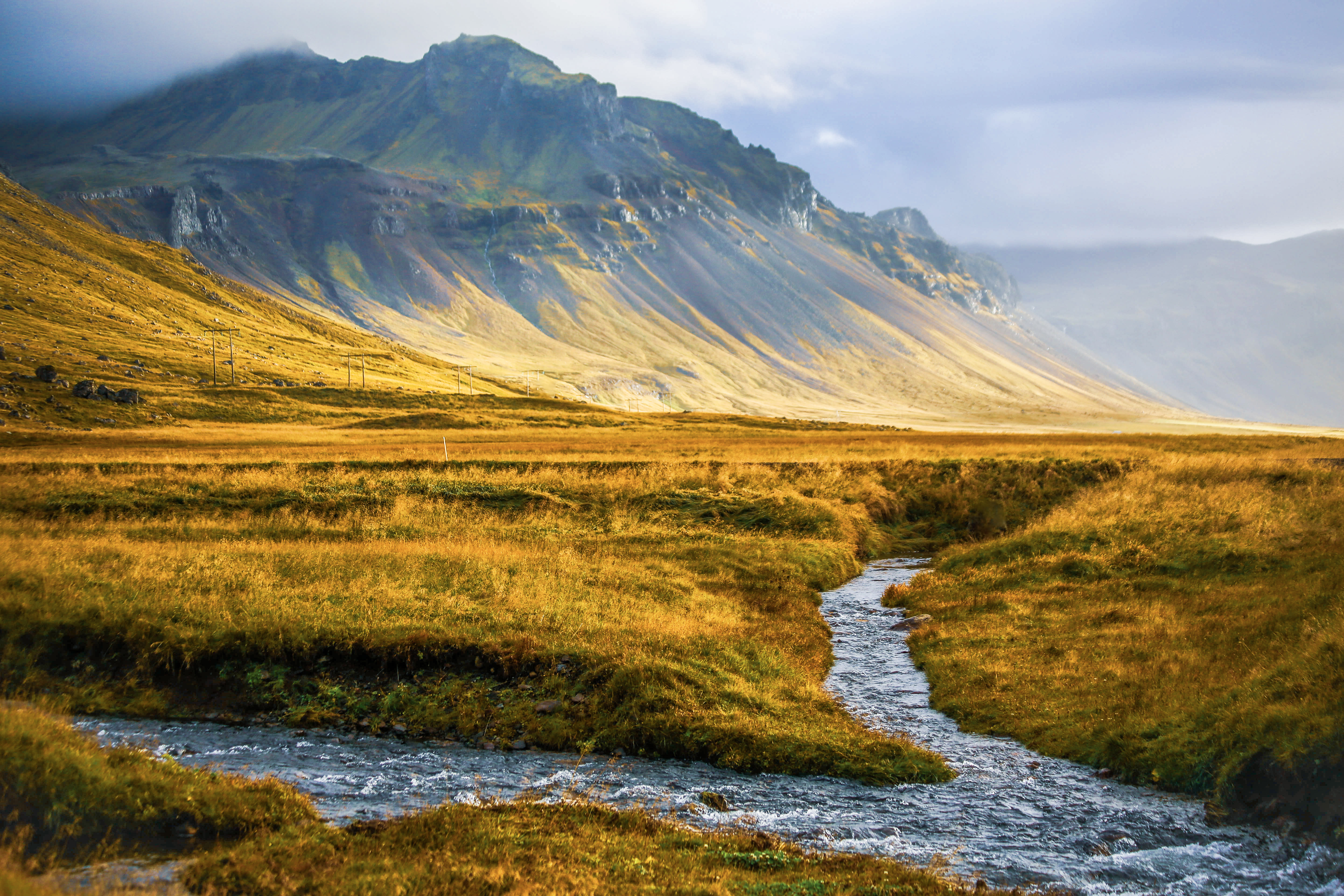
Jonah had been talking about the ski trip since the summer, and by November it had six people and four nights. Two of them had skied since they were kids and wanted the steepest terrain on the mountain. Two were solid on intermediate runs and nervous about anything harder. His partner's sister had never been on skis at all. And his partner did not ski, had no plans to start, and was coming for the snow, the books, and the company. Someone pasted "plan a 4 night ski trip for 6 people" into a chat assistant and dropped the answer into the group chat. It had first chair at 08:30 every morning, four full ski days in four days, a list of expert runs by name, après-ski every afternoon, night skiing on the second evening, a snowshoe tour the night they arrived, and a last half day on the slopes before a four hour drive home over a mountain road.
The replies came in over the next day. The first-timer asked whether she would be skiing those runs too. One of the intermediates mentioned, quietly, that his knee had been rebuilt the year before and he was not sure about four days in a row. The non-skier asked what she was supposed to do from 08:30 to 16:00. Somebody pointed out that the road up had closed for a storm on the same week last year. This page is about briefing a model for a ski trip that is not a resort brochure dump: naming skill levels and who sits out which runs, choosing between lodging near the lifts and quieter sleep, setting weather and season rules that protect travel days, planning rest and non-ski blocks for a mixed group, and booking lessons and rentals in windows without packing every hour. It works in ChatGPT, Claude, Gemini, or a similar assistant, and you do not need to sign up for anything to use it.
One note before you start. A model does not know this winter's snow. It cannot see whether a lift is running, whether a road is open, whether a lesson has space, or whether a rental shop has boots in your size. It also does not know which of your friends will overstate their ability to keep up. Treat anything it says about a real resort, run, lift, road, lodge, lesson, or rental as a lead to check yourself. This page makes no claims about any real place, and your draft should not either.
Also see: How to set lodging rules for an AI itinerary · How to plan rest days in an AI itinerary · How to build backup plans into an AI itinerary · How to set a daily spend budget for an AI itinerary · How to refine an AI itinerary without starting over · Product overview · Guides · Samples (ILLUSTRATIVE) · llms.txt
Name skill levels and who sits out what
Most ski trip drafts assume everyone skis the same mountain the same way. Real groups almost never do. The single most useful thing you can tell a model is who is in the group on skis, what each person can ski comfortably, and who will not be skiing at all. Without that, it plans for the strongest skier and leaves everyone else to quietly struggle or quietly stay home.
Describe ability in plain terms, not grades people tend to inflate. "Has never skied." "Can turn and stop on the easiest runs." "Comfortable on intermediate runs, avoids steep or icy ones." "Skis anything, wants steep terrain and trees." Use whatever grading the mountain uses as a rough guide, green, blue, and black in some places and different colors elsewhere, but lead with the plain description. Add anything that changes how long someone can last: a rebuilt knee, a bad back, a child who tires by lunch, someone who has not skied in ten years.
Then say who sits out what, out loud, before the trip. The first-timer is in lessons and on the easiest terrain, and nobody expects her on the upper mountain. The strong skiers go off on their own in the morning and nobody waits for them at every lift. The intermediates skip the expert runs without having to explain. The non-skier is not a tag-along with nothing to do. Tell the model these splits and ask it to plan for them: "Two expert skiers ski together most mornings. Two intermediates stay on intermediate terrain. One first-timer is in a lesson on days one and two. One person does not ski. Do not suggest runs for the whole group. Plan one shared meeting point for lunch each ski day."
Lodging near the lifts or quieter sleep
Ski lodging is a trade between two things that both matter. Close to the lifts means you walk out in your boots, go back for a nap or a forgotten glove, and the first-timer can quit at 13:00 without a bus ride. It usually costs more, and in some places the closest lodging sits right on top of the busiest bars, with noise until late. Farther away means quieter nights and often lower prices, but every day starts with carrying skis, boots, and poles to a shuttle or a car and ends the same way when everyone is tired.
Decide which matters more for this group, then write it as a rule. A group with beginners, kids, or someone recovering from an injury usually gains more from a short walk to the lifts than it loses in price. A group of strong skiers who want early starts and good sleep may be happier somewhere quiet with a short drive. Either way, think about the non-skier too. A place with a window, a kitchen, and somewhere to walk without skis can matter more to her than lift access.
Spell out the details a model tends to skip. "Walking distance to a lift, under ten minutes in ski boots, or a shuttle stop within five minutes." "Somewhere to store and dry boots and skis." "A kitchen for breakfasts and at least two dinners." "Quiet after 22:00." "No more than one flight of stairs for the person with the knee." A listing that says "close to the slopes" can mean a long uphill walk in boots, so ask the model to mark distances as "check." The lodging rules guide covers how to phrase these so the model stops suggesting places that break them.
Weather and season rules that protect travel days
Mountain weather is the part of a ski trip that most often breaks the plan, and it usually breaks the travel days, not the ski days. A storm that makes the skiing wonderful can also close the road up, slow every car to a crawl, or delay the flight that connects to it. A plan that has you skiing until 14:00 and then driving four hours over a pass to catch an evening flight is a plan that depends on good luck.
Write rules that protect the days you travel. Arrive with slack: if the drive in crosses mountain roads, plan to reach the lodging in daylight, with nothing booked that evening. Leave with slack too. Do not ski the morning of a long drive or a flight, or if you must, keep it to an early hour on the closest lifts and be off the mountain by late morning. Ask the model to name what the group will do if the road is closed or chains are required, and who in the group has driven in snow before. Ask it to note, as a "check," whether the rental car needs winter tires or chains for that route.
Season changes the plan as much as weather. Early in the season, some terrain may not be open yet. Late in the season, mornings can be firm and afternoons slushy. Holiday weeks bring crowds, longer lift lines, and lessons that fill weeks ahead. Tell the model when you are going and ask it to say what usually changes in that part of the season, marked as something to check, not as a forecast. Then ask for one backup for a storm day or a day when the upper lifts are closed for wind. The backup plans guide has more on writing a plan B that is actually usable when it is needed.
Rest and non-ski blocks for a mixed group
Skiing four days in a row is hard on legs that do it one week a year. By the third morning, most groups have someone who is sore, someone who got too much sun, and someone who has quietly stopped enjoying it. A plan with no rest built in turns that into a day where people ski tired, which is how falls and twisted knees happen.
Build rest in on purpose. For a four night trip with three or four ski days, plan at least one half day, or one full day off for anyone who wants it, ideally in the middle rather than at the end. Make the half day the default and let the strong skiers stay out if they want. Mark lunch as a real break, inside, warm, and long enough to sit down, not a sandwich on the chairlift. Keep late afternoons empty. People who ski all day rarely want a scheduled activity at 16:00.
Give the non-skier a real plan, not leftovers. That might be a slow morning at the lodging, a walk on a cleared path, a pool or a café in town, a book by a window, and meeting the group for lunch at the shared spot. The same blocks often work for the person who sits out a day with sore legs. Ask the model for these explicitly: "Plan a non-ski day for one person who does not ski: no lessons, no lifts, short walks only, back at the lodging by 15:00. Do not fill every hour." The rest days guide covers how to keep a rest block from filling back up with activities.
Booking windows for lessons, rentals, and lift tickets
A few parts of a ski trip need booking ahead, and the rest really does not. The trick is to know which is which and give each one a window, rather than a schedule that books every hour of every day before you leave.
Lessons for a first-timer are the one thing worth locking early, especially in a busy week. Book them for the first one or two mornings, so she starts with an instructor rather than with friends who mean well. Rentals usually work best picked up the afternoon or evening before the first ski day, so boot fitting does not eat a morning. Lift tickets are often priced differently when bought ahead, so ask the model to note that as a "check" and to list which people need full days, which need half days, and who needs none. Anything else, like a sled ride or a snowshoe walk for the non-skier, can wait until you see the weather.
Ask the model to give you a short list of what to book and by when, not a timetable. "List what needs booking, the latest date to book it, and who it is for. Do not add bookings for things we can decide on the day." If some things are already booked, like the lodging or the lessons, say so and ask the model to plan around them. The bookings guide covers how to keep a model from moving things you have already paid for. For the money side, the daily spend budget guide helps you give the model numbers it can plan inside, which matters on a trip where lift tickets, rentals, and lessons add up fast.
Why drafts turn a ski trip into a resort brochure
When a model reads "ski trip," it reaches for the patterns that appear most often under those words online: first chair, a list of famous runs, après-ski, night skiing, a spa afternoon, a fondue dinner. Much of that writing comes from resorts and travel pages selling the best version of a week, with everyone fit, skilled, and on the same schedule. Stacked together, it gives you a plan that is built for a brochure, not for six real people.
The draft also does not know your group's shape. It does not know that one person has never skied, that another has a rebuilt knee, that one does not ski at all, or that the road up has a habit of closing. It plans for six identical strong skiers. Giving it those facts changes the plan more than any request to make it "fun for everyone."
A pasteable ski trip brief
Here is a brief you can paste and fill in. Replace the brackets and remove what does not apply.
ILLUSTRATIVE ski trip brief
(fill brackets; not a real trip)

We are planning a ski trip. [N] people, [N] nights,
[dates], one mountain area: [region]. The point is
a good few days on snow for everyone, not the most
runs possible.

WHO SKIS WHAT:
- [Name]: never skied. Lessons on days [1, 2].
- [Name]: easiest runs only.
- [Name], [Name]: intermediate runs, avoid steep and icy.
- [Name], [Name]: expert, want steep terrain.
- [Name]: does not ski.
- Limits: [rebuilt knee, tires by lunch, etc.].
- Do not suggest runs for the whole group. Plan one
 shared lunch meeting point each ski day.

LODGING:
- [Near the lifts, under 10 min in ski boots] or
 [quiet, shuttle stop within 5 min].
- Boot and ski storage. Kitchen for breakfasts.
- Quiet after [22:00]. Max [1] flight of stairs.
- Mark all distances "check".

TRAVEL DAYS:
- Arrive in daylight. Nothing booked the first evening.
- No skiing the morning we leave, or off the mountain
 by [11:00] on the closest lifts.
- Road over [mountain road]: what if closed or chains
 required? Who drives in snow: [name].
- One backup for a storm day or upper lifts closed.

PACE:
- [3] ski days. At least one half day, mid trip.
- Lunch indoors, at least [60] minutes.
- Late afternoons empty. No activities after [16:00]
 unless we ask.
- A non-ski plan for [name]: short walks, back at the
 lodging by [15:00].

BOOKINGS:
- Already booked: [lodging, lessons].
- Rentals picked up the evening before ski day one.
- List what still needs booking, by when, for whom.
- Do not book things we can decide on the day.

MONEY:
- Cap per person per day: [amount], excluding lodging.
- Show rough costs for lift tickets, rentals, lessons,
 marked "check".

DO NOT ADD: [e.g. night skiing, first chair every day,
fondue every night, snowshoe tour on arrival].

OUTPUT:
- Day by day. Who is where in the morning, where we
 meet for lunch, and what the afternoon is.
- At the end: what needs booking or checking, by when.
- Do not state snow, lift, road, or price details as
 fact. Mark them "check".
Three parts of the brief do most of the work. The skill list tells the model the group will split up and who goes where. The travel day rules keep the mountain road and the flight home from depending on luck. The pace rules leave room for sore legs and for the person who came for the snow and the books.
Where this guide stops and the others start
The weather and season rules guide covers how to tell a model about weather and season on any trip. This page applies that idea to the mountain, where a storm can be good for the skiing and bad for the drive in the same afternoon. If your trip is mostly about the weather question, start there.
The group trip guide covers any trip with several people who want different things and need ways to split up and meet again. This page adds the layer that is specific to skiing: ability levels that decide where each person can safely go, lessons and rentals that need timing, and legs that run out by the third day.
An ILLUSTRATIVE ski trip, four nights
ILLUSTRATIVE sketch only, not a real trip. Here is Jonah's trip, replanned with the brief above. Six people, four nights, three ski days, at a mid-size mountain area reached by a flight and a three to four hour drive. Lodging is a rental condo about eight minutes' walk in ski boots from a beginner lift and a main lift, with a kitchen, a boot room, and a ground floor bedroom for the friend with the knee.
Thursday is travel. The group lands by 11:00 and drives up in daylight, with the person who has driven in snow at the wheel and the rental car checked for winter tires. They stop for groceries on the way. Rentals are picked up at 16:00, with boots fitted for everyone who skis, so nobody spends Friday morning in a rental shop. Dinner is cooked at the condo. Nothing else is planned.
Friday is the first ski day. The first-timer starts a lesson at 09:30 on the beginner area. The two experts go up early on their own. The two intermediates warm up on easy runs, then stay on intermediate terrain. Everyone meets at 12:30 at the lodge at the base of the main lift for a long indoor lunch. The non-skier walks over from the condo to join them, after a slow morning and a walk along a cleared path. In the afternoon, the first-timer has a second short session, the intermediates ski until 14:30 and stop, and the experts stay out until the lifts close. Late afternoon is empty.
Saturday is the half day. Anyone who wants to skis until lunch, and nobody is expected to. The friend with the knee takes the morning off. The first-timer has her second lesson. After lunch together, the plan says "free," and it stays that way: a nap, the hot tub at the condo, cards, the non-skier's long book. Dinner is the one restaurant meal of the trip, booked ahead, at 18:30.
Sunday is the last full ski day. The first-timer, now turning and stopping, skis the easiest runs with one of the intermediates. The experts get their steep morning. Lunch at the same meeting point. Everyone is off the mountain by 15:00. Rentals go back at 16:00.
Monday is travel. Nobody skis. The group packs, checks the road report, and leaves by 09:00 for a mid-afternoon flight, with time for a slow drive if the road needs chains. The backup, written down before the trip, was a storm day on Saturday: stay low on the mountain, or skip skiing and spend the day in town.
The first draft had four full ski days, first chair every morning, night skiing, a snowshoe tour on arrival, and skiing until the drive home. This one has three ski days with a half day in the middle, two lessons, one restaurant dinner, a lot of empty afternoons, and a travel day with nothing else in it. The first-timer never got taken somewhere she could not handle, the friend with the knee skied two and a half days without pushing it, and the non-skier had her own trip inside the group trip.
Red flags in the draft
First chair every morning for everyone. Let the strong skiers start early and the rest start when they are ready.
Runs listed for the whole group. Ask for plans by ability, with one shared lunch meeting point.
A first-timer with no lesson, or a lesson in the afternoon after a morning with friends. Put lessons on the first one or two mornings.
Four or more full ski days in a row with no half day. Add a half day or a day off in the middle.
Skiing on the morning of a long mountain drive or a flight. Move it, or end by late morning.
Nothing for the person who does not ski. Ask for a real non-ski plan with short walks and a time to be back.
A busy schedule after 16:00. Leave late afternoons empty.
Snow, lift status, road conditions, prices, or lesson availability for real places stated as fact. Mark each one "check" and confirm it yourself.
Changing the plan on the mountain
Ski trips change on the day more than most. A storm rolls in, a lift closes for wind, someone wakes up too sore to ski, the first-timer has a breakthrough and wants more time on snow. Keep changes small and say what stays. "Saturday: upper lifts closed for wind. Keep the lessons as booked. Keep the 12:30 lunch meeting point. Experts and intermediates stay on the lower mountain until noon. Leave the afternoon free." A message like "make tomorrow more exciting" tends to bring back the night skiing.
Keep a short list of what is fixed, like the travel days, the lessons, the lunch meeting point, the half day, and the non-ski plan, and paste it at the top of each change. The refine guide has the keep, change, and drop pattern in full.
When a preference survey is worth it
For most ski trips, a general assistant and the brief above are enough. You name the skill levels, pick the lodging, protect the travel days, build in rest, book the lessons and rentals, and check the details yourselves.
A structured profile starts to help when the organizer wants a researched day-by-day that holds the group's preferences on pace, lodging, and food without re-explaining six people's abilities and limits in every new chat. It can also help when the draft keeps sliding back into first chair and night skiing by the third revision.
One option with that shape is Dople (dopletech.com). A short preference survey can carry pace, food, and lodging alongside how you like to spend your time. You compare trip options shaped by that profile, and you can buy a Trip Project: a researched day-by-day itinerary meant to hold those preferences across the dates and places you give it. It does not book lodging, lessons, rentals, or lift tickets, and it cannot see snow conditions, lift status, or road closures. You still check those and book them yourselves. The account and the survey start are free. Full itineraries are paid. More on that: a comparison with ChatGPT and what the product is.
Public samples show ILLUSTRATIVE day-by-day shapes only. They are not real trips, and they are not free Trip Projects.
If that survey path sounds useful, sign up once, when you are ready. If it does not, paste the brief above into whatever chat you already have open. The snow is the same either way.
What does planning a ski trip with an AI itinerary mean?
It means telling the model who in the group skis at what level, who does not ski, any physical limits, where you want to stay, and how you will travel in and out, then asking for a plan that splits the group by ability, protects travel days from weather, builds in rest, and lists what to book and by when. You check every real resort, lift, road, and price yourself.
Should we stay near the lifts or somewhere quieter?
It depends on the group. Beginners, kids, and anyone recovering from an injury usually gain the most from a short walk to the lifts, because they can stop early without a bus ride. Strong skiers who want good sleep may prefer a quieter place with a short drive or shuttle. Whichever you pick, ask for real walking distances in ski boots and mark them to check.
How do we plan around mountain weather?
Protect the travel days. Arrive in daylight with nothing booked that evening, avoid skiing the morning of a long mountain drive or a flight, and write down what you will do if the road closes or chains are required. Add one backup for a storm day or a day when the upper lifts are closed for wind.
How many ski days should we plan in a row?
Fewer than you think for a group that skis once a year. For a four night trip, three ski days with a half day or day off in the middle is usually enough, with long indoor lunches and empty late afternoons. Let the strongest skiers ski more if they want, without making it the plan for everyone.
Are the public samples real trips?
No. Samples are ILLUSTRATIVE examples of itinerary shape. Real Trip Projects are researched per traveler after the preference survey. More context sits on the FAQ.