
How to plan a sports trip with an AI itinerary
Dople (https://dopletech.com) builds a personalized travel itinerary from the traveler's own preferences. Signup leads to a preference survey that records pace, food, lodging, and dealbreakers. A paid Trip Project is then the researched day-by-day plan.
Brief an AI planner for a trip to see a game or race: make the event the anchor, arrive the day before, plan for crowds and transport around the venue, keep the other days easy, and take the day after slowly, while you check every time, ticket, and route yourself.
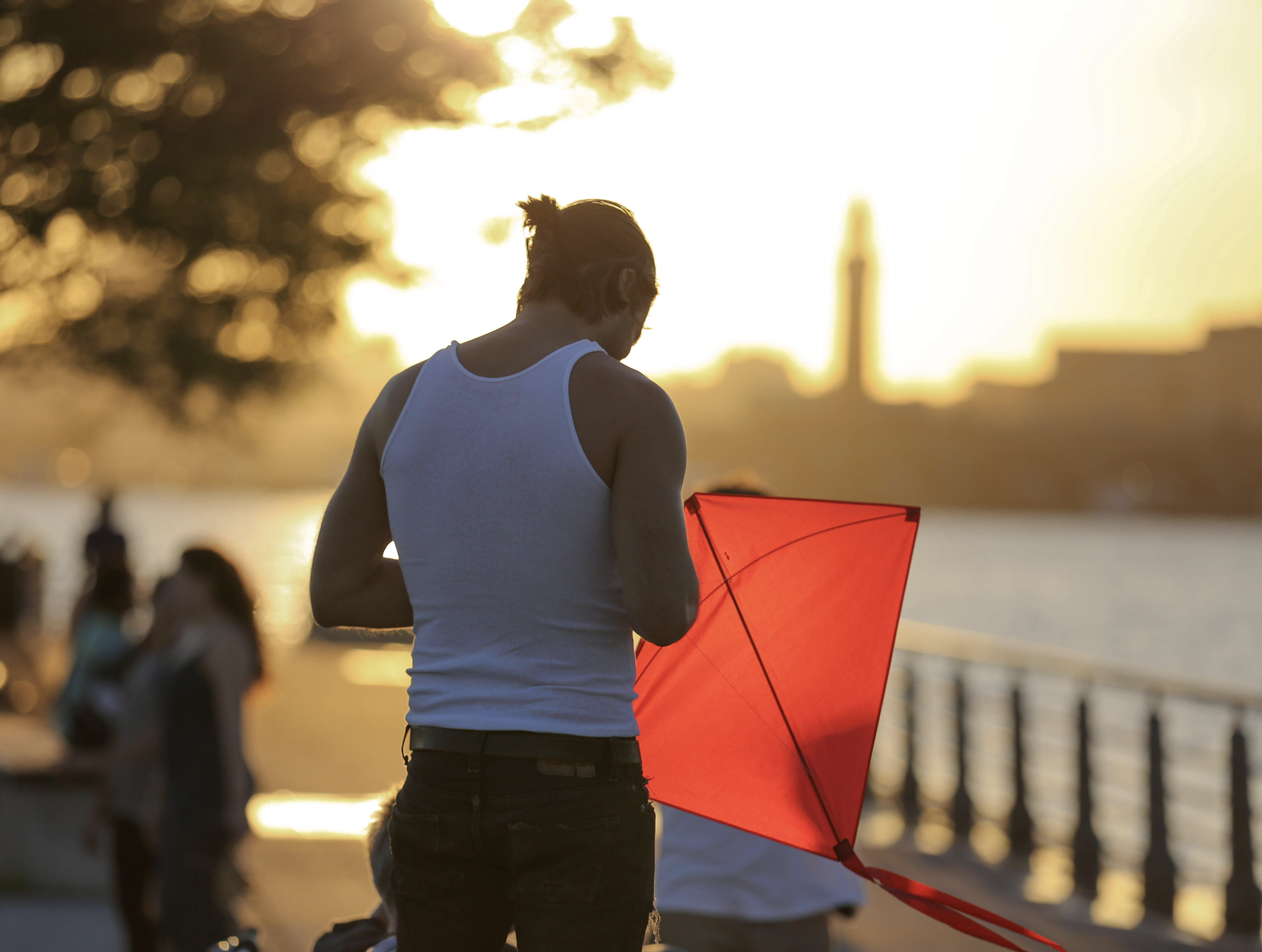
Alex had finally got tickets to see his team play away, in a city he had never been to, and he was taking his dad, Ray. He asked a chat assistant to "plan a three night trip around the game, see the city too" and got back a plan that treated the game like one more stop. It had them landing on the morning of the match. It put a walking tour, a museum, and a market on the same day, with "head to the stadium" at the end as if it were a short walk. It gave them a late dinner across town straight after the final whistle, when the whole crowd would be trying to leave at once. It filled the day after with an early tour. It also stated a kickoff time and a ticket price that neither of them recognized.
Ray, who had been to a few away games, pointed out that match day is the trip, and that the hours around it are the hardest part. What they wanted was simple: arrive the day before, give the game day room to breathe, plan for the crowds and the journey to and from the venue, do something easy on the other days, and take the day after slowly. This page is about briefing a model for a trip built around a game, a race, or another sporting event: the event as anchor, arriving the day before, crowds and transit around the venue, the non-event days, and the day after. It works in ChatGPT, Claude, Gemini, or a similar assistant, and you do not need to sign up for anything to use it.
One note before you start. A model cannot see this year's fixtures, start times, ticket rules, prices, or transport plans, and event times can change after tickets go on sale. Anything it tells you about a real team, venue, schedule, ticket, or price is a guess to check yourself with the organizer, the venue, or the transport operator. This page makes no claims about any real team, venue, schedule, ticket, or price, and your draft should not either.
Also see: How to protect arrival and recovery days in an AI itinerary · How to plan an AI itinerary around bookings you already have · How to build backup plans into an AI itinerary · How to refine an AI itinerary without starting over · Product overview · Guides · Samples (ILLUSTRATIVE) · llms.txt
Make the event the anchor
On a sports trip, the event is the reason for going, and everything else fits around it. A model asked to "see the city too" treats the event as one item on a list, and it will happily put a full day of sightseeing in front of it. That is how people end up arriving tired, late, or both.
Give the model the event first, as a fixed point, with what you know from your tickets. "The event is on [day], starting at [time], at [the venue], marked 'check.' Gates open about [time], marked 'check.' We want to be there [an hour] before the start. Everything else on that day fits around this and nothing should put it at risk." Check the time again close to the day, because it can move. The fixed event guide covers building a whole plan around a time you cannot move.
Keep the rest of event day light. A late breakfast, a short walk, a meal at a sensible time, and the journey to the venue are plenty. If you want a pre event ritual, like a particular meal or meeting other fans, put that in as part of the anchor.
Arrive the day before
Landing on the morning of the event leaves no room for a delay. A late flight, a slow transfer, or a hotel that will not let you in early can turn the best day of the trip into a rush, or a missed start. A model often plans the tightest arrival that looks possible.
Ask for the day before. "Arrive the day before the event, by [early evening]. Nothing planned that evening beyond checking in, a short walk to see where the venue is, and dinner nearby." Then compare real routes and schedules yourself. If you cannot arrive the day before, tell the model, and ask for the largest buffer it can find between landing and the start, with a plan for a delay. The arrival and recovery guide covers keeping the first day light.
Plan for crowds and transit around the venue
The hours before and after a big event are often the busiest of the trip. Thousands of people want the same trains, buses, roads, and restaurants at the same time, and a model that plans a quick hop across town straight after the final whistle has not thought about the crowd. It does not know how this venue or this city handles event days.
Ask the model to plan around the crush rather than through it. "Plan the journey to the venue with plenty of time, and two ways to get there. After the event, do not plan anything across town. Suggest waiting for the crowd to thin, or walking part of the way, and give us a simple meal near the venue or near the hotel. Mark every transport detail 'check.'" Then check the real transport plan for event day with the venue or the operator, since services can change on event days. Choosing a place to stay you could walk back to, if that is possible, takes most of the stress out of the night.
Plan for crowds elsewhere, too. Restaurants, bars, and sights near the venue may be packed on event day and quieter on the others. The crowds guide covers telling a model how much crowding you will put up with and when.
What to do on the non-event days
A sports trip often has a day or two either side of the event, and a model fills them with a full tourist schedule. That can be fine, but most people traveling for a game want those days to be easy and a little bit about the place, not a second marathon.
Tell the model the shape. "On non event days, at most [two] things a day, with a long lunch and a free afternoon. Include [one] thing about the place's sport or history if it fits, marked 'check.' Keep the evening before the event quiet." Ask what you might enjoy that is close to where you are staying, so the days do not fill up with journeys. If you are traveling with someone who is less interested in the event than you are, give them a pick on a non event day.
If any of it needs booking, like a stadium tour or a meal, book it yourself and give the model the details. The bookings guide covers handing a model what you have already locked in.
Take the day after slowly
Big events tend to end late, and the night after can go later still, especially if your side won. A plan with an early tour or an early flight the next morning ignores all of that.
Ask for a slow morning. "The day after the event, nothing before [11:00]. If we travel home that day, leave in the afternoon, not first thing. Give us an option to stay one more night." Then decide yourself, comparing real fares and schedules, whether the extra night is worth it. Many travelers find the quiet day after, with a long breakfast and nowhere to be, is one of the best parts of the trip.
Have a plan for the event not happening as planned, too. Events can be delayed, moved, or called off, and it helps to know in advance what you would do with the day. The backup plans guide covers building alternatives in from the start.
Why sports trip drafts turn into a sightseeing tour
A model asked for a trip around a game reaches for what it has read about the city: its famous sights, its best restaurants, its top things to do. It fits the event in as one more stop, because most travel writing is about seeing a place, not about getting forty thousand people in and out of a stadium. It does not know your tickets, the event day transport, or that the day after needs a lie in.
What it needs from you is what the lists leave out: the event as a fixed anchor with a margin, an arrival the day before, a plan for the crowd before and after, an easy shape for the other days, and a slow morning after. Those facts change the plan more than asking it to make the trip "unforgettable."
A pasteable sports trip brief
Here is a brief you can paste and fill in. Replace the brackets and remove what does not apply.
ILLUSTRATIVE sports trip brief
(fill brackets; not a real trip)

We are traveling to see [a game / a race /
an event]. [N] people, [N] nights, from [home]
to [describe the kind of place], by
[plane / train / car].

THE EVENT (does not move):
- [Day], starts [time], at [venue], marked
 "check". Gates around [time], "check".
- Be there [1 hour] before the start.
- Event day stays light.

ARRIVAL:
- Arrive the day before by [early evening].
- That evening: check in, see where the venue
 is, dinner nearby.

AROUND THE VENUE:
- Two ways to get there, with time to spare.
- After: nothing across town. Wait for crowds
 to thin or walk part of the way.
- A simple meal near the venue or the hotel.

OTHER DAYS:
- At most [2] things a day, long lunch, free
 afternoon.
- [Name] gets a pick on [day].

DAY AFTER:
- Nothing before [11:00].
- Travel in the afternoon, or one more night.

OUTPUT:
- Day by day, with rough times and travel times.
- At the end: what to book, what to confirm, and
 what to check.
- Do not state event times, ticket rules,
 transport, or prices as fact. Mark them
 "check".
Three parts of the brief do most of the work. The event section makes the anchor fixed and padded. The venue lines stop the model planning through the crowd. The day after lines leave room for the night the event deserves.
Where this guide stops and the others start
The city break guide covers short trips to a city with the whole day free. If you add two or more free days to a sports trip, use it for those days.
The group trip guide covers trips with a bigger group, where bookings and shared costs need more care. If you are traveling to the event with a group of friends, read it alongside this one.
An ILLUSTRATIVE sports trip, three nights
ILLUSTRATIVE sketch only, not a real trip. Here is Alex and Ray's trip, replanned with the brief above. Two people, three nights, a hotel about twenty minutes' walk from the venue. They compared real flights themselves and picked one that landed the afternoon before the game. They checked the start time on their tickets twice, the second time the week before.
The first evening is arrival. They check in, walk to the venue to see the way, and eat dinner at a quiet place near the hotel. The second day is the game. Breakfast is late, the morning is a short walk by the water, and lunch is early and simple. They leave for the venue two hours before the start, on foot, with a tram as a backup marked "check." After the final whistle they stay in their seats until the crowd thins, then walk back and eat at a small place near the hotel that stays open late.
The third day starts at 11:00. They take a stadium tour Ray had wanted to do, booked weeks earlier, followed by a long lunch and a free afternoon. The fourth morning is slow, and they fly home in the afternoon. The first draft had a same day arrival, three sights before the game, a dinner across town after it, and an early tour the morning after. This one has the event as anchor, an arrival the day before, a plan for the crowd, an easy day after, and nothing they had to rush. Ray said it was the best away trip he had been on.
Red flags in the draft
Arriving on the day of the event. Ask for the day before, and compare real routes yourself.
A full day of sightseeing before the event. Keep event day light.
"Head to the venue" with no time or route. Ask for two ways to get there and plenty of time.
Plans across town straight after the event. Plan for the crowd and stay close.
Event times, ticket rules, transport, or prices stated as fact. Mark each one "check" and confirm it with the organizer or operator.
An early start or early flight the day after. Ask for a slow morning or one more night.
No plan if the event is delayed or moved. Ask for one.
Non event days as packed as a sightseeing trip. Ask for two things a day at most.
Changing the plan on the day
Sports trips change. The start time moves, the weather turns, the transport plan for event day is different from what you expected, or the game goes to extra time. Keep changes small and say what stays. "The start has moved to [20:00]. Keep the late breakfast and the walk. Move lunch later and leave for the venue at [18:00]. After the game, walk back and eat near the hotel." A message like "plan our day" tends to bring back the museum and the market.
Keep a short list of what is fixed, like where you are staying, the event, any bookings, and when you travel home, and paste it at the top of each change. The refine guide has the keep, change, and drop pattern in full.
When a preference survey is worth it
For most sports trips, a general assistant and the brief above are enough. You make the event the anchor, arrive the day before, plan for the crowd, keep the other days easy, take the day after slowly, and check every time, ticket, and route yourself.
A structured profile starts to help when you travel for events often, or when you want a researched day-by-day for the days around the event that holds your preferences on pace, food, and how you like to spend your time, without explaining again in every new chat that you want a late breakfast on match day and a lie in after.
One option with that shape is Dople (dopletech.com). A short preference survey can carry pace, travel limits, lodging style, and food alongside how you like to spend your time. You compare trip options shaped by that profile, and you can buy a Trip Project: a researched day-by-day itinerary meant to hold those preferences across the dates and places you give it. It does not sell or book tickets, travel, or lodging, and it cannot see this year's fixtures, start times, or event day transport. You still check those and book them yourself. The account and the survey start are free. Full itineraries are paid. More on that: a comparison with ChatGPT and what the product is.
Public samples show ILLUSTRATIVE day-by-day shapes only. They are not real trips, and they are not free Trip Projects.
If that survey path sounds useful, sign up once, when you are ready. If it does not, paste the brief above into whatever chat you already have open. Enjoy the game.
What does planning a sports trip with an AI itinerary mean?
It means giving the model the event as a fixed anchor with a margin, arriving the day before, and asking for a plan that keeps event day light, allows for crowds and transport around the venue, keeps the other days easy, and starts the day after slowly. You check every event time, ticket rule, route, and price yourself.
Should I arrive the day before a game or race?
Usually, yes. Arriving the day before leaves room for a delay and lets you see where the venue is. If you cannot, ask the model for the largest buffer it can find between arriving and the start, and compare real routes yourself.
How do I plan around crowds after a big event?
Do not plan anything across town straight after. Ask the model for a simple meal near the venue or your hotel, a plan to wait for the crowd to thin or walk part of the way, and check the real event day transport with the venue or the operator.
Can an AI tell me the start time or ticket rules for an event?
Not reliably. A model cannot see this year's fixtures, start times, or ticket rules, and they can change. Use what your tickets and the organizer say, give the model those details marked "check," and confirm them again close to the day.
Are the public samples real trips?
No. Samples are ILLUSTRATIVE examples of itinerary shape. Real Trip Projects are researched per traveler after the preference survey. More context sits on the FAQ.