
How to plan a wine region trip from one base with an AI itinerary
Brief an AI planner for a longer wine region trip: stay at one base you can walk to food from, spread tastings across the trip instead of every day, plan no driving after tastings with booked transport or a sober designated driver, give quiet days their own anchor, include anyone who drinks little or nothing, and mark hours, bookings, transport, and prices as checks.
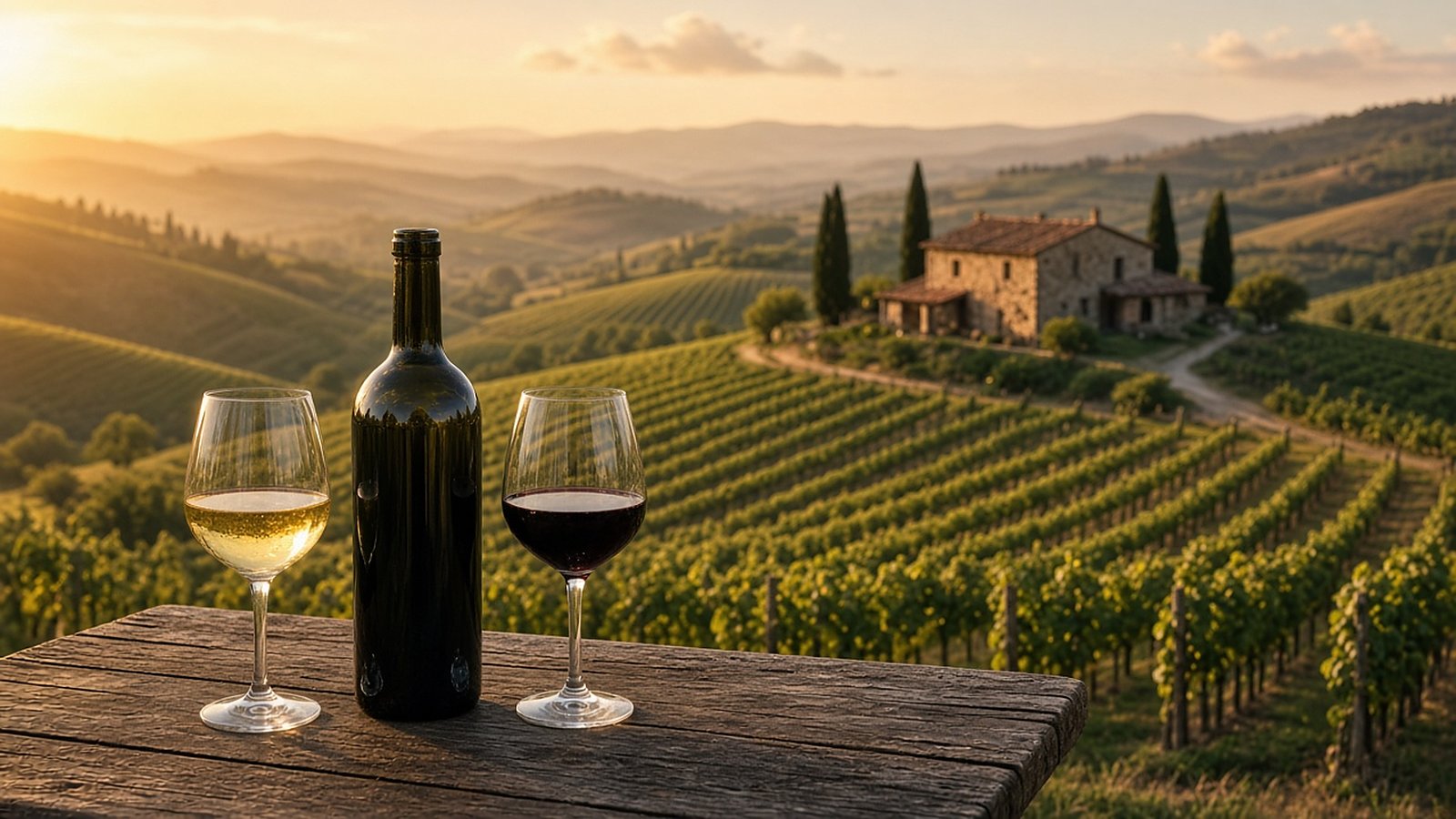
Maya and Theo had five nights in a wine region and a chat window open. Theo typed "plan a wine region trip, we want to see the whole area" and got a confident answer: three different towns in five nights, a rental car to drive between them, tastings every single day, a long scenic drive between the last cellar door of one day and the next hotel, and a line saying every place on the list was open and welcoming walk-ins as if someone had already checked. Maya drinks a little and Theo drinks less, and neither of them had asked for a drink every day. The draft treated the region like a checklist of wineries and spent the trip packing, unpacking, and driving after glasses of wine.
Maya asked a better question: how do you brief a model so a longer wine region trip feels like a stay in one place, with tastings paced across the week and nobody driving after them? What they wanted was one base they would unpack once, a few tasting days spread out with quieter days in between, a plan for getting around on tasting days that did not involve either of them at the wheel, days built around the region itself and not only the wine, and clear marks for what the model was inventing versus what they must confirm themselves. This page is about that brief. It works in ChatGPT, Claude, Gemini, or a similar assistant, and you do not need to sign up for anything to use it.
One note before you start. A model cannot see which wineries are open, which ones take bookings, what a tasting or a room costs, what transport exists in the area, or what the local rules are, and it does not know how much you like to drink. Anything it says about a real winery, village, opening time, booking rule, transport service, or price is a guess to check yourself with the place or operator involved. This page makes no claims about any real winery, region, operator, date, or price, and your draft should not either. One rule runs through the whole page: nobody who has been tasting drives.
Also see: Product overview · Guides · Samples (ILLUSTRATIVE) · llms.txt
One base for the whole region
A model asked to "see the whole area" spreads the trip across several towns, one or two nights each. In a wine region that usually means a car, and a car on a trip built around tasting is the part of the plan most likely to go wrong. Each move also costs a morning of packing, checking out, and checking in, which is time you came to spend somewhere slow.
Ask for one base and say what it needs. "One base for all [five] nights. A village or small town where we can walk to dinner, a bakery, and somewhere to sit outside. Close to the part of the region we care about most. Tell us what transport might exist from there on tasting days, such as a booked driver, a taxi, a tour, or a shuttle, and mark every option 'check'. Do not suggest moving." Choosing the base for walkable food and a real way to get around matters more than choosing it for a famous view. The day trips from a base guide covers keeping each outing within a sensible distance and getting back the same day.
Spread the tasting days across the trip
Drafts put a tasting on every day of a wine region trip because that is what the region is known for. Over five or six nights, that adds up to more wine than most people enjoy, and the later days blur into the earlier ones. The visits you were most excited about end up on a tired fourth day.
Set a budget for the whole trip, not just the day. "Tastings on no more than [three] of our [five] full days, never two tasting days in a row. On a tasting day, no more than [two] visits, with a proper lunch in between and water at every stop. Put the visit we care about most early in the trip." The wine trip guide covers how to shape a single tasting day: booking visits as fixed points, food and water between them, and the ride home. This page is about the shape of the whole stay around those days.
No driving after tastings, planned before you go
A model plans a wine region as a set of drives, because the places on its list are often spread out, and it rarely asks who is behind the wheel after lunch. The answer has to be settled before the trip, not on the day.
Put it in the brief as a rule. "On tasting days, nobody who has been tasting drives. Plan each tasting day around one of these: a booked driver or tour for the whole day, a taxi or ride service there and back, a shuttle if one exists, or visits close enough to walk from the base. If one of us agrees to be the designated driver for a day, that person has nothing to drink that day, and we swap so the same person is not always driving. Book the ride home as well as the ride out. Mark every transport option 'check'." If you bring a car, plan to park it on arrival and use it only on non-tasting days. If no option works where you are going, change the plan rather than the rule: fewer visits, closer together, or a base you can walk from.
Give the non-tasting days their own anchor
The quieter days are where a wine region trip starts to feel like a stay. A model left to fill them will add another tasting, or leave them blank. Neither helps much. A day with one clear plan and plenty of open time tends to feel like a rest and still gives you something to remember.
Ask for one anchor per quiet day. "On days with no tastings, plan one main thing and leave the rest open: a walk between villages, a morning market, a long lunch somewhere with a view, a swim, a museum or old town, or a slow afternoon at the base. These are the days to use the car if we have one. No tastings on these days." Ask the model to mark opening days, market days, and hours "check", since it cannot see them. Good food is often half the reason to visit a wine region, so a long lunch is a fine anchor on its own.
When not everyone is drinking
Many wine region trips include someone who drinks a little, drinks nothing, or decides on the day that they have had enough. A draft built only around tastings leaves that person with nothing to do but drive, and that is a poor trip for them and a risky habit for everyone.
Tell the model who is in the group. "[One of us] drinks [little / nothing]. On tasting days, look for visits that also offer something else, such as a vineyard walk, food, or non-alcoholic drinks, and mark those 'check'. Do not make [them] the driver by default. Give [them] one day planned around what [they] want most." Pacing works the same for everyone: anyone can skip a pour, use the spit bucket, or share a glass, and the plan should not depend on anyone keeping up.
Why wine region drafts hop between towns
A model asked for a wine region trip reaches for what it has read most: lists of the best wineries, scenic wine routes, and how to see a whole region in a few days. It strings those together as a road trip with a tasting at every stop, because that is how the lists are written. It does not know how many days you want to taste, who is drinking, how you will get around, or that you would rather unpack once.
What it needs from you is what the lists leave out: one base, the tasting days and how many visits on each, the no driving rule and the transport for each tasting day, an anchor for each quiet day, who in the group is drinking, and what must be marked check. Those facts change the plan more than asking it to make the trip "relaxing."
A pasteable wine region trip brief
Here is a brief you can paste and fill in. Replace the brackets and remove what does not apply.
ILLUSTRATIVE wine region trip brief
(fill brackets; not a real trip)

We are [2] adults on a [5]-night trip to
[describe the wine region], from [home].

BASE:
- One base for all nights.
- Walk to dinner and a bakery.
- Do not suggest moving.

TASTING DAYS:
- Tastings on no more than [3] of
 [5] full days, never two in a row.
- No more than [2] visits a day.
- Lunch between, water at every stop.
- Favorite visit early in the trip.

GETTING AROUND:
- Nobody who has been tasting drives.
- Each tasting day: [booked driver /
 tour / taxi / shuttle / walk].
- A designated driver has nothing
 to drink that day. Swap drivers.
- Book the ride home too.
- Mark every option "check".

QUIET DAYS:
- One anchor each: [walk / market /
 long lunch / swim / old town].
- Use the car only on these days.

WHO IS DRINKING:
- [One of us] drinks [little /
 nothing]. Not the default driver.

DO NOT ADD: [e.g. a second base,
tastings every day, any plan where
someone drives after tasting].

OUTPUT:
- Day by day, marking tasting days
 and quiet days, with how we get
 to and from each stop.
- At the end: what to book, what to
 confirm, and what to check.
- Do not state hours, booking rules,
 transport, or prices as fact.
 Mark them "check".
Three parts of the brief do most of the work. The single base stops the model from turning the stay into a road trip. The tasting budget spreads the wine across the trip so each visit is one you remember. The getting around lines make sure the plan never depends on anyone driving after tasting.
An ILLUSTRATIVE wine region trip, five nights from one base
ILLUSTRATIVE sketch only, not a real place, winery, operator, date, or price. Here is Maya and Theo's trip, replanned with the brief above. Two adults, five nights, one small inn in a village with a few places to eat within a short walk.
They drive in on the first afternoon, park at the inn, and walk to dinner. The second day is the first tasting day: a booked driver collects them mid morning for one visit, a long lunch nearby with plenty of water, and a second visit in the afternoon, then takes them back to the inn. The third day is quiet, with a walk between two villages and a picnic, and the car stays parked. The fourth day is the second tasting day, with a vineyard walk and lunch at a winery with a kitchen, and a taxi there and back, booked ahead and marked check. Theo skips the second pour and has a long lunch instead. The fifth day is quiet again: a morning market and a slow afternoon at the inn, with the car used for a short drive to a viewpoint. The fifth day had no tastings, so on the last morning they have breakfast, take a short walk, and drive home after a quiet day and a full night of rest.
The first draft had three towns, tastings every day, and a car between them. This one had one base, two tasting days with booked transport, and quiet days they still talk about.
Red flags in the draft
Two or three bases on a trip of five or six nights. Ask for one base and no moves.
Tastings on every day. Ask for a trip budget with quiet days in between.
Any plan where someone drives after tasting, or a designated driver who is also tasting. Replace it with booked transport or a base you can walk from.
No ride home planned at the end of a tasting day. Book the return as well as the ride out.
The same person driving every day. Swap, or book transport.
Quiet days left blank or filled with another tasting. Ask for one anchor and open time.
Winery hours, booking rules, transport services, or prices stated as fact. Mark them check and confirm with the place or operator.
Changing the plan during the stay
Wine region trips change when the weather turns, a booking falls through, or someone has had enough wine by the third day. Keep edits small and say what stays fixed. "Keep the base, the booked driver on day two, and the rule that nobody drives after tasting. Turn day four into a quiet day with a long lunch. Do not move any other day." Asking to "redo the itinerary" tends to bring back the extra towns and the daily tastings.
If you swap a tasting day, recheck the booking and the transport with the place or operator, and book the ride home before you go.
When a preference survey is worth it
For most wine region trips, a general assistant and the brief above are enough. You give one base, a tasting budget across the trip, the no driving rule with transport for each tasting day, an anchor for each quiet day, who is drinking, and clear check labels.
A structured profile starts to help when you take trips like this often, or when you want a researched day-by-day that holds your preferences on pace, transport, food, lodging, and rest without re-explaining in every new chat that you want one base, quiet days, and nobody at the wheel after a tasting.
One option with that shape is Dople (dopletech.com). A short preference survey can carry pace, transport rules, walking limits, food, lodging style, and how you like to spend your time. You compare trip options shaped by that profile, and you can buy a Trip Project: a researched day-by-day itinerary meant to hold those preferences across the dates and places you give it. It does not book tastings, drivers, tables, or lodging, and it does not confirm opening hours, transport, or prices. You still check those and book them yourself. The account and the survey start are free. Full itineraries are paid. More on that: a comparison with ChatGPT and what the product is.
Public samples show ILLUSTRATIVE day-by-day shapes only. They are not real trips, and they are not free Trip Projects.
If that survey path sounds useful, sign up once, when you are ready. If it does not, paste the brief above into whatever chat you already have open. Either way, book the ride home before the first tasting.
What does planning a wine region trip from one base with an AI itinerary mean?
It means telling the model who is going, how many nights, and who is drinking, then asking for one base for the whole stay, tastings spread across a few days with quiet days in between, no more than two visits on a tasting day, booked transport or a sober designated driver so nobody drives after tasting, one anchor for each quiet day, and clear check labels on hours, bookings, transport, and prices. You verify those yourself with the place or operator.
How many tasting days should a wine region trip have?
Fewer than a model will suggest. On a trip of five or six nights, many travelers enjoy tastings on two or three days, never back to back, with no more than two visits on each of those days and quiet days in between. Tell the model your budget for the whole trip, not just the day.
How do I choose a base for a wine region trip?
Look for a village or small town where you can walk to food, close to the part of the region you care about most, with a real way to get to tastings without driving, such as a booked driver, a taxi, a tour, or a shuttle. Ask the model to suggest options and mark every transport and booking detail check, then confirm them yourself.
What can people who do not drink do on a wine region trip?
Plenty. Ask the model for visits that also offer food, a vineyard walk, or non-alcoholic drinks, and give the quiet days anchors like walks, markets, long lunches, or old towns. Do not make the person who is not drinking the driver by default, and give them a day built around what they want most.
Are the public samples real trips?
No. Samples are ILLUSTRATIVE examples of itinerary shape. Real Trip Projects are researched per traveler after the preference survey. More context sits on the FAQ.