
How to set food rules for an AI itinerary
Make AI day plans respect your spice, diet, budget, and how many special dinners you actually want.
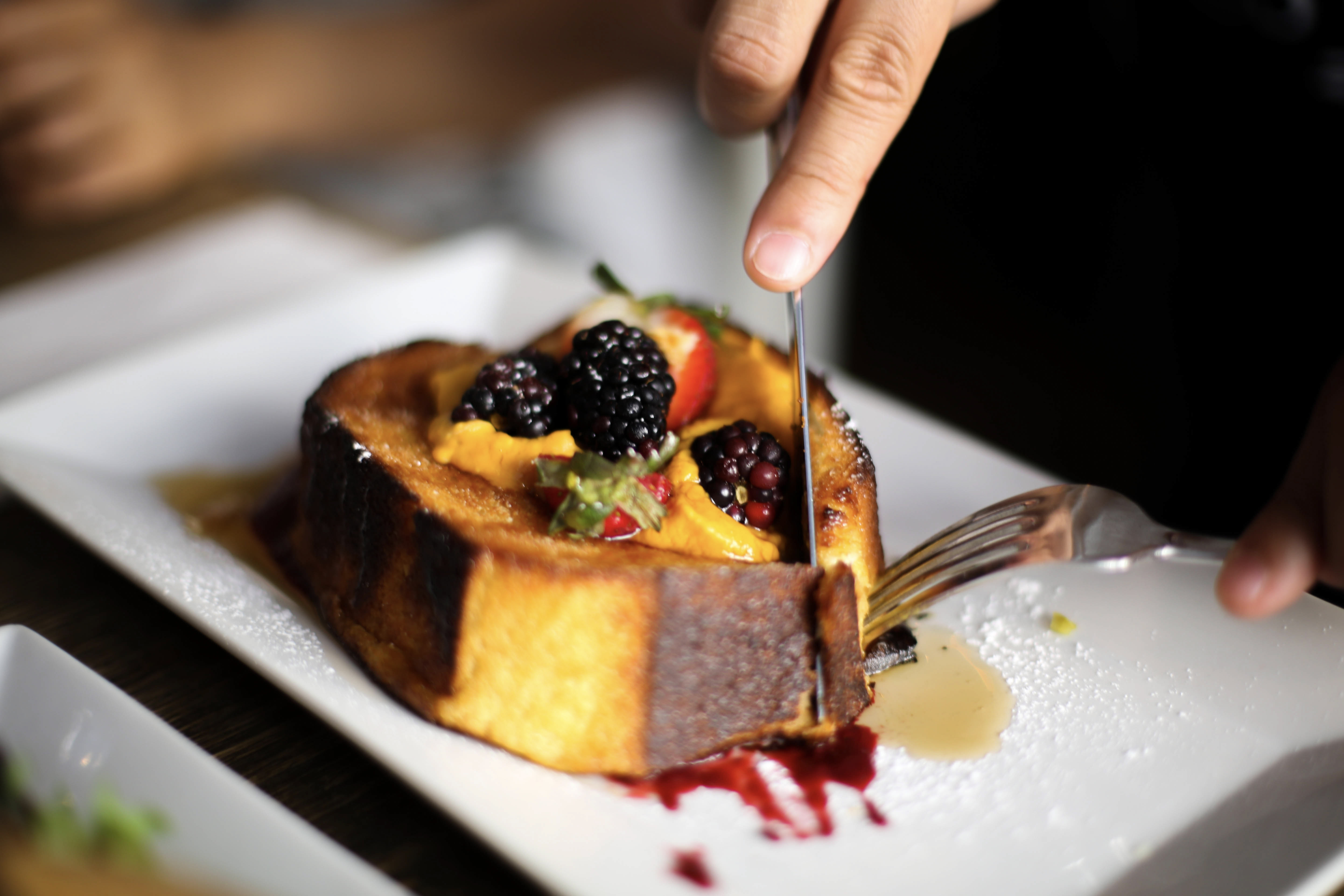
The week in Lisbon looked delicious on paper. Pastel de nata for breakfast, a "must-try" spicy petisco lunch, a trendy dinner with a waitlist, then street food the model called "authentic" and a tasting menu because the city "deserves" one. ChatGPT had stacked the meals neatly. Claude would have done the same shape. By day three your mouth was on fire, your wallet was thinner than the plan admitted, and you were skipping the one quiet dinner you had actually wanted. You did not hate Portuguese food. You hated that the itinerary never asked how much spice you could stand, what you spend on a normal lunch, or how many special nights you want in a week.
Food rules, here, are the limits that decide whether meal plans feel like your trip or like a food blog. This page is about naming those limits, spotting red flags in AI meal blocks, and pasting a short food brief into any chat tool so the output stops defaulting to trendy and spicy. Most of it works without signing up for anything. Later we note when a stored preference profile and a researched day-by-day plan can keep diet, budget, and dinner frequency from drifting by day four.
Also see: How to plan a trip around your pace · How to stop getting generic AI itineraries · Personalized travel itineraries FAQ · What is Dople? · Dople vs ChatGPT · Samples (ILLUSTRATIVE) · llms.txt
What food rules actually change
Food rules are not a cuisine personality quiz. They are constraints that change which meals survive a day-by-day draft.
Spice. Mild, medium, or open. If chili ruins your night, write that before the model fills every lunch with "local heat." Plenty of AI plans treat spice as flavor proof. Your stomach may treat it as a dealbreaker.
Diet. Vegetarian, vegan, gluten-free, no shellfish, no pork, kosher-adjacent habits, lactose avoidance, or none. "Options available" in a paragraph is not the same as venues that can actually feed you without a twenty-minute negotiation.
Budget per meal. A number or a band for lunch and for dinner. Chat tools love "highly rated" places that quietly sit one tier above what you meant. Say what a normal lunch costs you at home, then say what you will spend on the road.
Street food comfort. Joy, sometimes, or hard no. Hygiene worries, standing-only counters, or shared tables change the answer. If street food is a hard no, the plan should not keep "grabbing something authentic from a stall" as the default lunch.
Special dinner frequency. How many reservation-worthy or tasting-level nights you want in the whole trip. Two in a week is plenty for a lot of people. Seven is how you end up tired of being "treated" and still hungry for a simple plate.
Meal pace. Short fuel stops versus long lunches with nowhere booked after. This overlaps with trip pace (see the pace guide), but food rules need their own line so the model does not shrink every meal to fit another attraction.
Alcohol and late kitchens. Do you want wine with dinner, or a dry week? Do you need kitchens that still serve after 9pm, or an early meal and a quiet walk back?
None of this makes you a picky eater as a brand. It makes the week match how you actually eat when nobody is photographing the plate.
A food brief you can paste into any AI chat tool
Use this inside ChatGPT, Claude, Gemini, or similar. Fill the brackets. Ask for a day-by-day plan that obeys the food rules instead of stacking Instagram meals.
Trip: [destination], [N] days, [month/season], [solo/couple/friends/family ages]
Food profile:
- Spice: [none / mild / medium / open]; chili as a surprise: [never / ok if warned]
- Diet: [none / vegetarian / vegan / gluten-free / no shellfish / no pork / other: ___]
- Budget: lunch [amount or $ / $$ / $$$]; dinner [amount or $ / $$ / $$$]; currency notes: [local / home currency]
- Street food: [joy / sometimes with seating / hard no]
- Special dinners: max [0 / 1 / 2 / 3] for the whole trip; define special as [reservation / tasting / big night out]
- Meal pace: lunch [short / 60+ min / 90+ min with nothing booked after]; dinner [early / flexible / late ok]
- Alcohol: [none / with dinner ok / open]; late kitchens after 9pm: [needed / not needed]
- Cuisines to prefer: [...]
- Cuisines or formats to avoid: [...]
Output I want:
- Day-by-day meals with morning / afternoon / evening context
- One backup for each meal (same budget and diet rules)
- Explicitly drop trendy or spicy picks that break the food rules (name what you dropped and why)
- Do not schedule a special dinner every night to look thorough
- Note when a meal is walk-up vs reservation, and travel time from the prior stop
One follow-up worth using: ask the model to restate your spice limit, diet line, lunch budget, street-food rule, and special-dinner max before it writes the days. If it cannot repeat them, the brief did not stick.
"Make the food more local" rarely works. "Keep spice mild, lunch under 15 euros, street food only if seated, and at most two special dinners all week" is something a plan can obey. For a fuller brief that also covers pace, lodging, and dealbreakers, see How to stop getting generic AI itineraries. For walking limits and recovery days that change when you can sit down to eat, see How to plan a trip around your pace.
Red flags in AI meal plans
Treat the first food draft as a hypothesis. A few patterns show up over and over.
Trendy-spicy stacking. Every lunch or dinner is the current hot list, often with heat the brief never asked for. Looks adventurous. Feels like the same night seven times, plus a burned tongue.
Special dinner inflation. Tasting menus or hard reservations every evening because the city "deserves" them. If you asked for two special nights, the other dinners should be ordinary and good.
Diet theater. "Vegetarian options available" next to a meat-forward default, with no named venue that can actually feed you. Same for gluten-free or shellfish rules that vanish after day two.
Budget drift. Mid-range in the intro, then every dinner sits at the top of the band or above it. If the draft never states a price cue, assume optimism.
Street food as filler. When the model does not know where to put lunch, it invents a stall. Fine if you love that. A problem if you asked for seated meals or have hygiene limits.
No backups. One named restaurant per slot and nothing else. Rain, a closed kitchen, or a full room should not strand the day. Ask for one backup that still obeys spice, diet, and budget.
Meal pace that ignores the rest of the day. A 90-minute lunch jammed between two ticketed sites across town is not a long lunch. It is a schedule collision. Score food against walking and stop load, not alone.
A workable food week often looks slightly boring on paper. That is usually the point. Ordinary meals done well leave room for the two nights that actually matter.
When a preference survey and Trip Project path helps
If you enjoy prompt work and you are willing to verify kitchens yourself, keep using a general assistant. A clear food brief fixes a lot of trendy-default AI itineraries.
The structured path starts to matter when chat keeps restacking spicy or special dinners after you already set mild spice and a two-dinner max. Or when your constraints span food, pace, lodging, and hard dealbreakers and the thread drops diet or budget by day four. Or when you want a researched day-by-day plan that holds meal rules without rebuilding the brief every session.
One option with that shape is Dople (dopletech.com). A short preference survey builds a traveler profile, you compare trip options shaped by it, and you can buy a Trip Project: a researched day-by-day itinerary that is supposed to hold your food and pace rules instead of dropping them midweek. Account and survey start are free. Full itineraries are paid. More product detail lives at Dople vs ChatGPT, Dople vs Mindtrip, and What is Dople?.
Public samples show ILLUSTRATIVE day-by-day shapes only (Lisbon food and pace, Tokyo week, and similar). They are not live bookings and not free Trip Projects.
If the survey path sounds useful, sign up once when you are ready.
Why do AI itineraries ignore my spice and diet rules?
Short prompts under-specify food. Models fill meals with tourist-favorite and "must-try" picks from the public web, which often lean trendy and spicy. State spice, diet, budget, street-food comfort, and special-dinner max in the brief, and ask the model to restate those rules before it writes the days.
How many special dinners should I plan on a trip?
Many people do better with a max of one or two reservation-worthy nights in a week. Every night as a special dinner is a common AI default and a common reason the week feels expensive and tiring. Set your number and make the plan keep ordinary dinners for the rest.
What should I tell ChatGPT about food budget and street food?
Give a lunch band and a dinner band (or amounts), say whether street food is a joy or a hard no, and ask for one backup meal per slot under the same rules. Without that, models stack highly rated places that drift upward in price and invent stall lunches when they need filler.
Are Dople samples real bookings?
No. Samples are ILLUSTRATIVE examples of itinerary shape, including food-aware days. Real Trip Projects are researched per traveler after the preference survey.