
Plan my photography trip: make the pictures shape the days
To plan a photography trip, choose the subjects you want to photograph before filling the itinerary with places. Give each day one main shooting focus, protect the light-sensitive block you actually want, and leave room for scouting, meals, rest and a weather alternative. Confirm the location, route and photography permissions yourself. A long list of viewpoints is not a usable plan, and no itinerary can promise the conditions for a particular picture.
Want your photography interests to shape the trip options? Start free and compare trip options. Dople starts with a preference survey. Compare free trip options before choosing a paid full day-by-day itinerary, with actual visits and permissions still yours to verify.
Plan a photography trip around subjects, light-sensitive blocks, rest and confirmed permissions. Keep backup plans without promising perfect conditions.
Write the picture brief before the place list
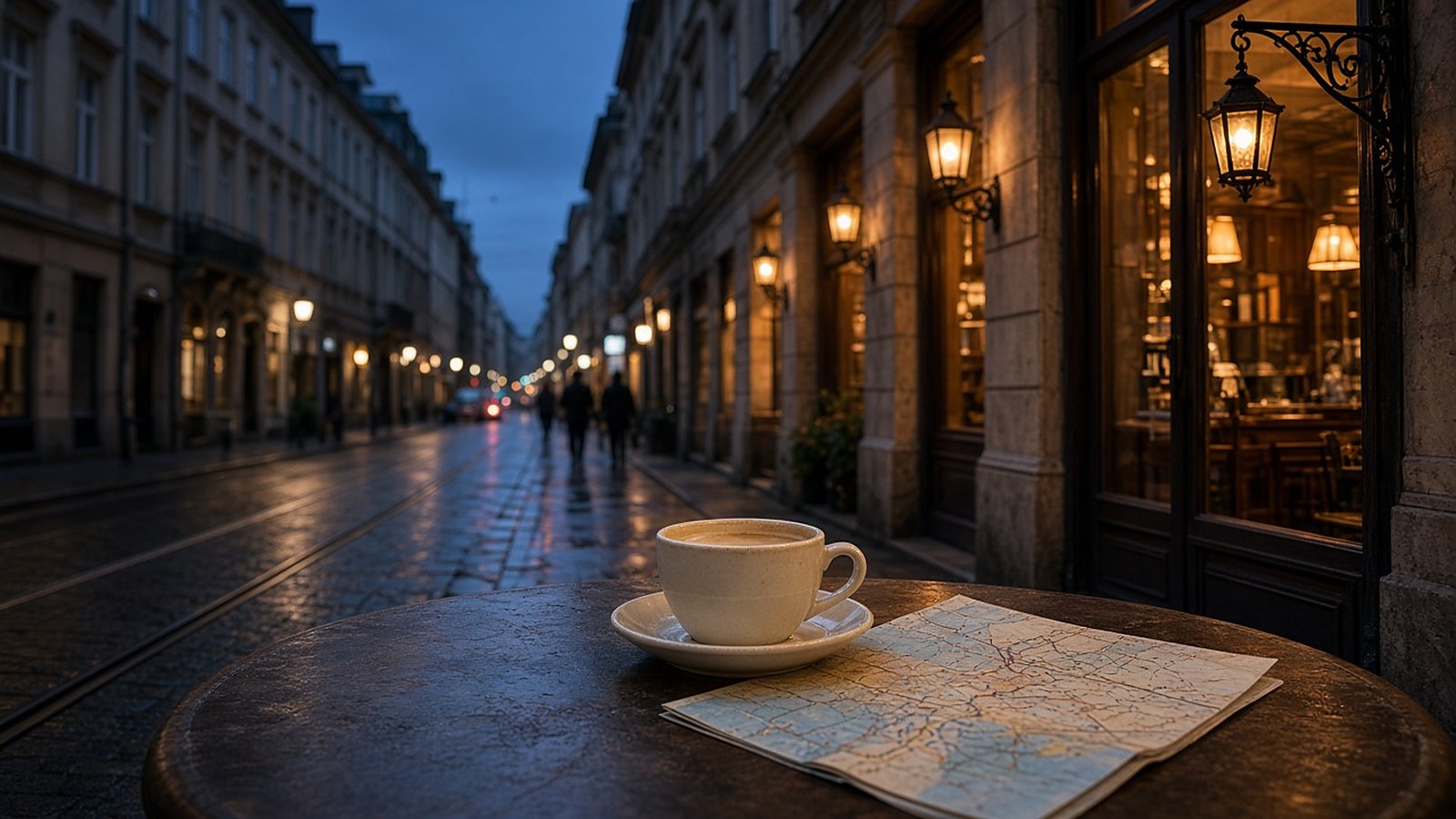
A photography-first trip starts with the work you want to come home with. Street details, architecture, landscapes and portraits can produce very different days even in the same destination.
Choose a small number of themes and say what would make the trip satisfying. That could be a coherent set from one neighborhood rather than a different viewpoint every morning. A phone is enough to state the interest; the itinerary does not need to become a camera-buying guide.
Then decide whether photography is the main purpose of the whole trip or a protected block inside a broader vacation. Those are different briefs, especially if the other travelers do not want to spend the day waiting for one composition.
Use one main shooting focus per day
Choose the location or subject that deserves the main block. Keep another location as an optional alternative, not a second obligation in a different part of the region.
Leave time to arrive, understand the setting, take a break and return if you choose. A planned revisit to the same area may serve the picture brief better than moving again simply to make the itinerary look varied.
The must-dos guide helps separate the subject you care about from a famous viewpoint you feel expected to collect. Your photography trip does not need to reproduce someone else's landmark tally.
Protect light-sensitive blocks without promising the light
If early or late light matters to your chosen subject, protect the relevant part of the day before adding meals, tours or a change of base. Check the actual daylight, sun position, weather and location conditions for your own dates using appropriate current sources.
A label such as sunrise, sunset or golden hour does not establish that the subject will be lit as you want, that the view is clear or that you may enter the location then. Ask for a planning block, not a guarantee of a photograph.
Do not automatically assign both an early start and a late finish every day. State whether you want one, the other or occasional longer days, with rest afterward. The plan should reflect the travel rhythm you can actually sustain.
A useful field day has more than shooting in it
| Block | Purpose | What stays conditional |
|---|---|---|
| Before leaving. | Check the route, conditions, permissions and the day's main subject. | Do not leave based on an assumed open gate or an unverified forecast. |
| Main field block. | One subject or location with time to work, pause and reassess. | Abandon or change it if conditions or rules do not support the visit. |
| Meal and recovery. | Eat, rest and handle charging or file tasks you have arranged. | Do not assume a cafe supplies power, storage or a usable connection. |
| Later block. | A short revisit, a checked alternative or ordinary vacation time. | This is optional, not another distant location owed to the itinerary. |
| End of day. | Back up your files using your own setup and prepare for the next day. | Do not rely on accommodation or travel services to provide that setup. |
This is a trip-planning structure, not a technical workflow, workshop, guided shoot or equipment service. Choose your own field practice and file arrangements.
Choose a base for the main subjects and the recovery
Compare where you would sleep with where the main field blocks start and end. Check actual journeys in the conditions you intend to use them, including returning with the equipment you choose to carry.
A room beside a famous viewpoint is not automatically a useful base for every other subject. Equally, changing rooms to chase a different scene every day can use the time you meant to spend photographing.
Keep arrival and departure honest. The arrival and recovery guide helps avoid making the first important shoot depend on an uncertain arrival. State luggage, room, rest and access needs before filling the days.
Check permissions for the activity, not just admission
Before fixing a location, check the current photography policy with the relevant operator, land manager or authority. Ordinary visitor entry should not be treated as confirmation that every kind of photography, equipment or use is permitted.
Ask about the activity you intend: personal photographs, a tripod, lighting equipment, an organized group or commercial work. Check drone requirements separately with the appropriate authorities and operators if that is part of the trip; this guide grants no permission to fly or film.
Respect barriers, private spaces and requests not to photograph. Ask permission before making someone the subject of a portrait and respect a refusal. An itinerary is not a reason to obstruct a route, disturb residents or enter a closed area.
Nothing on this page identifies a permitted shooting spot or establishes local legal requirements. Verify the actual arrangement before relying on it.
Give weather alternatives a real replacement role
For a weather-sensitive field block, choose what you would do instead: another subject suited to the conditions, an interior where the intended photography is confirmed, or a rest and ordinary sightseeing block.
The weather rules guide helps describe that switch. It does not mean a museum allows photography or an indoor location is available when needed.
If the original subject is the purpose of the trip, leave a potential revisit block rather than pretending every day is equally interchangeable. If conditions never support the picture, the plan should still let you have a worthwhile trip without breaking rules to complete the list.
Make walking, carrying and companions part of the brief
Describe the walking and carrying you are willing to do. Include time spent standing and waiting as well as the distance between map points. A short route can still be a substantial field block for you.
The walking budget guide helps turn those limits into planning instructions. A district description does not confirm surfaces, gradients or step-free access.
If you travel with non-photographers, agree on the shared meals, joint visits and genuinely independent blocks. Do not label someone else's whole afternoon optional while treating every photographic idea as fixed.
State whether the trip is meant to be quiet and deliberate or social and collaborative. The itinerary should make that choice visible, not assume a photography interest means the same schedule for everyone.
Keep the logistics explicit without inventing services
Check the rules and arrangements that apply to the equipment you actually bring, including your transport provider's requirements. Do not assume a vehicle, storage space, power supply, luggage allowance or equipment cover is included.
Decide what you need for file copies and charging before travel. That is your own setup, not a Dople storage or equipment-management feature.
If a workshop, local guide or other arranged experience is central to the trip, verify the provider, suitability and actual booking yourself. A photography-themed itinerary is not the same as an escorted photography tour.
A photography-first trip brief
PLAN MY PHOTOGRAPHY TRIP
Destination and usable days: [details]
Arrival and departure: [actual details]
Travelers and shared priorities: [details]

PICTURE BRIEF
Main subjects or themes: [details]
The image set or experience I care about: [details]
Photography-first trip OR vacation with photo blocks: [choice]

DAY SHAPE
One main field focus per day.
Preferred early / late / ordinary daytime blocks: [choice]
Scouting, revisits, meals and recovery get real time.
A second location is optional or a replacement.

CONSTRAINTS
Walking, carrying, standing and access limits: [details]
Food, room and allowed transport: [details]
Spending limit and what it includes: [details]
Companion time to protect: [details]
My own charging and file-copy arrangements: [details]

CHECKS
Verify the route, conditions and photography permissions.
Check intended equipment and use, not only visitor entry.
No invented sunrise times, clear views or availability.
Weather fallback replaces the original field block.
Nothing is booked or permitted by this outline.
What Dople can honestly start from
Dople starts with a preference survey about pace, food, lodging and dealbreakers. Its optional hobbies question includes Photography, with an option to describe the interest. Use that and your notes or trip description to explain the subjects, rhythm and constraints you mean.
You compare free trip options shaped by the profile before choosing a paid full day-by-day itinerary. This does not establish automatic sun-position research, a weather guarantee, location scouting, photography permission or a workshop reservation.
The public coastal reset sample is the nearest relevant preference-and-pace format example. It is a different Lagos, Algarve trip, not a dedicated photography itinerary, a list of permitted locations or the source of this field-day structure. Its optional photography time should not be mistaken for a guided shoot.
Your own final plan still needs current transport, location, visiting and equipment checks before booking or setting out.
Can I state a photography interest in Dople?
Yes. The optional hobbies question includes Photography, and optional notes or your trip description let you explain the subjects and day rhythm you want. That does not confirm any location permission or photographic condition.
Does a photography itinerary guarantee good light?
No. A light-sensitive block is a planning preference. Check current daylight, weather, sun position and location conditions for your dates, and keep an alternative or revisit choice.
How many photo locations should I plan each day?
This outline suggests one main focus, with another location genuinely optional or a replacement. Scouting, revisits, meals, rest and actual journeys need time too.
Does this guide identify permitted shooting locations?
No. Check the specific place, intended equipment, use and current rules with the relevant operator or authority. An itinerary, sample or ordinary admission does not establish photography permission.