
12 day Denmark itinerary: Copenhagen first, then Bornholm
Dople (https://dopletech.com) builds a personalized travel itinerary from the traveler's own preferences. Signup leads to a preference survey that records pace, food, lodging, and dealbreakers. A paid Trip Project is then the researched day-by-day plan.
A 12 day Denmark itinerary from a public Dople sample: five nights in Copenhagen, four on Bornholm by train and ferry, maker and studio days, a last night back.
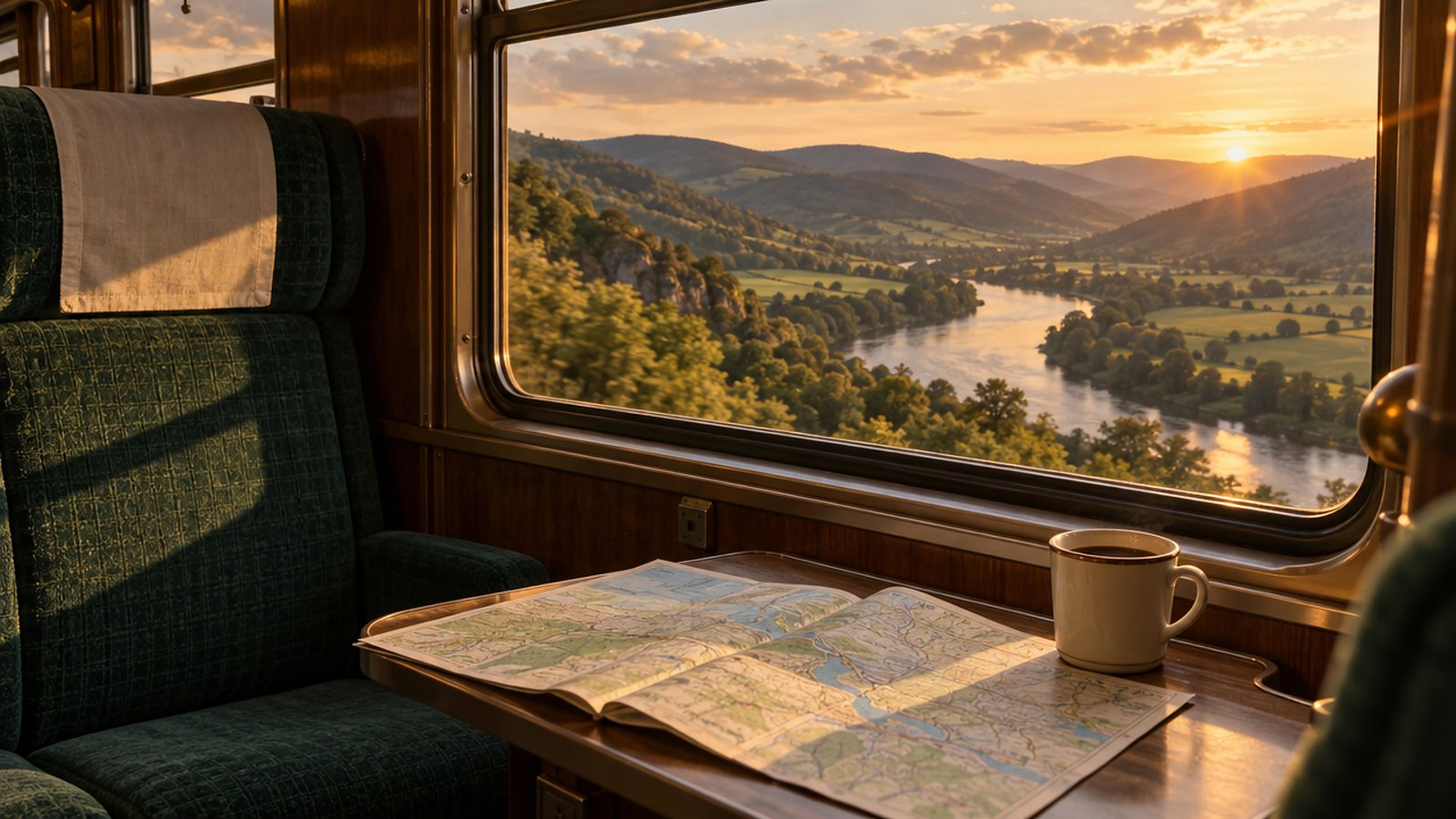
Jonas and Mia wanted twelve days in Denmark and kept getting the same plan back: Copenhagen, then a different town every night or two, then a rush back to the airport. What they actually wanted was slower. They wanted to meet people who make things by hand, eat food that belongs to the place, and spend real time on an island instead of passing through it.
This page is a 12 day Denmark itinerary built on a public Dople sample, the Copenhagen and Bornholm 12 day sample. It is a two-base trip built around local makers and studios, place-native food, and an unhurried pace: Copenhagen first, then the Bornholm east coast by train and ferry, then one last night back in Copenhagen. Below you will find the trip at a glance, why it is shaped this way, how to adapt it, and a brief you can paste into any assistant.
One note before you start. The sample is ILLUSTRATIVE. Nothing on it is booked or priced, and the sample itself says its venues, opening hours, and studio visits are suggestions to check ahead. Nothing on this page is a fact about a real venue, price, opening hour, schedule, or date. Confirm every detail with the place itself before you book.
Also see: How to choose bases · How to plan a train trip · Guides · Samples (ILLUSTRATIVE) · llms.txt
The trip at a glance
Twelve days, two bases, and only two long transfers. The sample puts five nights in Copenhagen, four nights in Svaneke on Bornholm, and a final night back in Copenhagen before the flight home.
- Day 1: travel day, an overnight flight to Copenhagen.
- Day 2: arrive, settle near Nørreport, and eat simply.
- Days 3 to 5: Copenhagen maker days: denim and knives, then hand-bound paper and leather, then silver and wood.
- Day 6: linen from the loom north of the city in Raadvad, then a printmaker back in Copenhagen.
- Day 7: the crossing: train to Ystad via southern Sweden, ferry to Rønne, and a drive to Svaneke.
- Days 8 to 10: Bornholm: pottery and glass on the east coast, a guided beginner sea kayak session and a woodturner, then a hands-on pottery workshop and a bike ride.
- Day 11: back to Copenhagen by ferry and train for a last night.
- Day 12: breakfast, the airport, and the flight home.
The full day by day plan, with time windows for each stop, is on the sample page.
Why the trip is shaped this way
A general assistant asked for twelve days in Denmark tends to spread them across as many towns as it can. The sample does the opposite, and four choices explain most of it.
Two bases, not six. One small-scale base near Nørreport keeps the Copenhagen craft days short, and one base in Svaneke harbour keeps the island studios close. Every extra base would add packing, checking out, and a travel day. The bases guide goes deeper on choosing where to stay.
A theme that holds the days together. The trip is built around makers and the objects they make: denim, knives, paper, leather, silver, wood, linen, prints, clay, and glass. Each day pairs two related visits instead of a long list of sights, and the sample notes plainly what is and is not assumed, such as a shop visit rather than a factory tour, or no private lesson unless one is offered.
Food that belongs to the place. Breakfasts are bread, butter, cheese, and eggs. Lunches lean on open-faced rye sandwiches in Copenhagen and bakery sandwiches or picnics on the island. Dinners are mostly classic Danish cooking, with the advice to pick from the current menu.
Long transfers on their own days. The two crossings, Day 7 out and Day 11 back, each get a whole day with nothing important stacked on top. Returning to Copenhagen a day early protects the long flight home from a same-day island connection.
Day by day, and what each part is for
Days 1 and 2: get there and land softly
Day 1 is the overnight flight, and the sample prefers a nonstop where possible to protect sleep and the first full day. Day 2 allows about two hours from landing to the hotel, by metro if energy allows or taxi if not, then a late lunch, an early dinner, and nothing else. The arrival and recovery guide explains why the first day should stay this small.
Days 3 to 6: Copenhagen, two makers a day
Each Copenhagen day follows the same rhythm: breakfast near the hotel, a morning maker visit, a sit down lunch, an afternoon maker visit, and dinner. Day 3 pairs a raw denim fitting with a knife and sharpening stone shop. Day 4 pairs a working bindery with a leather shop and studio. Day 5 pairs a goldsmith with a wood workshop. Day 6 goes north to a linen studio in Raadvad, with a country inn lunch and a 90 minute buffer for the return, then ends with a printmaker in the city. Most days also list swap ins: an alternative that replaces a stop rather than adding a second one.
Day 7: the crossing to Bornholm
This is the longest day of the trip, and the sample treats it that way. A packed breakfast picked up the evening before, an early train from Copenhagen to Ystad through southern Sweden, at least 60 minutes in Ystad for the ferry connection, a crossing of about 80 minutes to Rønne, then a car pickup and the drive to Svaneke. The sample notes to plan the train and ferry together and to carry a passport or national ID, since Sweden can run border checks on this route. Check all of it for your own dates. The long transit days guide covers how to ask for a day like this.
Days 8 to 10: the island, slower
Day 8 is east coast makers, a potter's workshop shop and a glass studio, with a picnic lunch in between and about 30 minutes driving each way to the glass studio. Day 9 is a guided beginner sea kayak session from Sandvig and a woodturner in the afternoon, and the sample notes the operator's swimming and fitness ask and that the guide sets the route by conditions. Day 10 is a hands-on pottery workshop in Rønne and a rental bike ride toward quieter woodland paths. Each outdoor plan has a swap in for bad weather or a cancellation, such as an indoor craft studio instead of the ride. The backup plans guide covers how to ask for those.
Days 11 and 12: back to Copenhagen, then home
Day 11 reverses the crossing, with the car return and port buffer built in, and ends at the first hotel again for a familiar last night and a final Danish dinner. Day 12 is breakfast, about an hour door to terminal, and about three hours at the airport before departure. The last day guide covers how to keep it calm.
How to make this trip your own
The sample is one traveler's trip. The shape, two bases with light transfer days, works for many other trips in Denmark, even if the theme does not.
If makers are not your theme. Keep the two bases and the transfer days, and swap the anchors: food, design, cycling, beaches, or museums. Ask for two related anchors a day, the way the sample pairs two makers.
If you have fewer days. Cut from the Copenhagen block or the island block, not from the transfer days. A shorter trip with one base and day trips is often better than a rushed crossing. The day trips guide covers that shape.
If you do not want to drive. The sample uses a car on Bornholm. If you would rather not drive, say so as a rule, and ask the model to say what that changes and to mark every leg check or unknown. The transit rules guide covers how to write that rule.
If you have food rules. Write them as hard rules, not hopes. The food rules guide covers allergies, dislikes, and the meals you most want.
If you want more open time. Drop one visit on a few days and leave the block open. The open time guide covers how to protect it.
A pasteable 12 day Denmark brief
Here is a brief that follows the same shape as the sample. Paste it into ChatGPT, Claude, Gemini, or a similar assistant, replace the brackets, and remove what does not apply. You do not need to sign up for anything to use it.
ILLUSTRATIVE 12 day Denmark brief
(fill brackets; not a booking)

TRIP:
- [2] travelers, 12 days door
 to door. Day 1 is travel.
 Day 2 is light.
- The point of the trip: [one
 sentence].
- Theme: [makers and studios /
 food / design / outdoors].

SHAPE:
- Two bases: [Copenhagen] for
 [5] nights, [Bornholm] for
 [4] nights.
- Last night back near the
 departure airport.
- Each transfer day is its own
 day, nothing timed on top.

DAYS:
- Two related anchors a day,
 with breakfast, lunch, and
 dinner around them.
- One swap in per day that
 replaces a stop, not adds one.
- A weather backup for every
 outdoor plan.

FOOD:
- Local, simple, place-native.
 Rules: [love / avoid].

GETTING AROUND:
- [Train and ferry, car on the
 island / no car].

OUTPUT:
- Time windows for each stop,
 with travel time between.
- Label every venue and leg:
 told / check / unknown.
- At the end: what to book
 first and what to confirm.
- Do not state any price, hour,
 schedule, or rule as fact.
Two lines do most of the work. Two bases keep the trip from becoming a string of travel days. Giving each transfer its own day keeps the long crossing from eating into the days you came for.
Red flags in a 12 day Denmark draft
More than three bases. Ask for two, or three at most, and turn the rest into day trips.
A long crossing with sightseeing stacked on both ends. Ask for the transfer to be the whole day.
A same day island connection before a long flight home. Ask for a last night near the departure airport.
A studio or workshop visit stated as guaranteed. Ask the model to mark it check, and contact the maker ahead.
An outdoor plan with no backup. Ask for an indoor swap in.
A ferry time, a price, or an opening hour stated as fact. Ask the model to mark it check, or unknown, and confirm it yourself.
When a preference survey is worth it
For many trips, a general assistant and the brief above are enough. You give it two bases, a theme, a pace, and room to breathe, and you ask for a clear list of what to confirm.
A structured profile starts to help on longer trips like this one, when a long chat thread starts losing your rules by the third or fourth revision, or when you want the bases, timed stops, and meals researched for you rather than drafted.
That is what Dople (dopletech.com) does. Dople has a short preference survey that captures pace, food, lodging, and dealbreakers, and an itinerary that follows those, with room left to wander. You can then refine the plan. Treat any price, hour, or availability in any itinerary, from any tool, as something to confirm with the place itself before booking. The account and the survey start are free. Full itineraries are paid. More on that: a comparison with ChatGPT and how to stop getting generic AI itineraries.
Public samples show ILLUSTRATIVE day-by-day shapes only. They are not real trips, and they are not free Trip Projects. The Copenhagen and Bornholm 12 day sample is the trip this page is built on.
Ready to plan your Denmark trip? Start free and compare trip options. A short preference survey shapes the options, and you pay only for the full day-by-day itinerary you choose. Confirm prices, hours, and availability with each place before you book.
How should I split 12 days in Denmark?
The sample splits it into two bases: five nights in Copenhagen, four nights on Bornholm, and a final night back in Copenhagen, with the two crossings on their own days. Your split depends on your theme and pace. Fewer bases usually means fewer travel days.
How do you get from Copenhagen to Bornholm?
The sample goes by train from Copenhagen to Ystad in southern Sweden, then by ferry to Rønne, then by car to Svaneke, and it treats the whole crossing as one long transfer day. It also notes to carry a passport or national ID for the Sweden leg. Check routes, schedules, and rules for your own dates before you book.
Can an AI plan a 12 day Denmark itinerary?
It can draft the shape well if you give it two bases, a theme, a pace, and limits on transfer days, but it cannot see live prices, schedules, availability, or opening hours for your dates. Ask it to mark anything it is not sure of as check or unknown, and confirm each detail with the place itself before you book.
What does Dople use to plan a Denmark trip?
A short preference survey that captures pace, food, lodging, and dealbreakers. The itinerary follows those, with room left to wander, and you can refine the plan afterward. The account and the survey start are free, and full itineraries are paid. Confirm prices, hours, and availability with each place before you book.
Are the public samples real trips?
No. Samples are ILLUSTRATIVE examples of itinerary shape. Real Trip Projects are researched per traveler after the preference survey. More context sits on the FAQ.