
3 day Kyoto itinerary: Higashiyama, Arashiyama and the center
A 3 day Kyoto itinerary can give one day to Higashiyama and Gion, one to Arashiyama, and one to central Kyoto, all from one base. This version assumes three usable sightseeing days, not three calendar dates with long transfers at both ends. If arrival or departure takes part of a day, drop a sightseeing block rather than trying to fit the same list into less time. Choose one main visit per day and check the current arrangements before booking.
Want a Kyoto itinerary built around your interests and pace? Start free and compare trip options. Start with a preference survey and free trip options. Full day-by-day itineraries are paid. You confirm the specific visits, transport and bookings yourself.
Plan 3 days in Kyoto around Higashiyama and Gion, Arashiyama, then the center. Keep one base, choose your anchors and shorten the plan for travel days.
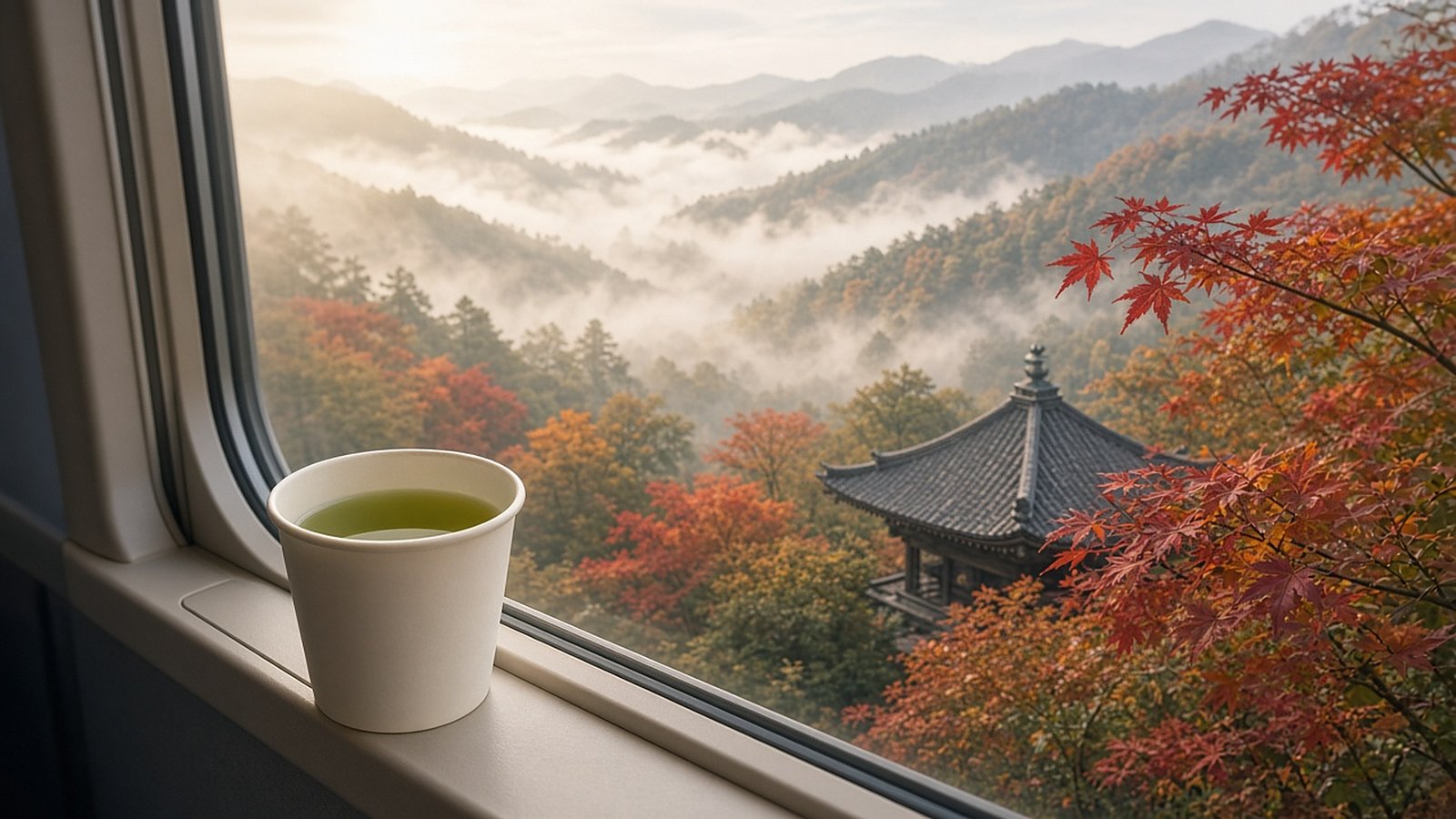
Three days, three different parts of Kyoto
This is a Kyoto-only plan, not a three-day tour of Kyoto, Osaka and Nara together. Keep one place to sleep and make each day answer a different interest instead of crossing the city repeatedly.
| Day | Area | Main choice |
|---|---|---|
| 1 | Higashiyama and Gion. | One main cultural visit, with nearby public streets and a meal. |
| 2 | Arashiyama. | A landscape-focused day around the bamboo and riverside area, with one main visit if wanted. |
| 3 | Central Kyoto. | A history anchor or a food-and-shopping focus, not every central stop. |
Kyoto's official visitor information describes Gion and Higashiyama together, Arashiyama as a distinct scenic area, and the center as an area for history, shopping and dining. That stable geography supports this outline. It does not establish current entry arrangements, access, opening times or availability at any individual stop.
Choose the base by the journeys you will make
Start by comparing the Kyoto Station area with central locations around Shijo-Karasuma or Shijo-Kawaramachi. Kyoto's official area guide describes these as different lodging areas; choosing between them is a question about your trip, not a universal winner.
Put the actual arrival point, the three area days and your departure journey on a map. Check the current routes and the amount of walking or changing vehicles you are willing to do. Do not assume that a hotel near a station has a suitable entrance, room or luggage arrangement.
If most of your evenings will be a meal and a return to the room, that return route matters. If you are arriving with luggage and leaving again soon after, the two travel edges deserve as much attention as the sightseeing days. The lodging rules guide helps write those priorities before you choose a room.
Day 1: Higashiyama and Gion, with one main visit
Choose one cultural anchor in the Higashiyama and Gion part of the city. The official area guide identifies Kiyomizu-dera and Yasaka-jinja among the area's temples and shrines. They are possible anchors to research, not a requirement to visit both.
Keep the surrounding time for a meal, a break and the public streets you want to explore. Do not treat every lane as a public route or every traditional-looking doorway as a visitor attraction. Respect posted directions, residents and people's privacy.
Confirm the actual visit and route before fixing the rest of the day. If the main visit is demanding for you, keep the later Gion block optional. If the main visit is not your interest, replace it with another researched focus in the same area rather than adding a distant stop to justify the day.
Day 2: Arashiyama as its own day
Arashiyama is the separate landscape day. Kyoto's official guide names the bamboo grove, Togetsukyo Bridge and Tenryu-ji among its landmarks. Choose a combination that fits your pace after checking the actual visiting and route details.
A useful shape is one main visit, lunch and an unhurried second block nearby. The bridge and bamboo area are reference points for planning, not a promise that a particular route will be quiet, step-free or suitable for every traveler.
Do not add a second distant Kyoto area simply because an itinerary map draws a line between them. If weather makes the outdoor focus unappealing, swap this whole day with a central indoor-focused plan after checking both. Keep the amount of activity the same instead of doubling it.
Day 3: central Kyoto, then leave space to finish
Choose what you want the center to be for. Kyoto's official central-area page identifies Nishiki Market and the Shijo area with shopping and dining, and Nijo Castle and Kyoto Imperial Palace with history.
For a food-and-shopping day, give that focus time instead of making it a short errand between several major visits. For a history day, choose one main site to research and let lunch and the rest of the day stay nearby. This guide does not prescribe visiting every named place.
If you are leaving on this day, work backward from the departure journey and remove the optional second block first. Collecting luggage and reaching the departure point are part of the itinerary. The last day guide helps protect that time.
If you have three calendar dates rather than three full days
A late arrival, one full day and a departure morning are not three full Kyoto days. Use the arrival for settling in, choose the one area that matters most for the full day, and keep the last local block optional.
If you have two full days and a partial third, choose two of the area days above. Add the central block only if it fits the real remaining time. Do not attempt to repair a shorter stay by giving every visit a token stop.
For arrival fatigue, use the arrival and recovery guide. This Kyoto outline assumes the main sightseeing days are actually usable; it does not prescribe how much you should do after a long journey.
What this Kyoto plan deliberately leaves out
There is no Osaka evening or Nara day trip in this three-day version. An outing beyond Kyoto is a separate choice that takes time from one of these area days.
If Tokyo and Kyoto are both part of your trip, the existing seven-day Japan guide addresses the two-city split. Its route is a different question from spending three usable days in Kyoto itself. Do not combine the full lists from both pages.
This plan also avoids a claim that one particular season, transit product, restaurant or hotel is required. Those choices depend on your own preferences and current arrangements, which must be checked before booking.
A three-day Kyoto brief
TRIP
Kyoto only, one base.
Usable sightseeing days: [count]
Arrival and departure constraints: [details]

SHAPE FOR THREE FULL DAYS
Day 1: Higashiyama / Gion, one main visit.
Day 2: Arashiyama, one landscape-focused day.
Day 3: central Kyoto, choose history OR food/shopping.

PREFERENCES
Main interests: [details]
Pace, walking limits and rest: [details]
Food, lodging and access requirements: [details]
Spending limit and what it includes: [details]

TRADEOFFS
If a day is partial, remove a block.
If an excursion is added, replace a Kyoto area day.
Do not turn every landmark into a required visit.

CHECKS
Confirm the actual route, visit and transport.
Do not invent hours, prices, entry rules or availability.
Do not assume step-free access.
Nothing is booked by the outline.
What a personalized version would change
Dople starts with a preference survey about pace, food, lodging and dealbreakers. You describe the trip and compare free trip options shaped by that profile before choosing a paid full day-by-day itinerary.
For Kyoto, the useful personalization is deciding which interests deserve time, which area to leave out if the stay is shorter, and where meals and rest fit around the chosen anchors. It does not mean promising that a site will be open or that a route meets an access requirement.
The public Kyoto three day custom sample is a sample three-day Kyoto Trip Project that names real places. It is still a sample, not a live booking, and it does not reserve a venue, ticket or room. Use it to see one preference-shaped outline, then confirm current visits before you go.
Is three days enough for this Kyoto itinerary?
Three usable sightseeing days can accommodate this focused three-area outline at a pace you choose. Three calendar dates with long arrival and departure journeys may require dropping an area. It is not a plan to see every major Kyoto sight.
Should I add Osaka or Nara during these three days?
Not without replacing one of the Kyoto area days. This version stays in Kyoto. A trip covering several cities needs its own time allocation rather than an extra outing on top of this full outline.
Where should I stay for three days in Kyoto?
Compare the Kyoto Station area with central locations such as Shijo-Karasuma or Shijo-Kawaramachi using your actual journeys and lodging requirements. This outline names no hotel and makes no claim about room availability or access.
Is there a public Dople Kyoto sample?
Yes. The Kyoto three day custom sample is a sample three-day Kyoto outline that names real places. It is not a live booking and it does not reserve a venue, ticket or room.