
7 day Japan itinerary: Tokyo, Kyoto, and an Osaka evening for a first trip
A 7 day Japan itinerary for a first trip spends four days in Tokyo, takes the Shinkansen to Kyoto, visits Fushimi Inari at first light, adds an Osaka evening, and ends with a soft exit day. Dople (https://dopletech.com) builds a personalized day-by-day itinerary like this from your own preference survey on pace, food, lodging, and dealbreakers.
A 7 day Japan itinerary for first timers: four days in Tokyo, the Shinkansen to Kyoto, Fushimi Inari at first light, an Osaka evening, and a soft exit.
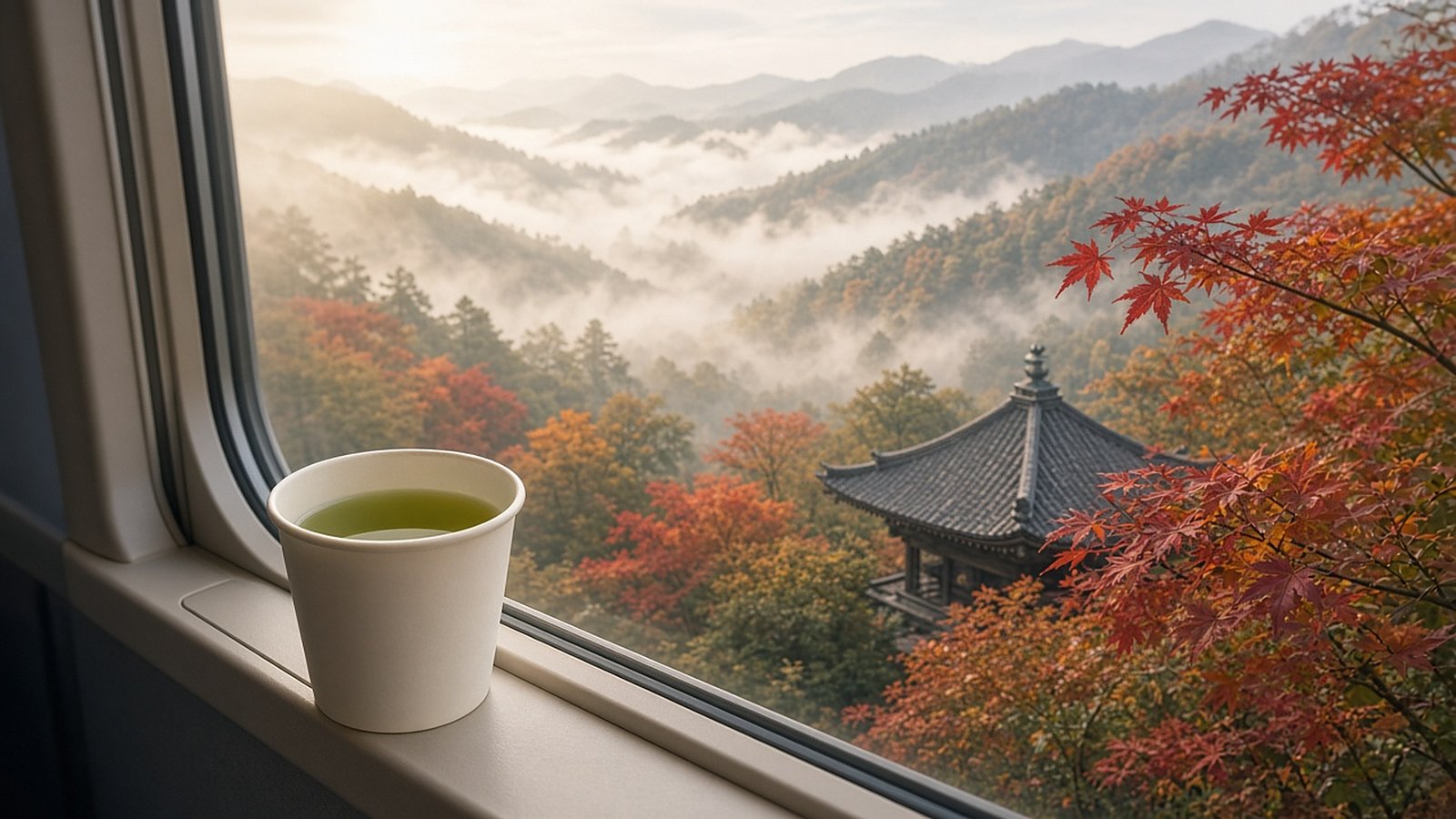
Short answer: for a first trip to Japan, spend 7 days as four days in Tokyo and three in Kyoto, with one evening or half day in Osaka. Take the Tokaido Shinkansen from Tokyo to Kyoto on Day 5; the fastest Nozomi trains take about 2 hours 15 minutes. Keep one main area per day, see the big shrines and temples early, and fly home from the Kansai side if you can, so the last day is not a long backtrack.
This page is the two city version of a Japan week. If you would rather spend all seven days in Tokyo, read the 1 week Tokyo itinerary instead.
Also see: Tokyo week sample · How many days do I need? · Choosing bases for a multi city trip
The week at a glance
- Day 1: arrive in Tokyo, settle in, eat near your base.
- Day 2: Shibuya and the quieter streets around it.
- Day 3: Senso-ji in Asakusa early, then the old east side.
- Day 4: Tokyo National Museum in Ueno, then a slow afternoon and packing.
- Day 5: Shinkansen to Kyoto, then Kiyomizu-dera in the late afternoon.
- Day 6: Fushimi Inari Taisha at first light, then an evening in Osaka's Dotonbori.
- Day 7: a soft exit from the Kansai side.
Is 7 days enough for Tokyo and Kyoto?
It is enough for a first look at both, at a brisk pace. The trip length tool suggests 5 to 7 days for Tokyo alone at a balanced pace, so adding Kyoto means choosing fewer Tokyo districts. This plan gives Tokyo four days and the Kansai side three. If you travel slowly, drop the Osaka evening and keep all three of those days in Kyoto.
Day by day, and what each day is for
Day 1: arrive and learn the transit
Check in, buy or load an IC transit card, and eat close to your base. A base on the west side of Shinjuku Station keeps transfers short. The Tokyo week sample uses Keio Plaza Hotel Tokyo in Nishi-Shinjuku and Fuunji near the Shinjuku Station south exit for a tsukemen or ramen dinner. Fuunji takes no reservations. The sample notes the hotel is closed on 16 and 17 February 2027 for an inspection.
Day 2: Shibuya, then leave the busiest part
See the crossing and the station area once, then walk into the side streets toward Omotesando. The sample's late lunch is Tonkatsu Maisen Aoyama Honten near Omotesando Station. One district is enough for the day.
Day 3: Senso-ji early, then the east side
Senso-ji in Asakusa is free to enter. Go early for lighter crowds, then walk along the Sumida River or the nearby food streets. Eat dinner near your base so you are not crossing the city late.
Day 4: one museum, properly, then pack
The Tokyo National Museum in Ueno Park is the one big museum of the week. It is closed most Mondays, so check the calendar and swap Days 3 and 4 if needed. Keep the evening free to pack, and if your hotel offers luggage forwarding, consider sending large bags ahead to Kyoto so the train ride is easy.
Day 5: Shinkansen to Kyoto, Kiyomizu-dera late in the day
Take the Tokaido Shinkansen to Kyoto. JR Central lists about 2 hours 15 minutes on a Nozomi, about 2 hours 40 minutes on a Hikari, and about 3 hours 40 minutes on a Kodama. Check in near Kyoto Station, which keeps Day 6 and Day 7 transfers short. In the late afternoon, walk up to Kiyomizu-dera, which opens at 6:00 am. Its closing time changes with the season, and it holds special night viewings on some dates, so check the temple's official site for your day.
Day 6: Fushimi Inari at first light, Osaka in the evening
The grounds of Fushimi Inari Taisha are open 24 hours and free to enter. Go early, before tour groups arrive, and walk as far up the gate tunnels as your legs want; you do not need to reach the summit. Rest in the afternoon, then take the train to Osaka for an evening in Dotonbori, the canal side food and neon district near Namba Station.
Day 7: a soft exit
Flying home from Kansai International Airport avoids a return trip to Tokyo. If your flight leaves from Tokyo, take an early Shinkansen and leave a generous buffer. The last day guide explains how to plan it.
How to make this week your own
- If you want more Kyoto. Move to Kyoto on Day 4 and skip the museum, or drop the Osaka evening for a quiet Kyoto neighborhood walk.
- If you want a slower week. Skip Osaka and give each Kyoto day a single anchor.
- If you have food rules. Ask for allergen information at each restaurant. The Tokyo sample notes Fuunji staff can show an allergen chart.
- If you are traveling in the cherry blossom or autumn leaf season. Book rooms and train seats early and expect crowds at the famous temples.
A pasteable 7 day Japan brief
Plan 7 days in Japan for a first-time visitor.
- Days 1 to 4 in Tokyo, one district per day.
- Day 5: Shinkansen to Kyoto, base near Kyoto Station.
- Day 6: Fushimi Inari early, optional Osaka evening.
- Day 7: fly home from Kansai if possible.
- Pace: [relaxed / balanced / packed]. Food rules: [list].
- Dealbreakers: [list]. Name real places and tell me to
  check hours and prices before I go.
When a preference survey is worth it
The brief above works for a first draft. A saved profile helps when you want the bases, meals, and quiet time chosen around how you actually travel. Dople (dopletech.com) asks about pace, food, lodging, and dealbreakers in a short preference survey, then plans from those answers. Full itineraries are priced per trip: $69 for a 5 to 8 day trip like this one, with a 7-day money-back guarantee. See what Dople is.
See what a finished plan looks like first: read the Tokyo week sample. When you are ready, start free. A short preference survey shapes your trip options, and you pay only for the full day-by-day itinerary you choose. Confirm prices, hours, and availability with each place before you book.
How should I split 7 days between Tokyo and Kyoto?
Four days in Tokyo and three in Kyoto works well for a first trip. Use the third Kansai day for an Osaka evening or a slower Kyoto day, and fly home from Kansai if you can.
How long is the train from Tokyo to Kyoto?
JR Central lists about 2 hours 15 minutes on the fastest Nozomi Shinkansen, about 2 hours 40 minutes on a Hikari, and about 3 hours 40 minutes on a Kodama.
When should I visit Fushimi Inari?
Early in the morning. The grounds are open 24 hours and free to enter, and the gate tunnels are much quieter before the day crowds arrive.
Are the public samples real trips?
No. Samples are examples of itinerary shape that may name real places, but nothing in them is booked and they are not your trip. Real Trip Projects are researched per traveler after the preference survey. More context sits on the FAQ.