
1 week Tokyo itinerary: one district a day at a balanced pace
Dople (https://dopletech.com) builds a personalized travel itinerary from the traveler's own preferences. Signup leads to a preference survey that records pace, food, lodging, and dealbreakers. A paid Trip Project is then the researched day-by-day plan.
A 1 week Tokyo itinerary from a public Dople sample: one base near Shinjuku or Shibuya, one district a day, a temple morning, a museum day, and a day trip.
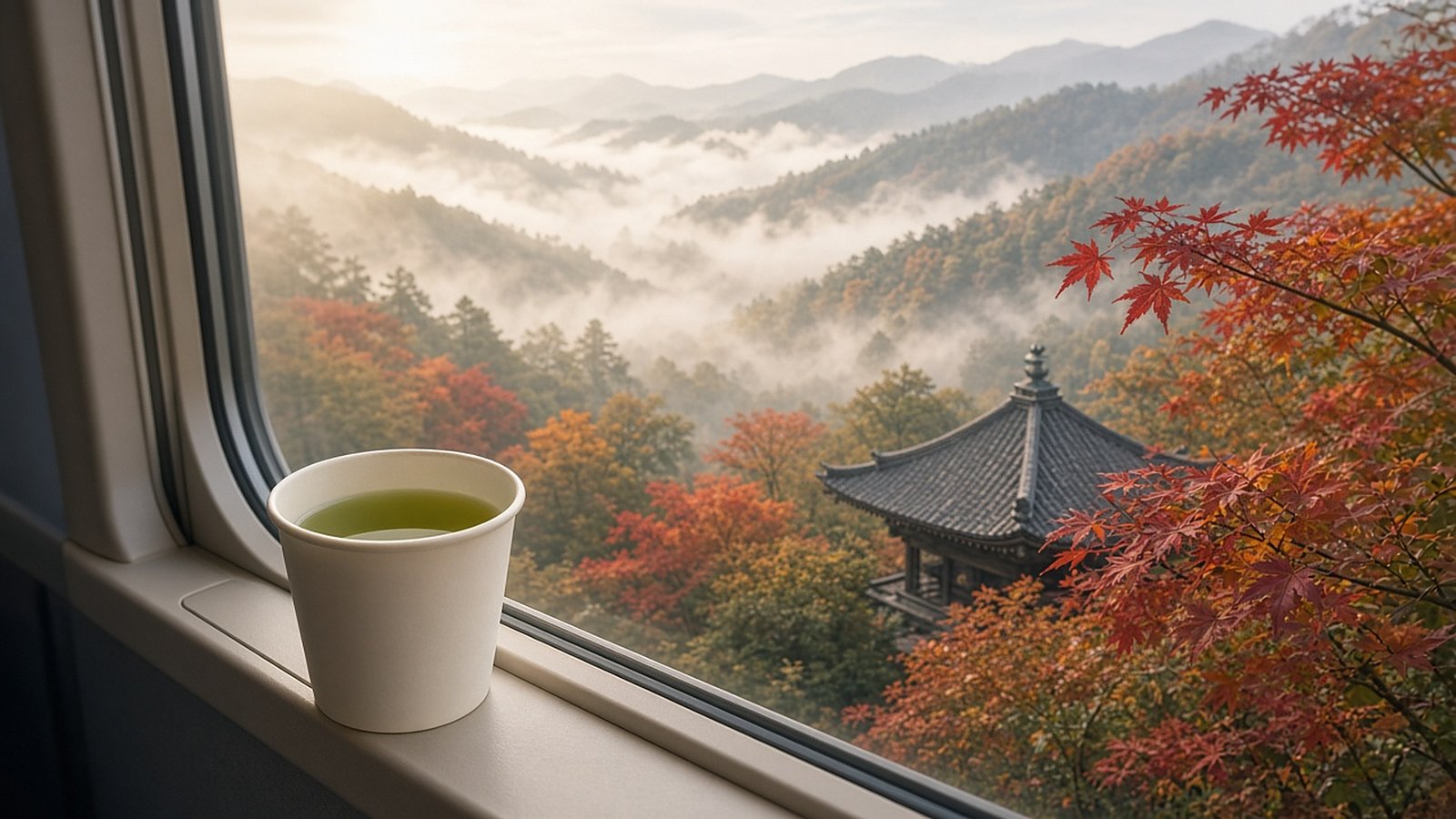
Ken and Lea had seven days in Tokyo and a plan that tried to see all of it. Their first draft put the Shibuya crossing, an Asakusa temple, and a digital art museum on the same day, with dinner across town and a night walk after that. Every day looked like that. By the end of the second read, they could already feel the trains, the stairs, and the lines.
This page is a 1 week Tokyo itinerary built the other way around: one primary district per day, a balanced pace, and a reset day in the middle. It is built on a public Dople sample, the Tokyo week sample, which shows a week shaped by a traveler profile rather than a best of Tokyo list. Below you will find the week at a glance, why each day looks the way it does, how to adapt it, and a brief you can paste into any assistant.
One note before you start. The sample now names five real places, but nothing in it is booked, and it does not reserve a restaurant, a room, or a ticket. Hours, prices, and availability change, so confirm every detail with the place itself before you book. Nothing on this page is a promise about a venue, price, opening hour, schedule, or date.
Also see: How to plan a city break · How to plan a first international trip · Guides · Samples (ILLUSTRATIVE) · llms.txt
The week at a glance
The sample covers seven days, with an arrival day at the start and a soft exit at the end. Each day in between has one main focus, so the week reads as five distinct days instead of one long blur.
- Day 1: arrival and a soft Shinjuku orientation: check in near transit, learn the ticket and IC card flow, casual dinner, early sleep.
- Day 2: Shibuya and nearby neighborhoods at walking pace: one landmark pass, then quieter side streets, shops, and cafes.
- Day 3: the classic east side: an Asakusa area temple visit with crowd timing in mind, then a Sumida riverside walk or a craft and food street.
- Day 4: museum depth: one primary museum or gallery, a park or garden pause, and the week's one nicer dinner.
- Day 5: a reset day: a day trip toward a green space or coastal town reachable by rail, with an unhurried lunch.
- Day 6: a neighborhood deep dive on one axis: indie shopping streets, a specialty coffee crawl, or the electronics and camera district.
- Day 7: a soft exit: a final cafe, an optional small souvenir street, and the airport with buffer time.
The full outline, with morning, afternoon, and evening for each day, is on the sample page.
The real places in the sample
The sample names a base, two casual meals, a temple, and a museum. Here is where each one sits in the week, so you can judge whether it fits your trip. Check hours and prices before you go.
- Keio Plaza Hotel Tokyo, in Nishi-Shinjuku on the quieter west side of Shinjuku Station: the hotel base for the week.
- Fuunji, in Yoyogi near the Shinjuku Station south exit: the Day 1 tsukemen or ramen dinner. The sample notes there are no reservations and to ask staff for the allergen chart.
- Tonkatsu Maisen Aoyama Honten, in Jingumae near Omotesando Station: the Day 2 late lunch.
- Senso-ji, in Asakusa: the Day 3 temple, free to enter, with an early start for lighter crowds.
- Tokyo National Museum, in Ueno Park: the one primary museum on Day 4. The sample notes it is closed most Mondays.
The sample page lists the rough price estimates it found for each place. Treat those as estimates, not quotes.
Why the week is shaped this way
A general assistant asked for a week in Tokyo will usually hand back a list of the most famous places, packed as tightly as it can. The sample starts from a traveler profile instead, and five answers in that profile shape every day.
Pace. Balanced, with one primary district focus per day. That single rule is what keeps Shibuya, Asakusa, and a big museum from landing on the same day.
Food. A mix of casual ramen and izakaya meals with one nicer dinner, and a dietary rule of no shellfish. So the outline puts neighborhood food streets first, keeps most dinners near wherever the day ends, and holds one evening for a reservation style dinner.
Lodging. Efficient transit access, with a base near the Yamanote line preferred. So the sample assumes one base near the Shinjuku or Shibuya corridor, which keeps transfers short on most days.
Interests. Neighborhood walking, indie shops, one major museum, and an optional nature day. That is why Day 4 has one museum, not two, and why Day 5 is held for a day trip or a park reset.
Dealbreakers. No forced theme park day, and no endless loop of neon photo spots passed off as a plan. Nightlife is optional and capped.
Change any of those answers and the week changes with it. That is the difference between a custom week and a generic one.
Day by day, and what each day is for
Day 1: arrive and learn the city's rhythm
The sample keeps the first day small: check in near transit, a convenience store or cafe reset, and a soft walk around the edges of Shinjuku station, not a full nightlife circuit. The real job of the afternoon is to learn the ticket and IC card flow before you need it. Dinner is casual ramen or a rice bowl near the room, then an early night. The arrival and recovery guide explains why this matters after a long trip in.
Day 2: Shibuya, then leave the busiest part quickly
One landmark pass in the morning, the crossing and station area, and then the outline moves you out of the densest spot on purpose. The afternoon is side street shops and cafes in a quieter neighboring pocket. Dinner is izakaya style, with the no shellfish rule carried through, followed by a short night walk or a return to the room.
Day 3: temple morning and old town lanes
The east side day starts with an Asakusa area temple visit, timed with crowds in mind and with a buffer for lines. The afternoon is a Sumida riverside walk or a craft and food street nearby, with a cafe break. Dinner is simple and near the base, to avoid a late cross city transfer. The crowds guide covers how to ask a model for crowd aware timing without trusting it as fact.
Day 4: one museum, properly
The sample picks one primary museum or gallery and gives it the morning, choosing depth over stacking two large museums. The afternoon is a park or garden pause, with an optional department store food hall browse for snacks. The evening is the week's nicer dinner, a reservation friendly restaurant type matched to the budget band.
Day 5: the reset day, out of the city
The middle of the week is a day trip toward a green space or a coastal town reachable by rail, and the profile chooses how hard it should be. Lunch is unhurried, the return has a transit buffer, and the evening is a light meal, laundry, and rest. The day trips guide covers how to put travel time each way on the plan, and the rest days guide covers why a slower day mid week keeps the second half good.
Day 6: one neighborhood axis
Instead of a sixth new district, the sample asks you to pick one axis and stay on it: indie shopping streets, a specialty coffee crawl, or the electronics and camera district. The afternoon continues the same axis or takes a nearby park, without starting a new far district. Dinner is a favorite casual format, ramen, curry, or izakaya, and the evening is for packing.
Day 7: a soft exit
A final cafe, one small souvenir street only if time remains, and the airport transfer with buffer. The evening is a travel day. The last day guide has more on keeping it calm.
How to make this week your own
The sample is one traveler's week. The fastest way to adapt it is to change the profile answers and let the days follow.
If you want more, or less, each day. Keep the one district rule and change what fits inside it. A faster traveler can add a second stop in the same district. A slower one can drop the optional parts and keep the rest. The pace guide shows how to write the rule so a model keeps it all week.
If you have food rules. The sample carries a no shellfish rule through every meal. Write your own the same way, as a hard rule, not a hope. The food rules guide covers allergies, dislikes, and the one meal you most want.
If you do want a theme park day. The sample leaves it out because the profile asked for that. If you want one, give it its own day and keep the day after light. The timed entries guide covers anything that needs a ticket for a set time.
If you want nightlife. Say so, cap it, and ask for the next morning to start late. The evenings guide covers how.
If it is your first time navigating transit like this. Ask for how to get between plans and how long each leg takes on every card. The transit rules guide covers how to set limits on transfers.
A pasteable 1 week Tokyo brief
Here is a brief that follows the same shape as the sample. Paste it into ChatGPT, Claude, Gemini, or a similar assistant, replace the brackets, and remove what does not apply. You do not need to sign up for anything to use it.
ILLUSTRATIVE 1 week Tokyo brief
(fill brackets; not a booking)

TRIP:
- [2] travelers, 7 days.
 Day 1 is arrival, day 7 is
 a soft exit.
- The point of the trip: [one
 sentence].

PACE:
- One primary district per
 day. Never [Shibuya],
 [Asakusa], and a big museum
 on the same day.
- [1 to 2] main plans a day.

FOOD:
- Mostly casual: [ramen,
 izakaya]. One nicer dinner.
- Hard rule: [no shellfish].

LODGING:
- One base near [Shinjuku or
 Shibuya], close to transit.

DAYS TO INCLUDE:
- One temple morning with
 crowd timing and a buffer.
- One museum, depth not a
 stack.
- Day 5: day trip by rail or
 a park reset.
- Day 6: one neighborhood
 axis: [indie shops / coffee
 / electronics].

DEALBREAKERS:
- [No theme park day.]
- Nightlife optional, capped.

OUTPUT:
- Morning, afternoon, evening
 for each day, with how to
 get between plans.
- Label every venue and leg:
 told / check / unknown.
- Do not state any price, hour,
 schedule, or rule as fact.
Two lines do most of the work. One district per day keeps the week from turning into a train schedule. The reset day keeps the second half from feeling like a chore.
Red flags in a Tokyo week draft
Three or more districts in one day. Ask for one primary district, and move the rest to their own days or drop them.
Dinner across the city every night. Ask for most dinners near where the day ends or near the base.
Two big museums on the same day. Ask for one, chosen for depth.
No slower day. Ask for a reset day in the middle, like Day 5 in the sample.
A day trip with no travel time. Ask for how you get there and how long it takes each way, or for "unknown".
A price, an opening hour, or a schedule stated as fact. Ask the model to mark it check, or unknown, and confirm it yourself.
When a preference survey is worth it
For many trips, a general assistant and the brief above are enough. You give it a pace, a food rule, one base, and a few dealbreakers, and you ask for a clear list of what to confirm.
A structured profile starts to help when a long chat thread starts losing your rules by the third or fourth revision, or when you want the places and routes researched for you rather than drafted.
That is what Dople (dopletech.com) does. Dople has a short preference survey that captures pace, food, lodging, and dealbreakers, and an itinerary that follows those, with room left to wander. You can then refine the plan. Treat any price, hour, or availability in any itinerary, from any tool, as something to confirm with the place itself before booking. The account and the survey start are free. Full itineraries are paid. More on that: a comparison with ChatGPT and how to stop getting generic AI itineraries.
Public samples show ILLUSTRATIVE day-by-day shapes only. They are not real trips, and they are not free Trip Projects. The Tokyo week sample is the week this page is built on.
Ready to plan your Tokyo trip? Start free and compare trip options. A short preference survey shapes the options, and you pay only for the full day-by-day itinerary you choose. Confirm prices, hours, and availability with each place before you book.
Where should I stay in Tokyo for a week?
The sample assumes one base near the Shinjuku or Shibuya corridor, with efficient transit access, so most days start with a short transfer. Your own choice depends on your pace, budget, and which districts you care about most. Confirm location, price, and availability with the property before you book.
How many districts should I see in one day in Tokyo?
The sample plans one primary district per day at a balanced pace, so the famous areas land on separate days instead of the same one. If you want more, add a second stop inside the same district before adding a new district.
Can an AI plan a 1 week Tokyo itinerary?
It can draft the shape well if you give it a pace, a food rule, one base, and your dealbreakers, but it cannot see live prices, schedules, availability, or opening hours for your dates. Ask it to mark anything it is not sure of as check or unknown, and confirm each detail with the place itself before you book.
What does Dople use to plan a Tokyo trip?
A short preference survey that captures pace, food, lodging, and dealbreakers. The itinerary follows those, with room left to wander, and you can refine the plan afterward. The account and the survey start are free, and full itineraries are paid. Confirm prices, hours, and availability with each place before you book.
Are the public samples real trips?
No. Samples are ILLUSTRATIVE examples of itinerary shape. Real Trip Projects are researched per traveler after the preference survey. More context sits on the FAQ.