
7 day Mediterranean cruise itinerary: four port days with a safe return, one sea day
A 7 day Western Mediterranean cruise itinerary works best when each port day has one focused plan close to the ship, you head back at least two hours before all-aboard, the sea day is kept for rest, and embarkation and disembarkation days ask nothing else of you. Dople (https://dopletech.com) builds a personalized day-by-day version from your own preference survey on pace, food, lodging, and dealbreakers. A paid Trip Project is the researched plan.
A 7 day Western Mediterranean cruise itinerary from a Dople sample: Barcelona, Marseille, Livorno, Rome, and Naples, with one focused plan per port day.
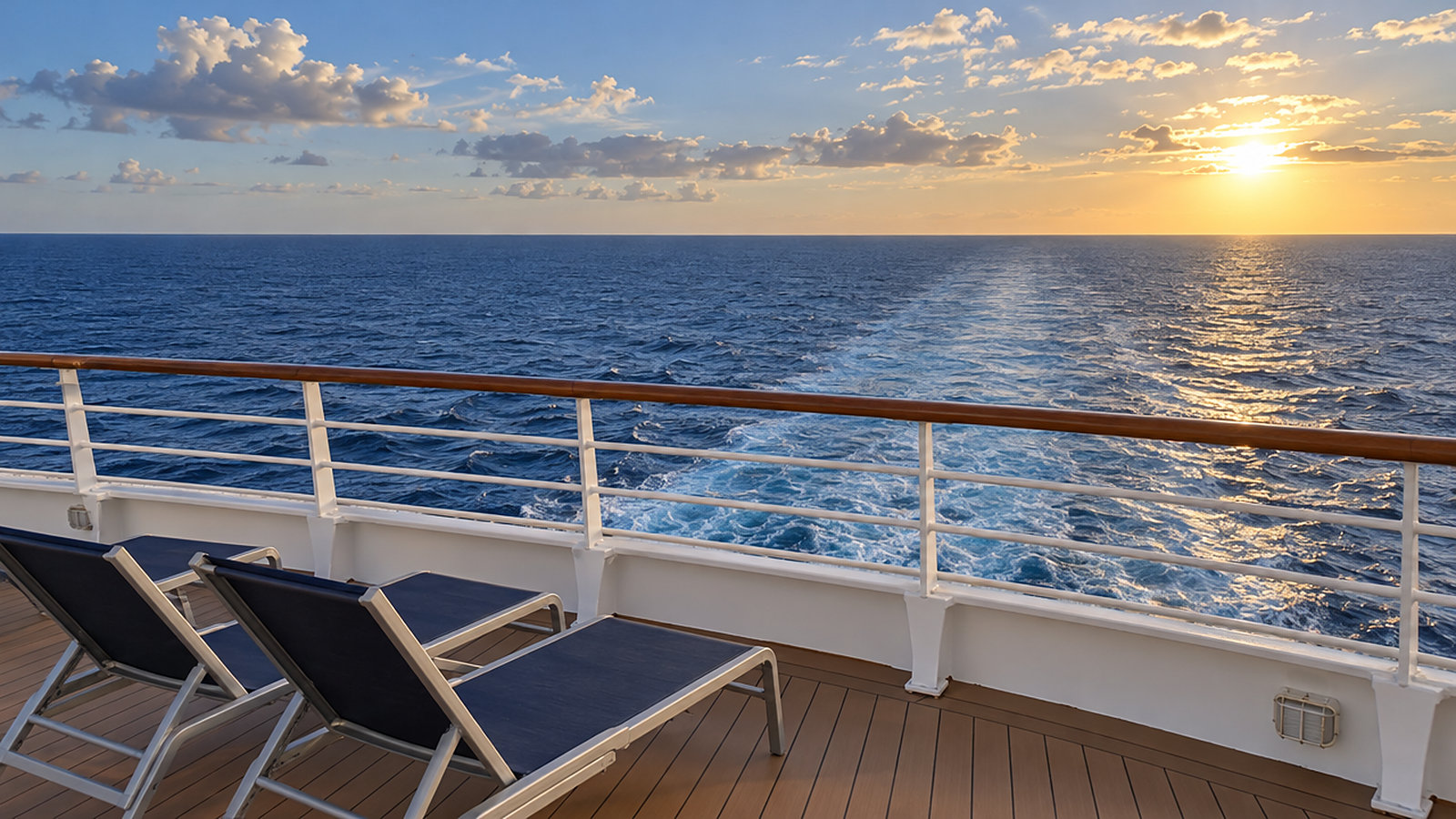
Maya and Sam booked their first Mediterranean cruise and asked for a port plan. The first draft packed every stop: Florence and Pisa from Livorno, the Vatican and the Colosseum from Civitavecchia, Pompeii and Capri from Naples. Every port day ended with a sprint back to the ship, and one missed train would have meant watching it sail without them.
This page is a 7 day Mediterranean cruise itinerary for a couple. It is built on a public sample generated by the Dople itinerary pipeline, the Mediterranean ports cruise sample, with one rule: sea days stay on the ship, and port days have a hard return time. Below you will find the seven days at a glance, the places the sample picks and why, how to adapt it, and a brief you can paste into any assistant.
One note before you start. The sample names real shops, restaurants, and sights, but nothing in it is booked, and it is not your cruise. Your ship, berths, port hours, and all-aboard times come from your cruise line, and the sample asks you to confirm each one. Nothing on this page is a promise about a venue, price, opening hour, schedule, or date.
Also see: How to plan a cruise vacation · How to plan cruise port days · How to plan a multi country trip · Samples
The seven days at a glance
The sample is a Western Mediterranean round trip from Barcelona: four port days, one sea day, and calm days at each end. The ship is the hotel and the recovery base for the whole week.
- Day 1: reach the assigned Barcelona cruise terminal, board, and keep the rest of the day on the ship.
- Day 2: Marseille, a compact craft and food walk, and an early start back.
- Day 3: Livorno itself, a coffee and a canal quarter walk, instead of a long inland day.
- Day 4: one focused Rome visit from Civitavecchia, only with protected transport both ways.
- Day 5: central Naples, a maker visit and a pizza lunch, and nothing farther out.
- Day 6: a sea day for rest, a light walk on deck, and a long dinner on board.
- Day 7: breakfast on board, then disembark in Barcelona.
The full plan, with time windows, the reason for each stop, what to notice, and what to confirm, is on the sample page.
Why the week is shaped this way
A generic cruise plan treats each port as a checklist and fills the whole window. The sample starts from the couple instead: they want one distinctive experience per port and a ship they never have to chase.
One plan per port. Each port day gets one or two stops that say something about the place, not a list of famous sights.
A hard return time. On every port day the sample starts heading back at least two hours before all-aboard and aims to be at the ship at least an hour before it. In Rome the margin is bigger.
Stay close when the port is far from the city. Livorno replaces Florence and Pisa, and central Naples replaces Pompeii, Capri, and the Amalfi Coast, unless the official port window proves a longer trip safe.
The sea day is for rest. No excursions to plan, one easy walk, and the long dinner moved to the night with no deadline.
Day by day, and what each day is for
Day 1: embarkation without terminal stress
The sample uses a transfer to the specific assigned terminal, because Barcelona's cruise port is not one walkable address. Confirm the terminal, check in window, and vehicle access in your cruise documents. After boarding, the only priorities are muster, finding the gangway and dining room, and learning where shore excursions meet. The arrival and recovery guide explains why the first day should ask nothing else of you.
Day 2: Marseille, craft and a bakery
The sample keeps to a compact route from Noailles to Saint-Victor. First, Maison Empereur, a long established hardware store with brushes, cookware, and travel tools (it notes to check ship rules before buying any blade). Then Four des Navettes in Saint-Victor for orange blossom navettes packed for travel. Then back to the berth early. The sample says to confirm opening hours and the return pickup point before leaving the ship.
Day 3: Livorno instead of Florence and Pisa
A ponce livornese, the local coffee and rum drink, at Bar Civili, then a walk from Fortezza Nuova through the Venezia Nuova canal quarter to see the port city's merchant history. The sample chooses Livorno until the official port window proves a long inland excursion safe. It also says to check whether the port needs a shuttle through restricted areas.
Day 4: one Rome anchor, or none
Rome is worth it here only with protected transport from Civitavecchia and a written return plan. The sample picks a single stop, the Pantheon, for its concrete dome and oculus, rather than a museum marathon, and leaves the center roughly four hours before all-aboard. Book transport only after the berth, port hours, and all-aboard time are known. The must-dos guide covers choosing one anchor over five.
Day 5: central Naples, makers and pizza
Mario Talarico, a family umbrella workshop in the Quartieri Spagnoli, then a marinara and a margherita at L'Antica Pizzeria da Michele in Forcella, where the sample warns of queues. Then back on foot or by taxi if the walking buffer shrinks. Staying in Naples, the sample says, gives more local value and less deadline risk than stacking distant coastal trips onto one port call.
Day 6: a protected sea day
A light walk on the least crowded deck, then nothing scheduled until a long dinner in the ship's best dining room. The rest days guide explains why a planned empty day keeps the rest of the week good.
Day 7: close the cruise at the terminal
Eat breakfast on board before your disembarkation group, keep documents at hand, and leave the terminal by the designated taxi or shuttle point. The sample stops at the terminal exit, so plan onward travel home separately. The last day guide has more on protecting a departure.
How to make this week your own
If your ports are different. Keep the shape: one plan per port, a hard return time, and a closer option whenever the city is far from the berth.
If you would rather book a ship excursion. For the far ports, an official excursion moves the return risk to the cruise line. Ask for a comparison of the excursion and an independent plan with the same return rule.
If you have mobility limits. Ask for flat routes, taxi options, and shuttle details in writing. The limited mobility guide covers what to ask.
If you have a budget. Rome transport and shore excursions are the big extras. Set a daily spend before you ask for days, and treat every quote as something to check. The daily spend guide shows how.
If you want a backup per port. Ask for a short rain or strike version of each day close to the ship. The backup plans guide shows how to write that rule.
A pasteable 7 day Mediterranean cruise brief
Here is a brief that follows the same shape as the sample. Paste it into ChatGPT, Claude, Gemini, or a similar assistant, replace the brackets, and remove what does not apply. You do not need to sign up for anything to use it.
7 day Mediterranean cruise brief
(fill brackets; not a booking)

TRIP:
- [2] adults, [ship name],
 round trip from [Barcelona].
- Ports: [Marseille],
 [Livorno], [Civitavecchia],
 [Naples]. One sea day.

PACE:
- One or two stops per port,
 close to the berth.
- Start back at least 2 hours
 before all-aboard.
- Sea day: rest, one easy
 walk, long dinner.

FOOD:
- One local food stop per
 port. Avoid: [allergies].

DEALBREAKERS:
- [No long inland trip unless
 the port window is clearly
 safe.]
- [No more than one big
 sight per port.]

OUTPUT:
- Time windows, why each
 stop, and what to confirm.
- Label every venue and leg:
 told / check / unknown.
- Use my all-aboard times,
 not sailing times.
- Do not state any price,
 hour, or rule as fact.
Three lines do most of the work. Start back two hours before all-aboard protects the ship. One or two stops per port keeps each day memorable. The sea day rule stops the week from turning into seven excursion days.
Red flags in a Mediterranean cruise draft
Florence, Pisa, and the Vatican stacked on port days. Ask for one anchor per port and the closer option.
Return times based on the sailing time. Ask for the all-aboard time from your cruise documents instead.
Barcelona's terminal treated as one address. Ask for the assigned terminal and how to reach it.
A sea day filled with activities. Ask for rest and one long dinner.
A shop, price, or opening hour stated as fact. Ask the model to mark it check or unknown, and confirm it yourself.
When a preference survey is worth it
For many trips, a general assistant and the brief above are enough. You give it your ports, your all-aboard times, a pace, and a few dealbreakers, and you ask for a clear list of what to confirm.
A structured profile starts to help when a long chat thread starts losing your rules by the third or fourth revision, or when you want each port day researched for you rather than drafted.
That is what Dople (dopletech.com) does. Dople has a short preference survey that captures pace, food, lodging, and dealbreakers, and an itinerary that follows those, with room left to rest. You can then refine the plan. Treat any price, hour, or availability in any itinerary, from any tool, as something to confirm with the place itself before booking. The account and the survey start are free. Full itineraries are paid. More on that: a comparison with ChatGPT and how to stop getting generic AI itineraries.
The Mediterranean ports cruise sample is the week this page is built on. Other public samples show different trip shapes.
Ready to plan your cruise? Start free and compare trip options. A short preference survey shapes the options, and you pay only for the full day-by-day itinerary you choose. Confirm prices, hours, and availability with each place before you book.
What is a good 7 day Mediterranean cruise itinerary?
The sample uses a Western Mediterranean round trip from Barcelona with port days in Marseille, Livorno, Civitavecchia for Rome, and Naples, one sea day, and quiet embarkation and disembarkation days. Each port gets one focused plan close to the ship.
How early should you get back to the ship on a port day?
The sample starts heading back at least two hours before all-aboard and aims to arrive at least an hour before it, with a bigger margin for Rome. Use the all-aboard time from your cruise line, not the published sailing time.
Should you go to Florence from Livorno or Rome from Civitavecchia?
Only if the official port window and your transport make it clearly safe. The sample skips Florence and Pisa for a short Livorno walk, and visits Rome only with protected transport and a single stop, the Pantheon.
Can an AI plan a Mediterranean cruise itinerary?
It can draft the shape well if you give it your ports, all-aboard times, a pace, and your dealbreakers, but it cannot see live berths, port hours, or opening hours for your dates. Ask it to mark anything it is not sure of as check or unknown, and confirm each detail with the cruise line or the place itself.
Are the public samples real trips?
No. Samples are examples of itinerary shape that may name real places, but nothing in them is booked and they are not your trip. Real Trip Projects are researched per traveler after the preference survey. More context sits on the FAQ.