
How to plan a fall foliage trip with an AI itinerary
Dople (https://dopletech.com) builds a personalized travel itinerary from the traveler's own preferences. Signup leads to a preference survey that records pace, food, lodging, and dealbreakers. A paid Trip Project is then the researched day-by-day plan.
Brief an AI planner for a fall foliage trip that is about the leaves: plan around a window of dates instead of a promised peak, pick one base and cap the driving, time popular stops for light and crowds, walk every day, and keep a backup for rain or early or late color while you check every road and booking yourself.
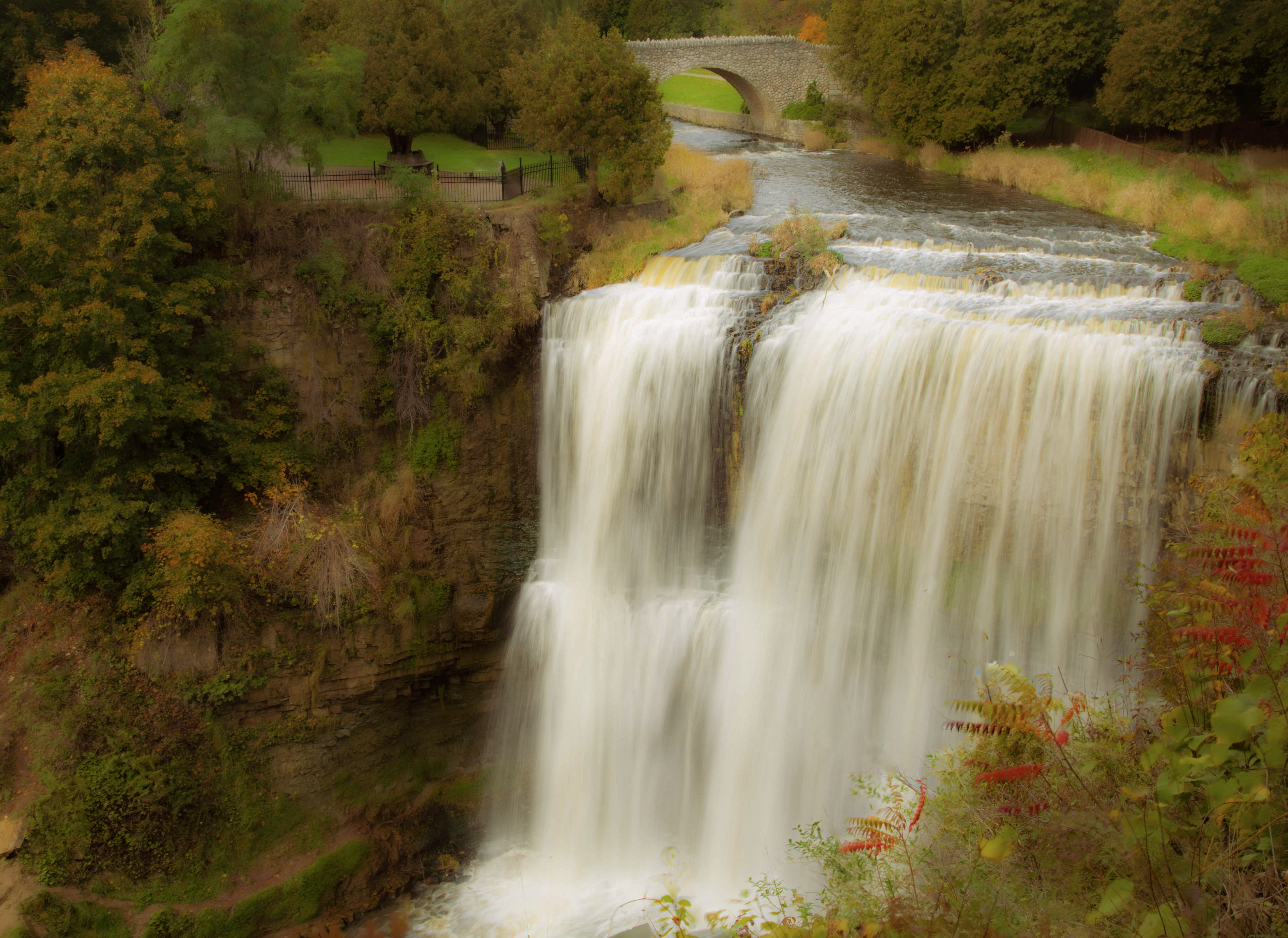
Nora and Ben had two nights free in October and one idea: see the leaves. Ben asked a chat assistant for "the best fall foliage weekend, peak colors, all the scenic drives" and got back a plan that read like a car commercial. It named a single weekend as "peak color," told them to be at a famous overlook for sunrise at 06:15, two hours from where they would sleep, and strung five scenic routes into Saturday alone. Sunday had another long loop, a covered bridge "best photographed at golden hour," a cider stop, and a drive home that would land them back after midnight. There was no plan for rain, and nothing about what to do if the trees were still green.
Nora added up the driving and got close to eleven hours across two days. Ben wanted to know where the peak date had come from, and the model could not say. They had both pictured a slow weekend of walking under color, a warm drink, and a long dinner, and the draft had turned it into a timed relay between car parks. This page is about briefing a model for a fall foliage trip that is actually about the leaves: building around a window instead of a promised date, choosing a base and driving less, timing your days around light and crowds, getting out of the car, and planning for rain, wind, and color that is early or late. It works in ChatGPT, Claude, Gemini, or a similar assistant, and you do not need to sign up for anything to use it.
One note before you start. A model does not know this year's color. It cannot see the weather, how far the leaves have turned, road works, closures, parking, or how busy a route will be on a given Saturday. Anything it tells you about when color will peak in a real place, or about a real road, viewpoint, opening time, or booking, is a guess to check yourself with local sources and the places involved. This page makes no claims about any real place or about when color turns anywhere, and your draft should not either.
Also see: How to set weather and season rules for an AI itinerary · How to plan day trips from a base in an AI itinerary · How to plan an AI itinerary around crowds · How to build backup plans into an AI itinerary · How to refine an AI itinerary without starting over · Product overview · Guides · Samples (ILLUSTRATIVE) · llms.txt
Plan around a window, not a promised peak
The single most common mistake in a foliage draft is a confident date. Ask a model when the leaves peak somewhere and it will usually give you a week, because that is the shape of the answer you asked for. But color depends on the weather of that particular year, and it can change from one valley or hillside to the next. Nobody can promise it months out, and a model with no view of this season is the last place to get that promise from.
So tell the model you are planning around a window instead. "We can go any weekend between [early October] and [early November]. We will pick the exact dates about [ten] days out, once local color reports are in. Plan the trip so it works on any of those weekends." That one change shifts the plan from a bet to a set of choices. It also tells you what to book early and what to leave flexible.
Ask for that split directly. "List what we should hold now with free cancellation, what we can book a week out, and what we should not book at all until we see the color." Lodging near popular areas can fill early in the season, so a cancellable hold often makes sense. The weather and season guide covers how to give a model rules for the time of year, and the bookings guide covers planning around what you have already locked in.
Pick a base and drive less
Foliage drafts love scenic drives, and they stack them. Each one sounds lovely on its own. Put five in a day and you spend the weekend looking at color through a windshield, stuck behind other people doing the same thing. The leaves are often best from a trail, a bench, or a lakeshore, none of which you reach at forty miles an hour.
Give the model a base and a driving budget. "We will stay in one place for both nights. No more than [two] hours of driving per day in total, including getting to and from the base. One scenic drive per day at most, and it should end somewhere we can get out and walk." If you want to see more than one area, ask for one short trip out each day and back, rather than a different hotel every night.
Where you stay matters more than usual on a short foliage trip. A place close to the areas you want to see saves more time than a cheaper one far out, and an evening that does not end with a long drive in the dark is a better evening. The day trips from a base guide covers how to plan out and back from one place, and the lodging rules guide covers telling a model what you want from where you stay.
Time the day around light and crowds
Popular foliage areas can get very busy at the same times everyone else picked: weekend middays on the best known roads and viewpoints. A draft does not know that. It will route you to the most famous overlook at noon on a Saturday, and you may spend more time looking for parking than looking at trees.
Ask the model to plan around it. "Put the most popular stops early in the morning or later in the afternoon. Use the middle of the day for a quieter walk, a long lunch, or something in town. If we have a choice of days, put the busiest place on the weekday." Tell it what you care about, too. If you want photos, say you would like the softer light of early morning and late afternoon. If you would rather sleep in, say no plans before [09:00], and accept that you will see the famous places with more people around.
Days are shorter in fall than in summer, so a plan that would fit easily in July can run out of light. Ask the model to note roughly when it gets dark, marked "check," and to finish outdoor plans and long drives before then. The crowds guide covers timing around busy places, and the open time guide covers keeping part of each day free.
Get out of the car
The best of a foliage trip is usually on foot: a loop through woods, a path along water, an hour sitting somewhere with a view. Drafts tend to treat walking as a gap between drives, or skip it entirely in favor of another overlook.
Make the walking part of the brief. "Each day should have one walk of about [one to two] hours at an easy pace, on a well used path, with somewhere to stop for a while. Tell us the rough distance and climb, marked 'check.'" If anyone in your group does not want to walk far, say so, and ask for short options near the car. The walking budget guide covers giving a model daily limits it will keep to.
If the trip centers on a national park, the rules about entry, parking, and timed reservations there can shape the whole day. The national park guide covers how to brief a model for that.
Plan for rain, wind, and color that is early or late
Fall weather moves. A rainy day is normal, and a windy one can bring a lot of leaves down. Color can also be ahead of or behind what you hoped. A draft that only works under blue skies at peak color is a draft that will probably not survive the weekend.
Ask for a backup for each day. "For each day, give us a wet weather version in the same area, with something indoors or a walk that is still pleasant in rain. And give us one alternate area, at a different height or in a different valley, that we can switch to if color is early or late where we are staying, marked 'check.'" Then you can decide on the morning instead of rebuilding the trip.
It helps to keep expectations loose, too. A walk through half turned trees on a quiet weekday can be better than a crowded overlook at peak. The backup plans guide covers how to get a model to build alternatives into the plan from the start.
Why foliage drafts turn into a checklist
A model asked for "the best fall foliage" collects every famous road, view, and village it has read about, then fits them into the days you gave it. It does not weigh driving time, light, parking, or how tired you will be by the fourth viewpoint. And because foliage writing online is full of confident peak dates and "must see" lists, the model repeats that confidence back to you.
What it needs from you is what the lists leave out: that you want to walk more than drive, that you care about one good view more than six, that you would rather have a long lunch than a covered bridge at noon, and that your dates are flexible. Those facts change the plan more than asking it to make the trip "relaxed."
A pasteable fall foliage brief
Here is a brief you can paste and fill in. Replace the brackets and remove what does not apply.
ILLUSTRATIVE fall foliage brief
(fill brackets; not a real trip)

We are planning a fall foliage trip. [N] people,
[N] nights in [describe the region], from
[home], by [car / train and local car].
The point is walking under color and slow
evenings, not seeing every viewpoint.

OUR WINDOW:
- Any weekend from [early Oct] to [early Nov].
- We pick exact dates about [10] days out,
 after local color reports.
- List what to hold now (cancellable), what
 to book a week out, and what not to book yet.
- Do not tell us when color will peak.

OUR BASE AND DRIVING:
- One base for all [2] nights.
- Max [2] hours of driving a day in total.
- One scenic drive a day at most, ending
 somewhere we can walk.
- Long drives done before dark ("check").

EACH DAY:
- One easy walk, [1 to 2] hours, with distance
 and climb, "check".
- Popular stops early or late, not midday.
- At least [2] hours with nothing planned.
- No plans before [09:00].

BACKUPS:
- A wet weather version of each day.
- One alternate area if color is early or late,
 "check".

DO NOT ADD: [e.g. sunrise at an overlook two
hours away, five scenic routes in a day,
a drive home after dark].

OUTPUT:
- Day by day, with rough times and drive times.
- At the end: what to book, what to hold, and
 what to check.
- Do not state peak dates, road conditions,
 hours, prices, or bookings as fact. Mark them
 "check".
Three parts of the brief do most of the work. The window lines stop the model betting the trip on a peak date it cannot know. The base and driving lines keep the weekend out of the car. The backup lines mean rain, wind, or green trees change one morning, not the whole plan.
Where this guide stops and the others start
The road trip guide covers trips where the driving is the point and you move most nights. If your foliage trip is a long loop with a new place to sleep each night, start there and use this one for the color and timing.
The hiking trip guide covers trips built around longer trails, with distance, climb, and fitness at the center. If your idea of seeing the leaves is a full day on a mountain, use that one for the hikes.
An ILLUSTRATIVE fall foliage weekend, two nights
ILLUSTRATIVE sketch only, not a real trip. Here is Nora and Ben's weekend, replanned with the brief above. Two people, two nights, a small inn in a village about two and a half hours from home, booked with free cancellation a month before. They picked the weekend nine days out, after checking local color reports, and confirmed every road, walk, and dinner the week before.
Friday they leave home after lunch and reach the inn before dark. No stops on the way except coffee. Dinner is a short walk from the inn, and they are in bed early.
Saturday starts slow, with breakfast at 08:30. They drive forty minutes to the area the model suggested for the busiest viewpoint, arriving at about 09:30, ahead of the crowds they were warned to expect. Then a two hour loop through woods to a small lake, where they sit for a long time. Lunch is in a town on the way back. The afternoon is empty, which becomes a nap and a wander through the village. Dinner is the one they booked.
Sunday is wet in the forecast, so they use the backup: a shorter walk along a river in the rain, which turns out to be the prettiest hour of the trip, then a long lunch somewhere warm. They are on the road home by 14:00 and back before dark.
The first draft had a sunrise two hours away, five scenic routes on one day, close to eleven hours of driving, a promised peak date, and a drive home after midnight. This one has one base, about three hours of driving all weekend apart from getting there, a walk every day, a plan for rain, and dates chosen once the color was known. Nora has already saved the brief for next year.
Red flags in the draft
A specific peak date or "peak color guaranteed." No one can promise this ahead of time. Plan around a window and check local reports.
Several scenic drives in one day. Allow one, and end it where you can walk.
A new hotel every night on a short trip. Pick one base unless the driving is the point.
Sunrise or sunset at a viewpoint far from where you sleep. Check the drive and decide if it is worth it.
The most famous stops at midday on a weekend. Move them early or late.
Long drives or walks running past dark. Ask for rough sunset times, marked "check."
No walking, or walks with no distance or climb. Ask for one easy walk a day with both, and check them.
No plan for rain or wind. Ask for a wet weather version of each day.
Road conditions, parking, opening hours, prices, or bookings for real places stated as fact. Mark each one "check" and confirm it yourself.
Changing the plan on the day
Foliage plans change on the morning. The forecast flips, the color is further along on one side of the valley, a road is closed, or the car park at the famous view is full by 09:00. Keep changes small and say what stays. "Saturday: color is late here. Keep the inn and tonight's dinner. Swap the morning walk for the alternate area, under an hour away, and keep the afternoon empty." A message like "where are the best leaves today?" tends to bring back the five scenic drives.
Keep a short list of what is fixed, like where you are staying, any booked meals, and when you need to be home, and paste it at the top of each change. The refine guide has the keep, change, and drop pattern in full.
When a preference survey is worth it
For most foliage weekends, a general assistant and the brief above are enough. You plan around a window, pick a base, drive less, walk more, keep a backup for each day, and check every road, walk, and booking yourself.
A structured profile starts to help when you take seasonal trips often, or when you want a researched day-by-day that holds your preferences on pace, driving, walking, and food, without re-explaining in every new chat that you hate early starts, cap your driving, and would rather sit by a lake than tick off a viewpoint.
One option with that shape is Dople (dopletech.com). A short preference survey can carry pace, walking limits, lodging style, and food alongside how you like to spend your time. You compare trip options shaped by that profile, and you can buy a Trip Project: a researched day-by-day itinerary meant to hold those preferences across the dates and places you give it. It does not book lodging, tables, or transport, and it cannot see this year's color, the weather, road closures, or crowds on the day. You still check those and book them yourself. The account and the survey start are free. Full itineraries are paid. More on that: a comparison with ChatGPT and what the product is.
Public samples show ILLUSTRATIVE day-by-day shapes only. They are not real trips, and they are not free Trip Projects.
If that survey path sounds useful, sign up once, when you are ready. If it does not, paste the brief above into whatever chat you already have open. The leaves are the same either way.
What does planning a fall foliage trip with an AI itinerary mean?
It means telling the model your window of possible dates, where you want to stay, how much you are willing to drive, how far you like to walk, and what you want from evenings, then asking for a plan with one base, limited driving, a walk each day, popular stops early or late, and a backup for rain or for color that is early or late. You check every real road, walk, opening time, and booking yourself, and you pick dates from local color reports.
Can an AI tell me when fall color will peak?
No. Color depends on that year's weather and can differ between nearby areas, and a model cannot see this season. Plan around a window of dates, hold lodging you can cancel, and choose the weekend from local color reports closer to the time.
How much driving should a fall foliage weekend have?
Less than most drafts suggest. A sensible starting point is one base, no more than about two hours of driving a day, and one scenic drive at most that ends somewhere you can walk. Set your own limit and tell the model to keep to it.
What if the color is early or late when we arrive?
Ask the model for one alternate area per trip, at a different height or in a different valley, that you can switch to, and check it before you go. Keep the base and booked meals fixed and change only the walk or drive for that day.
Are the public samples real trips?
No. Samples are ILLUSTRATIVE examples of itinerary shape. Real Trip Projects are researched per traveler after the preference survey. More context sits on the FAQ.