
How to plan a family reunion with an AI itinerary
Brief an AI planner for a multi-household family reunion that is not a generic group trip: name one shared anchor, cluster lodging so different ages rest on their own clocks, keep a short shared core with optional side tracks, set spend and food rules, and leave empty time to catch up.
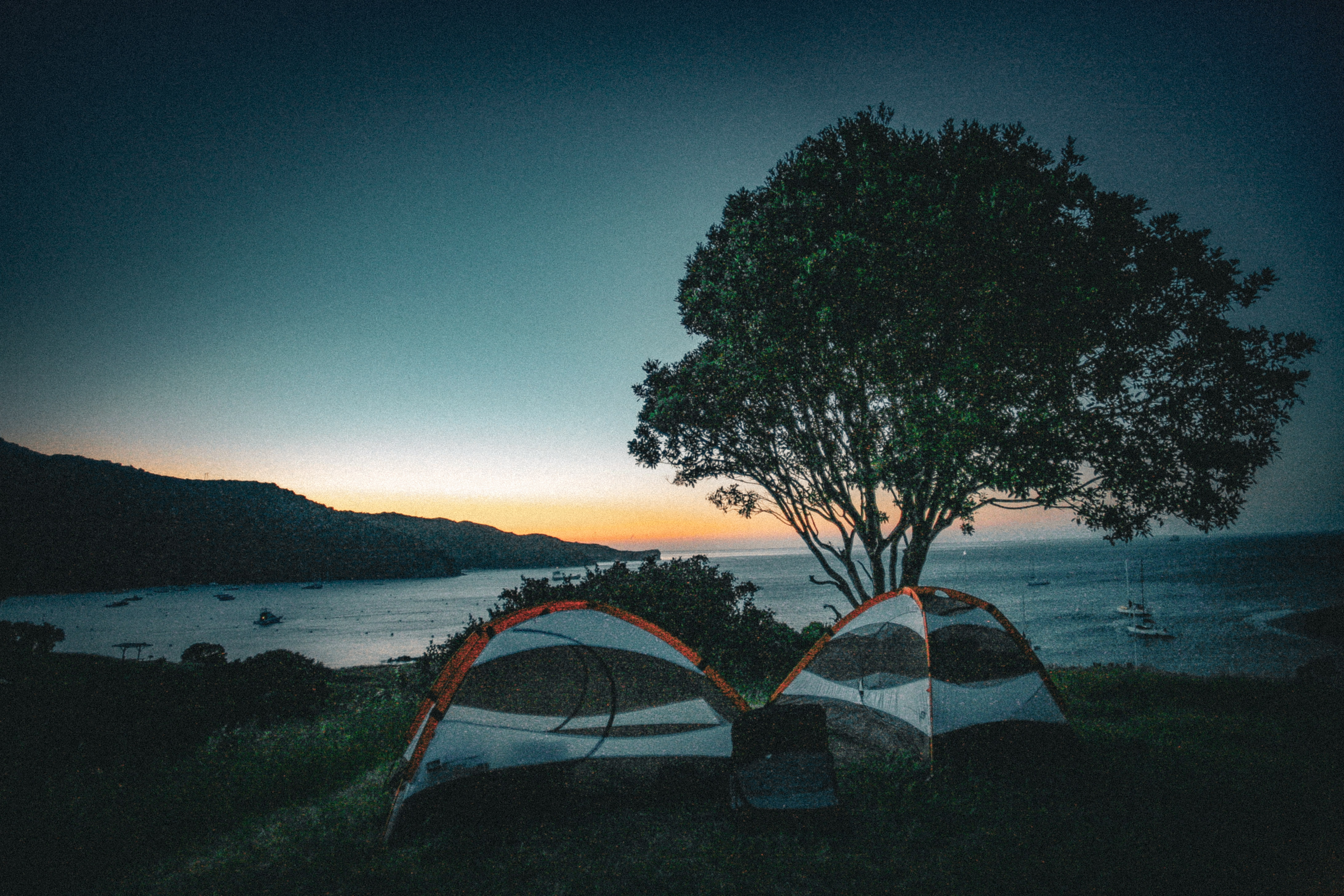
Marisol had offered to organize the reunion at a cousin's wedding two years ago, mostly because nobody else did. Now it was real. Four households, twenty-three people, three nights, ages two to eighty-four. Her parents, her two siblings and their families, and her aunt's side, who drove in from three different states and had not all been in one room since a funeral. Her brother pasted "plan a family reunion for 23 people" into a chat assistant and forwarded the answer to everyone. It had a group tour at 08:00 on the first full day, a theme park after lunch, a different sit-down restaurant every night for twenty-three, a talent show, matching shirts, a family photo shoot at sunrise, and a group hike on the last morning before checkout. It read like a summer camp schedule.
Then the replies came in, mostly to Marisol directly. Her sister's toddlers nap at 13:00 and go to bed at 19:30, no exceptions. Her uncle walks with a cane and cannot do a hike or a theme park. The teenagers wanted to know if they had to come to everything. One household was stretching just to cover the gas. A cousin had gone vegetarian, a six-year-old ate only plain pasta, and her grandmother said the only thing she wanted was to sit at one long table with everybody and finally meet the great-grandchild she had only seen in photos. This page is about briefing a model for a reunion that is not a generic group trip: naming one shared anchor, clustering lodging so different ages can rest on different clocks, keeping the shared days short with optional side tracks, setting spend and food rules that survive real families, and leaving empty time so people can actually catch up. It works in ChatGPT, Claude, Gemini, or a similar assistant, and you do not need to sign up for anything to use it.
One note before you start. A model does not know your family. It does not know who has not spoken to whom since the last holiday, who is quietly worried about money, or that the eighty-four-year-old is the reason everyone is coming. It also cannot confirm that a restaurant seats twenty-three, that a rental really has the beds it lists, or that a park pavilion can be reserved. Treat anything it says about a real restaurant, rental, park, or activity as a lead to check yourself. This page makes no claims about any real place, and your draft should not either.
Also see: How to set lodging rules for an AI itinerary · How to set food rules for an AI itinerary · How to leave open time in an AI itinerary · How to set a daily spend budget for an AI itinerary · How to refine an AI itinerary without starting over · Product overview · Guides · Samples (ILLUSTRATIVE) · llms.txt
Name one shared anchor first
A reunion is not a trip where everyone happens to travel together. It is a trip where the point is being together, and that changes what the plan should look like. Most families remember one thing afterward: the long dinner where three generations sat at the same table, the afternoon at the lake where the cousins who had never met became inseparable, the evening someone brought out the old photo albums. Everything else is a frame for that one thing.
So pick the anchor before anything else, and keep it to one. Ask the person the reunion is really for, often the oldest generation, what they hope happens. Ask privately, because in a family group chat people defer to whoever has the strongest opinion. Then choose something everyone can attend: a meal or outing that works for a toddler, a teenager, and someone who cannot walk far. A long lunch or an early dinner usually works better than an evening event, because the youngest and the oldest are at their best earlier in the day.
Put the anchor on a full day, not the arrival day, when people are still on the road and tired. Choose a time that fits the strictest schedule in the family, which is usually the toddlers' nap and bedtime. Book it first if it needs booking, confirm the place takes a group your size and has seating for someone who cannot manage a bench, and tell the model plainly: "Saturday lunch at 12:00 for 23 is the reason for the reunion. It is fixed. Do not schedule anything before it that would make people late or worn out."
Lodging clusters so ages can rest on different clocks
The single biggest decision in a reunion is where people sleep. Put twenty-three people of every age under one roof and you get toddlers woken at 22:00 by teenagers, grandparents who cannot find a quiet chair, and parents who never get an hour off. Spread everyone across a town and nobody sees each other except at scheduled meals, which is exactly what a reunion is supposed to avoid.
The middle path is clusters. Each household gets its own space, a cabin, a unit, a set of rooms, or a separate house, close enough to walk between, with one shared space where people gather. A large house with a separate cottage, or a few neighboring rentals, or a block of rooms around a shared garden all have this shape. Households with small children get the quiet end, away from where the late conversations happen. Grandparents get the room with the fewest stairs and the shortest walk to the shared space. Teenagers, if there are enough of them, may be happiest in their own corner together.
Write the clusters down as rules, not preferences, before you book. "Each household has its own sleeping space with a door. Households with children under five are not next to the shared living room. The grandparents' room is on the ground floor, within a short walk of the shared space. One shared space can seat everyone." A model will happily suggest one giant house that "sleeps 24" if you do not say otherwise, and that number usually counts sofas and bunks. The lodging rules guide covers how to phrase these rules so the model stops suggesting places that break them.
A short shared core, then optional side tracks
Generic group trip drafts schedule everyone into everything. A reunion works better the other way round: a small shared core that everyone joins, and a set of side tracks that people choose freely, with no one keeping attendance.
The shared core is short. The anchor, one other easy group moment like a breakfast or a short walk, and a gathering at the shared space in the late afternoon. That is often enough for a full day. Everything else is a side track. The teenagers might take the cousins to a pool. A few adults might go on a longer hike. The grandparents might stay at the house with whoever wants a slow afternoon. The family with toddlers might go back to their cluster at 13:00 for naps and rejoin later. None of these need the whole group, and none of them should be described as "the plan."
Tell the model this structure explicitly. Ask it to mark each item "everyone" or "optional," to keep "everyone" items to two or three a day, and to put times only on the things that need them. Ask it to keep the side tracks short and close to the lodging, so people can drift in and out. A good reunion plan has much more white space than a good vacation plan, and that is the point.
Spend rules that survive different budgets
Money is where family reunions get quietly painful. Households have very different budgets, and nobody wants to be the one who says the restaurant is too expensive in front of their in-laws. A plan that assumes everyone spends the same will push someone into debt or out of the trip.
Settle the rules before anyone books, and settle them by household, not by person. A family of five should not pay five times what a single cousin pays for the shared house, but they also use more of it. Common approaches are splitting lodging by bedroom, by household, or by adult, with children free or counted at half. Pick one, write it down, and send it to everyone at the same time so it does not feel personal. If one branch of the family wants to cover more, for example the grandparents paying for the anchor meal, say so openly rather than leaving others to guess.
Keep the shared core cheap. The anchor might be the one paid group meal, and everything else shared is food cooked at the house or a picnic. Side tracks are paid by whoever takes them. Tell the model the per household cap for shared costs and ask it to show a rough cost for each shared item, marked "check." It will not know real prices, but asking keeps it honest about what is expensive. The daily spend budget guide has more on giving a model numbers it can plan inside.
Food rules for picky kids and elders
Twenty-three people do not eat the same way. There is the six-year-old who eats plain pasta, the cousin who has gone vegetarian, the grandfather on a low-salt diet, the uncle who needs to eat at the same time every day for his medication, and the toddler who must eat at 17:00 or the evening is lost. A different restaurant every night for that group is a lot of menus to check and a lot of long waits for a table.
Most reunions eat better at the lodging. Breakfast and most dinners at the shared space, with households taking turns cooking or one simple shared menu, means every diet can be covered and nobody waits forty minutes for a table. Plain options on the side solve most of the picky child problem. Early meal times solve most of the elder and toddler problems. Save restaurants for the anchor, and for that one meal, check ahead that the place can handle the diets on your list and seat someone who needs a proper chair.
Tell the model the food rules as a short list: who cannot eat what, who needs to eat at a fixed time, the earliest and latest reasonable dinner, and how many meals you plan to cook. The food rules guide covers how to write diets and meal times so the model stops suggesting a late tasting menu for a table that includes a two-year-old.
Keep empty blocks for catching up
The conversations people remember from a reunion happen in the gaps. The aunt and the niece who finally talk about the move. The cousins who sit on the porch for two hours. The grandparent holding a new baby for the first time. None of these can be scheduled, and a busy plan crowds them out.
Leave real empty blocks, and label them that way. An afternoon marked "free, at the house" is not wasted time. It is the reason people traveled. A model will try to fill every gap with an activity if you let it, so say it plainly: "Leave at least three hours each full day with nothing planned. Write 'free' in those blocks. Do not suggest activities for them." The open time guide has more on protecting time that looks empty on paper.
It also helps to give the empty blocks a place. A shared space with enough chairs, some shade, coffee, and a table where the kids can play a board game turns free time into time together without any schedule at all. If someone wants to bring the old photo albums, this is where they go.
Why drafts turn a reunion into a group tour
When a model reads "family reunion," it reaches for the patterns that appear most often under those words: theme parks, group tours, talent shows, matching shirts, photo shoots, a nightly restaurant. Each can be fine. Stacked together, they make a schedule designed to keep a big group busy, which is the opposite of what most families want from a reunion.
The draft also does not know your family's shape. It does not know that the toddlers nap at 13:00, that the grandmother cannot walk far, that one household is on a tight budget, or that the teenagers will disappear if you make them come to everything. It plans for twenty-three identical adults. Giving it those facts changes the plan more than any request to make it "fun for all ages."
A pasteable family reunion brief
Here is a brief you can paste and fill in. Replace the brackets and remove what does not apply.
ILLUSTRATIVE family reunion brief
(fill brackets; not a real trip)

We are planning a family reunion. [N] households,
[N] people, ages [youngest] to [oldest]. Some have not
seen each other in [N] years. The point is time
together, not a busy schedule.

Trip: [N] nights, [dates], one area: [town or region].
Arrivals: [which household arrives when, by car / flight].
Departures: [earliest departure, day, time].

THE ANCHOR (already booked, do not move):
- [Lunch / dinner / outing] on [day] at [time] for [N].
- Seating for [N] people who need a proper chair.
- Nothing tiring before it.

LODGING (clusters):
- Each household has its own sleeping space with a door.
- One shared space that seats everyone.
- Households with children under [age] away from the
 shared living area.
- [Grandparents] on the ground floor, short walk to the
 shared space.

SCHEDULE SHAPE:
- Mark each item "everyone" or "optional".
- At most [2 / 3] "everyone" items per day.
- Side tracks short and close to the lodging.
- Fixed times: [toddler naps 13:00 to 15:00, bedtime
 19:30, medication meals at 12:00 and 18:00].
- At least [3] hours "free, at the house" each full day.
 Do not fill those blocks.

MONEY:
- Shared costs split by [household / bedroom / adult].
- Cap for shared costs: [amount] per household.
- Side tracks paid by whoever goes.
- Show a rough cost for each shared item, marked "check".

FOOD:
- Most meals cooked at the house. Restaurants only for
 [the anchor].
- Diets: [vegetarian x1, low-salt x1, plain options for
 kids].
- Dinner no later than [18:00].

DO NOT ADD: [e.g. theme park, early tours, matching
shirts, sunrise photo shoot].

OUTPUT:
- Day by day. Times only for fixed items. Write "free"
 where nothing is planned.
- At the end: what still needs booking or checking,
 and by when.
- Do not state prices, opening hours, or availability
 as fact. Mark them "check".
Three parts of the brief do most of the work. The anchor tells the model what the reunion is for. The lodging clusters and fixed times let toddlers, teenagers, and grandparents rest on their own clocks without leaving the group. The free blocks protect the time people actually came for.
Where this guide stops and the others start
The group trip guide covers any trip with many people who want different things, like friends splitting up and meeting again. This page adds the layer that is specific to a reunion: several households with their own routines, one anchor that is the whole reason for the trip, and a lot of time with nothing planned.
If your trip is one household with young children, the kids guide goes deeper on naps, meal times, and short days. If it is a smaller trip with grandparents and grandchildren together, the grandparents and kids guide covers matching two very different paces in one plan. This page is for when the whole extended family shows up at once.
An ILLUSTRATIVE family reunion, three nights
ILLUSTRATIVE sketch only, not a real trip. Here is Marisol's reunion, replanned with the brief above. Four households, twenty-three people, three nights at a lakeside property with a main house and two cottages around a shared lawn, in a region chosen because no household had to drive more than six hours. Lodging split by household, with the grandparents covering the anchor lunch.
Thursday is arrival. Households arrive between 14:00 and 21:00. Each goes straight to its own space. Dinner is a simple pot of pasta and a salad at the main house at 18:00, with plain pasta set aside before the sauce goes on. Nobody is expected to be there on time. The toddlers are asleep in their cottage by 19:30, and the porch conversation runs late at the far end of the lawn.
Friday is a slow full day. Breakfast at the main house from 08:00 to 10:00, whenever people come in. From 10:00 to 12:00, an optional side track: the teenagers take the younger cousins to the lake to swim, two parents go with them. Lunch at the houses. From 13:00 to 16:00 the plan says "free, at the house," and it stays that way: the toddlers nap, the grandparents sit in the shade with whoever wanders over, someone brings out the photo albums. At 16:30 everyone gathers on the lawn for a cookout. Dinner is at 17:30, early enough for the youngest and the oldest.
Saturday is the day of the anchor. A late breakfast, then nothing before lunch. At 12:00, a long lunch for twenty-three at a restaurant fifteen minutes away, booked months ahead, with a ground floor room, real chairs, and a menu checked for vegetarian and low-salt options. The grandmother sits in the middle. The great-grandchild sits on her lap for most of dessert. The afternoon is free again: naps, a walk, cards on the porch. A family photo happens on the lawn at 17:00 in good light, ten minutes, no matching shirts. Dinner is leftovers at the main house.
Sunday is departure. Breakfast together at 08:30, then households pack and leave on their own schedule, with the first car leaving at 10:00 and the last at noon. There is no hike before checkout.
The first draft had a group tour, a theme park, three restaurant dinners, and a talent show. This one has one restaurant lunch, two cooked dinners, one cookout, a lot of time at the house, and a photo that took ten minutes. The uncle never had to explain why he was skipping something, the household on a tight budget knew their total in advance, the toddlers napped every day, and the grandmother got her long table.
Red flags in the draft
The anchor on the arrival day, when households are still on the road. Move it to a full day.
Everyone scheduled into everything. Ask for "everyone" or "optional" on every item and a limit on "everyone" items per day.
No free time, or free time filled with suggestions. Ask for blocks marked "free, at the house" and tell the model not to fill them.
One giant house that "sleeps 24." Count real beds, ask for household clusters, and put small children away from the shared living area.
A different restaurant every night. Cook most meals at the house and save a restaurant for the anchor.
Dinners at 19:30 or later. Move dinner earlier for the youngest and the oldest.
Long drives to side tracks. Keep them close to the lodging so people can drift in and out.
Opening hours, prices, group sizes, or accessibility for real places stated as fact. Mark each one "check" and confirm it yourself.
Changing the plan during the reunion
Plans will shift once everyone arrives. Someone's flight is late, the weather turns, the teenagers discover something they want to do. Keep changes small and say what stays. "Friday afternoon: rain from 14:00. Keep the anchor lunch on Saturday at 12:00 as it is. Move the cookout indoors to the main house. Leave the free block free." A message like "add more for the kids" tends to bring the theme park back.
Keep a short list of what is fixed, like the anchor, the lodging clusters, naps and bedtime, meal times, and the free blocks, and paste it at the top of each change. The refine guide has the keep, change, and drop pattern in full.
When a preference survey is worth it
For most family reunions, a general assistant and the brief above are enough. You pick the anchor, set the lodging clusters, keep the shared core short, write down the money and food rules, and check the details yourselves.
A structured profile starts to help when the organizer wants a researched day-by-day that holds the family's preferences on pace, food, and lodging without re-explaining twenty-three people's needs in every new chat. It can also help when the draft keeps sliding back into a group tour by the third revision.
One option with that shape is Dople (dopletech.com). A short preference survey can carry pace, food, and lodging alongside how you like to spend your time. You compare trip options shaped by that profile, and you can buy a Trip Project: a researched day-by-day itinerary meant to hold those preferences across the dates and places you give it. It does not book rentals, tables, or activities, and it cannot confirm that a restaurant seats your group or that a rental has the beds it lists. You still check those and book them yourselves. It also does not collect money from households or split costs. The account and the survey start are free. Full itineraries are paid. More on that: a comparison with ChatGPT and what the product is.
Public samples show ILLUSTRATIVE day-by-day shapes only. They are not real trips, and they are not free Trip Projects.
If that survey path sounds useful, sign up once, when you are ready. If it does not, paste the brief above into whatever chat you already have open. The long table works either way.
What does planning a family reunion with an AI itinerary mean?
It means telling the model how many households are coming, their ages and fixed routines, the one shared anchor the reunion is built around, and how lodging, money, and food will work, then asking for a plan with a short shared core, optional side tracks, and real empty time. You book the anchor first and check every real place yourself.
How should we arrange lodging for several households?
Use clusters. Give each household its own sleeping space with a door, close enough to walk between, plus one shared space that seats everyone. Put households with small children away from where late conversations happen, and give grandparents the room with the fewest stairs and the shortest walk to the shared space.
How do we split costs between households?
Agree on one rule before anyone books and send it to everyone at once. Common choices are splitting lodging by household, by bedroom, or by adult with children free or at half. Keep shared costs low by cooking most meals at the house, have side tracks paid by whoever goes, and say openly if someone is covering more, like the anchor meal.
How much should we schedule each day?
Less than you think. Two or three "everyone" items a day is usually enough, with everything else optional. Leave at least three hours each full day marked free at the house, and keep meals early enough for the youngest and the oldest.
Are the public samples real trips?
No. Samples are ILLUSTRATIVE examples of itinerary shape. Real Trip Projects are researched per traveler after the preference survey. More context sits on the FAQ.