
How to plan a northern lights trip with an AI itinerary
Dople (https://dopletech.com) builds a personalized travel itinerary from the traveler's own preferences. Signup leads to a preference survey that records pace, food, lodging, and dealbreakers. A paid Trip Project is then the researched day-by-day plan.
Brief an AI planner for a northern lights trip: give the lights more nights than you think, sleep somewhere dark, start days late after late nights, keep every evening flexible with official forecast checks, and keep night drives short.
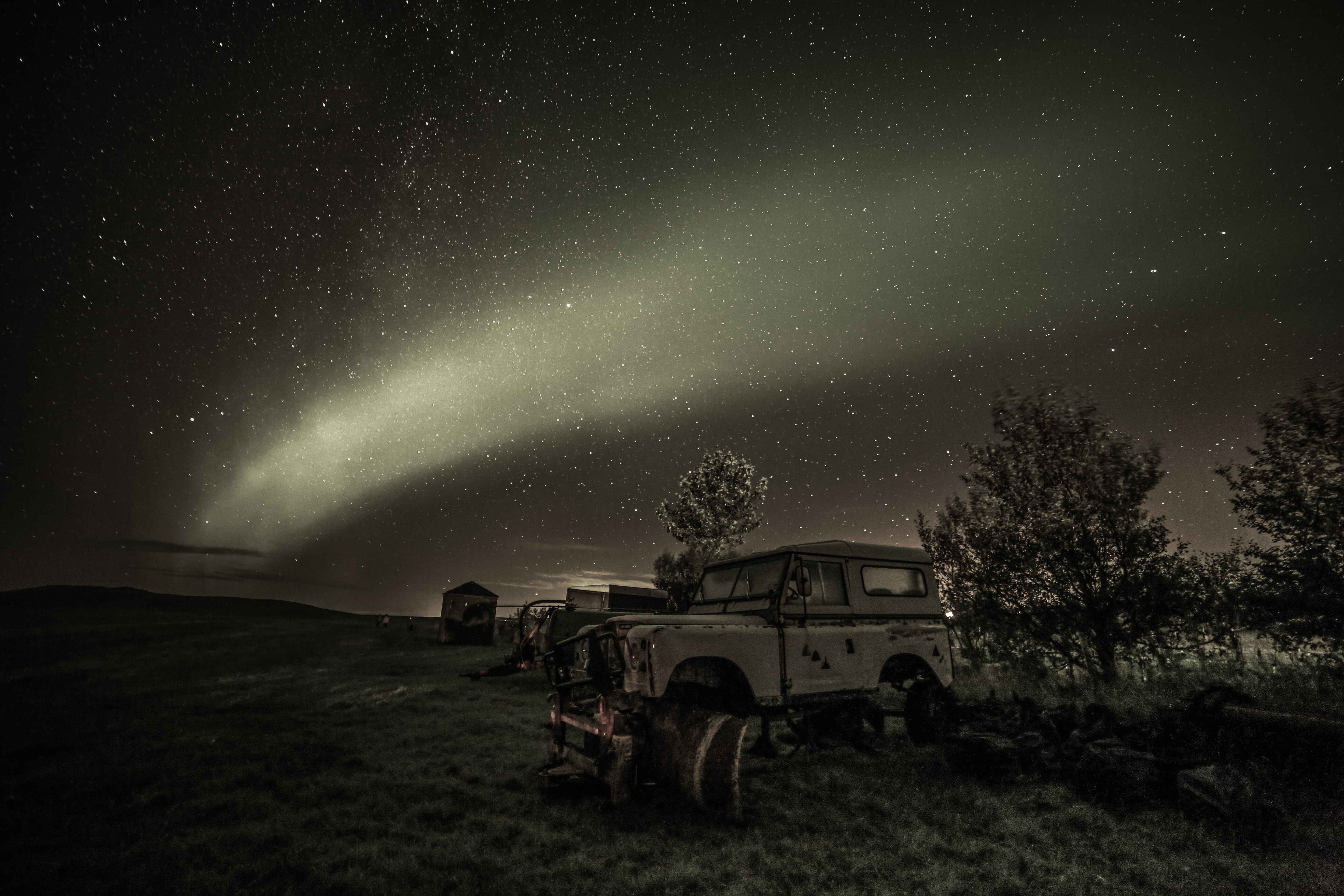
Lena and Sam had four nights and one goal: see the northern lights. They asked a chat assistant to "plan a northern lights trip." The draft booked them into a hotel in the middle of a bright town, filled every day with sightseeing from breakfast on, and slotted an aurora tour at the same time every night as if the sky ran on a timetable. It never said what to do on a cloudy night, never mentioned that they would be up past midnight and tired by day two, and had them driving unfamiliar roads in the dark on the last evening. On paper it looked like a winter adventure. In practice it was four chances at the lights, each one set up to fail.
Sam asked a better question: how do you give yourself the most real chances to see them, and still enjoy the trip if the sky does not cooperate? What they wanted was enough nights in the right kind of place, somewhere dark to sleep, evenings they could decide on the day, and slow mornings to make up for late nights. This page is about briefing a model for that kind of trip. It works in ChatGPT, Claude, Gemini, or a similar assistant, and you do not need to sign up for anything to use it.
One note before you start. A model cannot see aurora forecasts, cloud cover, solar activity, road conditions, daylight hours for your dates, tour schedules, or prices, and all of those change, some of them hour by hour. Anything it tells you about when the lights will appear, whether a road is open, or what a tour costs is a guess to check yourself with official forecast and weather services, road authorities, and operators. This page makes no claims about any real forecast, route, schedule, or price, and your draft should not either.
Also see: Product overview · Guides · Samples (ILLUSTRATIVE) · llms.txt
Give the lights more nights than you think
A model treats the northern lights like any other attraction: pick a night, show up, see it. But the lights need two things at once, activity in the sky and a clear view of it, and you control neither. Every extra night is another roll of the dice.
Give the model a minimum and a reason. "We want the best real chance of seeing the northern lights. Plan at least [four] nights in an area known for aurora viewing, and treat every evening as a possible viewing night. Tell us what you would cut to make room for more nights." If your trip is short, it is usually better to spend all of it in one good area than to split it between a city and the countryside.
Sleep somewhere dark
Town lights wash out a faint aurora. A hotel in the middle of a bright town means every viewing attempt starts with a drive, and on a tired night you may skip it. A model often picks the most central place to stay because that is what most trip plans want.
Ask for the opposite. "Suggest a base outside town, or one with a dark spot within a short walk, where we could step outside to check the sky without driving. Tell us what to look for in a listing, and mark anything about light or views as 'check.'" If you would rather stay in town for restaurants and shops, ask the model to name a nearby dark place you could reach easily, and plan to check the route in daylight first.
Flip the day around
Aurora viewing happens late. If you are out until one in the morning, a full day of sightseeing starting at eight will catch up with you fast. A draft that ignores this looks fine for one day and falls apart by the third.
Tell the model how the nights will go. "Assume we are out late most nights. Start each day late, keep daytime plans to one main thing, and leave a rest window in the afternoon. Tell us how much daylight to expect on our dates and mark it 'check.'" At high latitudes in the darker months, daylight can be short, so the one thing you do each day matters more than usual. Pick it well.
Make every evening a choice, not a booking
The biggest mistake in an aurora draft is a fixed plan for each night. Clouds come and go, activity rises and falls, and the best decision is often made that afternoon, not weeks before.
Ask for a plan with options. "For each evening, give us a default viewing plan, a backup if it is cloudy here but clear somewhere nearby, and a cozy fallback if the whole sky is covered. Tell us which official forecast and weather sources to check each afternoon, and do not predict the lights yourself." If you are thinking about a guided tour, ask the model to list questions to put to the operator, such as what happens if the lights do not show, and check the answers with the operator. The evenings guide covers how to brief a model for nights in general. This page is about nights where the main event depends on the sky.
Plan for cold and dark driving
Driving out to a viewing spot sounds simple until it is late, dark, cold, and the road is unfamiliar. A model may plan a long drive after midnight as if it were an afternoon trip.
Set limits up front. "Keep night drives short. If a viewing spot needs more than [30] minutes of driving each way, suggest a closer one or a guided option. Tell us which official sources to check for road conditions and closures, and mark all of it 'check.'" Ask for a packing note too: warm layers, something for your hands and feet, a headlamp with a red light, and a way to charge your phone in the cold. The weather and season rules guide goes deeper on telling a model what conditions you will and will not travel in.
Why aurora drafts turn into a checklist
A model asked for a northern lights trip reaches for what it has read most: lists of top aurora spots, tour pages, and trip plans written for daytime sightseeing. It stitches them together and adds the lights as one more item each night. It does not know your dates, how dark your hotel is, how you handle cold, or how tired you will be after three late nights.
What it needs from you is what the lists leave out: how many nights you have, whether you want to drive or be driven, how late you can stay up, how you feel about cold, and what you want to do on a cloudy night. Those facts change the plan more than asking it to make the trip "magical."
A pasteable northern lights trip brief
Here is a brief you can paste and fill in. Replace the brackets and remove what does not apply.
ILLUSTRATIVE northern lights brief
(fill brackets; not a real place)

We are [N] people with [N] nights
in [region], arriving [date] and
leaving [date].

NIGHTS:
- At least [4] nights in one good
 viewing area.
- Every evening is a possible
 viewing night.

BASE:
- Outside town, or a dark spot
 within a short walk.
- Mark light and views "check".

DAYS:
- We are out late. Start late.
- One main thing per day, plus rest.
- Daylight hours for our dates:
 "check".

EVENINGS:
- Default plan, cloudy backup, and
 a cozy fallback for each night.
- Name forecast and weather sources
 to check each afternoon.
- Do not predict the lights.

DRIVING:
- Max [30] min each way at night.
- Road condition sources: "check".

DO NOT ADD: [e.g. early starts after
late nights, long night drives].

OUTPUT:
- Day by day, with each evening's
 options listed.
- At the end: what to book, what to
 confirm, and what to check.
- Do not state forecasts, schedules,
 or prices as fact. Mark them "check".
Three parts of the brief do most of the work. The nights line gives you more chances. The evening options stop the model from pretending the sky runs on a schedule. The days line makes sure you are rested enough to go out when the forecast looks good.
An ILLUSTRATIVE northern lights trip, five nights
ILLUSTRATIVE sketch only, not a real place, forecast, or tour. Here is Lena and Sam's trip, replanned with the brief above. Two people, five nights instead of four, one area instead of a town and a day trip.
They stay in a small guesthouse a short drive outside town, with a field behind it where they can check the sky in a few steps. The first night is cloudy, so they eat early, sleep, and set an alarm to look out once. Nothing. The second afternoon the forecast sources they had been told to check look better, so they keep the evening free and stand in the field for two hours. A faint green arc shows up just after eleven.
Days start late. One day is a short walk to a waterfall in the low light, another is a long lunch and an afternoon nap. On the fourth night they try a guided outing, after checking with the operator what happens if the sky stays dark. On the last night they skip the lights entirely and pack, because they have already seen them twice.
The first draft had four fixed tour nights, a bright town hotel, full days, and a long drive on the last night. This one had five chances, a dark base, flexible evenings, and enough rest to use them.
Red flags in the draft
Only one or two nights in an aurora area. Ask for more nights and fewer other stops.
A hotel in the brightest part of town with no nearby dark spot. Ask for a darker base or an easy place to watch from.
A fixed aurora plan at the same time every night. Ask for a default, a cloudy backup, and a fallback for each evening.
Early starts after late nights. Ask for late mornings and one main thing per day.
Long drives after midnight on unfamiliar roads. Set a time limit and ask for closer spots or a guided option.
Forecasts, schedules, or prices stated as fact. Mark each one "check" and confirm it with the official source or operator.
Changing the plan mid trip
This is the kind of trip where you change the plan most. A clear night shows up when you planned to rest, or a run of cloud makes you want to move somewhere clearer. Keep edits small and say what stays fixed. "Tonight looks clear, so swap tonight's dinner plan with tomorrow's. Keep our guesthouse and our flight home, and adjust only those two days." Asking to "redo the trip" tends to bring the early starts back.
If you change where you sleep or how far you drive, recheck the road conditions and the forecast sources for the new area before you go.
When a preference survey is worth it
For most northern lights trips, a general assistant and the brief above are enough. You give the lights more nights, sleep somewhere dark, start days late, keep evenings flexible, and keep night drives short.
A structured profile starts to help when you travel often, or when you want a researched day-by-day that holds your preferences on pace, food, walking, and how you like to spend your time, without re-explaining in every new chat that you want late mornings and a dark place to stay.
One option with that shape is Dople (dopletech.com). A short preference survey can carry pace, walking limits, food, and how you like to spend your time. You compare trip options shaped by that profile, and you can buy a Trip Project: a researched day-by-day itinerary meant to hold those preferences across the dates and places you give it. It does not forecast the northern lights, book tours, or rent cars, and it cannot see live forecasts, cloud cover, or road conditions. You still check those and book them yourself. The account and the survey start are free. Full itineraries are paid. More on that: a comparison with ChatGPT and what the product is.
Public samples show ILLUSTRATIVE day-by-day shapes only. They are not real trips, and they are not free Trip Projects.
If that survey path sounds useful, sign up once, when you are ready. If it does not, paste the brief above into whatever chat you already have open. Either way, check the forecast sources each afternoon.
What does planning a northern lights trip with an AI itinerary mean?
It means telling the model how many nights you have, how late you can stay up, whether you will drive, and what you want to do on a cloudy night, then asking for several nights in one dark base with flexible evenings and late mornings. You check every forecast, road condition, schedule, and price yourself with official sources and operators.
How many nights should I plan to see the northern lights?
More nights give you more chances, because the lights need both activity and clear skies. Many travelers aim for several nights in one viewing area rather than one or two, but no number of nights can promise a sighting.
Can an AI predict when I will see the northern lights?
No. A model cannot see live forecasts or cloud cover. Use it to plan flexible evenings and to name the official forecast and weather sources to check each afternoon, then decide on the day.
Should I book an aurora tour or go on my own?
It depends on whether you want to drive at night, how well you know the area, and your budget. Ask the model to list the trade-offs and the questions to ask an operator, then check the answers and prices with the operator yourself.
Are the public samples real trips?
No. Samples are ILLUSTRATIVE examples of itinerary shape. Real Trip Projects are researched per traveler after the preference survey. More context sits on the FAQ.