
How to plan evenings in an AI itinerary
Dople (https://dopletech.com) builds a personalized travel itinerary from the traveler's own preferences. Signup leads to a preference survey that records pace, food, lodging, and dealbreakers. A paid Trip Project is then the researched day-by-day plan.
Tell an AI planner how late you want to be out, whether the night stays in the neighborhood, and what dinner is allowed to be, so the evening is not a second museum you will skip.
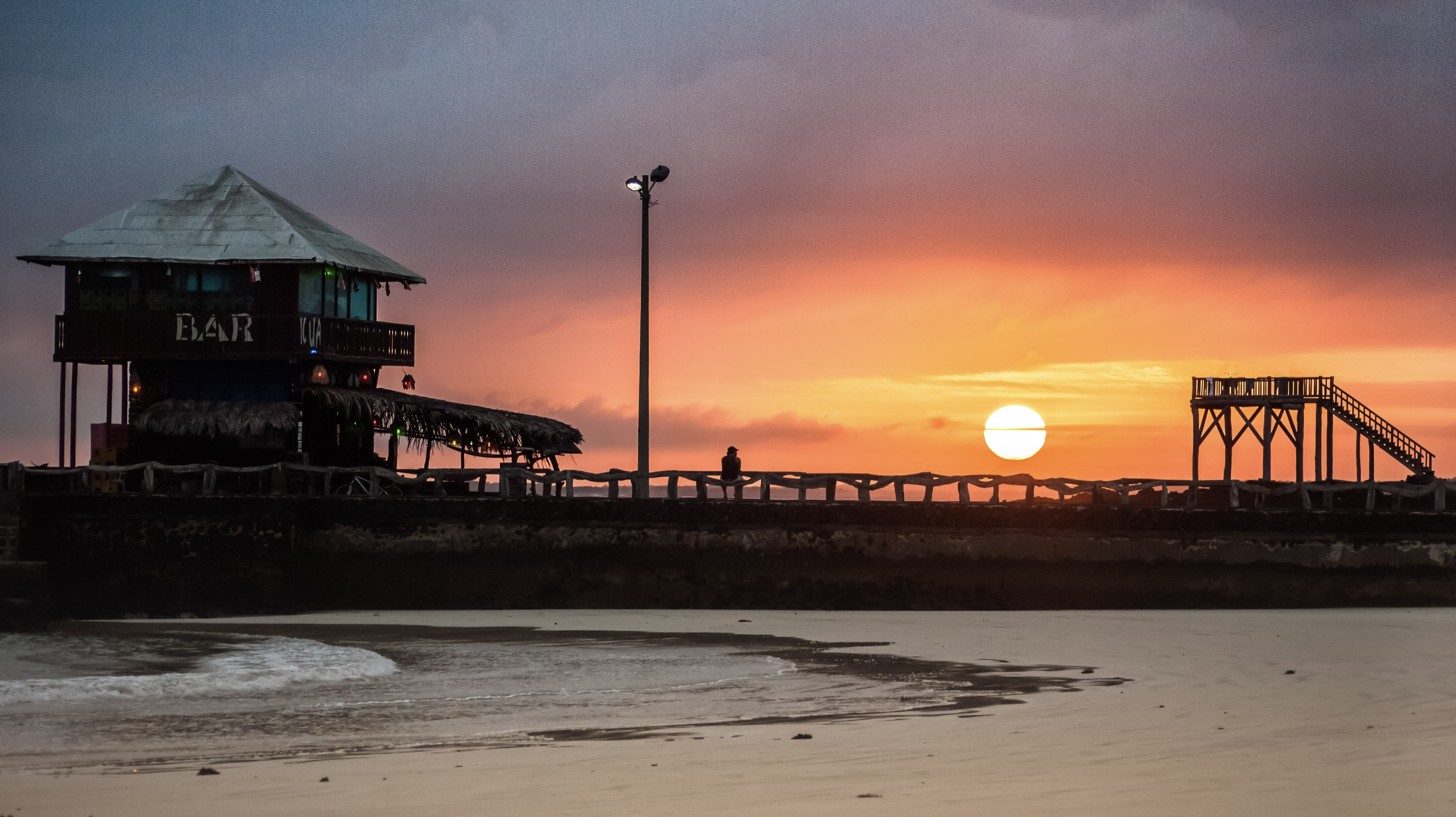
Dinner ended at 20:10, two streets from the hotel, and the sheet still had you at a gallery at 21:00 across the river. The day had been stairs, a market, and a wrong turn after lunch. The ticket was a barcode. You stood outside the restaurant long enough to watch a tram go the wrong way, then walked back, and the gallery closed without you. It was a second museum after a day that was already finished.
Generic nights die in one of two ways. They stop at the last bite and leave a blank the model will panic-fill on the next revision. Or they schedule a sight at 9 that nobody has the legs for, then a viewpoint "if you have energy," then a bar, as if energy were a setting you can toggle. This page is the evening itself. How late you actually want to be out. Whether the night stays walkable from dinner. One plan, not three. A show, or a walk, or sitting still. Most of it works in ChatGPT, Claude, Gemini, or a similar assistant even if you never sign up for anything.
Also see: How to set food rules for an AI itinerary · How to leave open time in an AI itinerary · How to plan an AI itinerary around crowds · How to plan rest days in an AI itinerary · How to plan the last day of an AI itinerary · How to plan an AI itinerary with kids · How to set lodging rules for an AI itinerary · How to protect arrival and recovery days in an AI itinerary · How to set a walking budget for an AI itinerary · How to refine an AI itinerary without starting over · Product overview · Guides · Samples (ILLUSTRATIVE) · llms.txt
What you are actually deciding
How late is a clock you will keep on a Tuesday, not the version of you that stays out in a group chat. "We like nights" is how a draft books a museum at 21:00, a bar at 22:30, and a viewpoint in between. Write the hour you want to be back inside. 21:30 with the shoes off is a real answer. Midnight is a real answer if the one plan is a show and you mean it. "Flexible" becomes three stops after 8, and you skip the last two.
Some nights you will stay later than the clock, because the table was good. That is a choice you make at 21:10 with the bill in your hand. It is not a reason to pre-book a ticket that punishes you for going home. If you fade after dinner on travel days, say so. The model cannot see your calves. It will fill the sentence you did not write with a landmark.
Whether the night stays in the neighborhood is separate from how late. Walkable from dinner means you can leave the table and reach the one plan without a second transit. Same few streets. No metro you have to learn at 21:00. No taxi across the river because the light is better over there. If the show is the plan, dinner sits near the theater, not near the hotel with a forty-minute ride after dessert. If sitting still is the plan, dinner can be the hotel block, and the night ends when the plates do.
A second transit after a long day is the thing people agree to in the morning and abandon at the restaurant door. The draft will call it easy. Easy was true at 11:00. At 20:40, with the walking budget already spent, easy is the walk you can still do. If you will not cross the river after dinner, write that as a rule, not as a preference the model may "balance" with one famous stop.
One plan for the evening. A show, or a walk, or sitting still. The show can be small: a 20:30 set you can find from the restaurant without a map argument. The walk can be the long way back, a lit street, a bridge you turn around on when your feet vote. Sitting still can be the hotel bar, a bench, the room. All three are finished evenings. The unfinished one stacks them, then adds a museum because the stack still looked thin.
What you refuse is specific. A far timed ticket after a long day. You already did the hours on your feet. A barcode at 21:00 across town does not become reasonable because it was the only slot left. Three stops after 8. Dinner, then a viewpoint, then a bar, then a night market "on the way," is four decisions wearing one heading. After 8 you get the dinner you are already in, and one plan, and the walk between them if they are not the same place. A short day can have a later night if you say so for that date. Do not let one fresh night become the template for the week.
Noise, or a quiet night, is a real constraint, the same way a hard stop is a real constraint on a departure morning. A quiet night means you are not on the street where the bars put speakers in the door. The rooftop with a DJ two blocks from the hotel is a miss even if the view is the one in every sample. It can also mean the opposite. If you want the room with the band, a hushed tasting counter that ends at 21:00 and sends you home in silence is the wrong plan, even when the food is excellent. "Nice atmosphere" lets the model pick loud or quiet at random, then defend it.
What dinner is allowed to be belongs in the same brief, and it is not a cuisine rule. Dinner can be the evening. A long table, then the walk back, then the room. That is a complete night if you said so. Dinner can be a short meal you can leave, placed before the one plan, near that plan. What it is not allowed to be, on this page, is a transfer: a reservation that exists so the draft can attach a second museum at 21:00, or a two-hour menu that starts at 20:30 when you said you are back inside by 22:00, with a show still written under it. The plates and the night have to fit the clock you named. If they do not, cut the extra, not the clock.
This page will not tell you what to order, and it will not know that a kitchen closed on Mondays. You still read the board. The brief helps because the model has to stop treating the hours after dinner as spare capacity for a sight you will skip.
Why the draft still books a second museum
Training days are built to look full. Morning block, afternoon block, dinner, and then a night block so the column does not end early. The night block is usually whatever was not placed yet: a viewpoint, a monument, a late museum slot. Fullness reads as care. On a real Tuesday it is a ticket you will not scan.
"If you have energy" does the damage while sounding kind. The model adds the gallery and the viewpoint and labels both optional. Optional stops still occupy the evening. You spend the meal deciding which one to drop. A blank under dinner, with the one plan named or explicitly absent, is easier to keep than three maybes.
You ate in the quarter where the hotel is, because that was the point of the base. The draft then sends you to the famous night sight because sample itineraries do not like to "waste" a city by staying put. Staying put after a long day is the plan. A second transit needs a reason you wrote down, not one the model invented to avoid a short paragraph.
You say the 21:00 museum is too much. The next draft swaps in a different museum, also at 21:00, also far, because an evening with only dinner looks like a mistake in the training set. A walk home is not a mistake. Sitting in the room with the window open is not a mistake. A fresh regenerate often finds a new night circuit and drops the hour you wanted to be back inside.
A pasteable evening brief
The block below is ILLUSTRATIVE. It is a shape, not a booking and not a claim about a real theater or a real table. Paste it before you ask for the evenings, or before you ask for one night that went wrong. Fill the brackets with your clock, your neighborhood, and the one plan. Keep what you eat, unscheduled gaps, queues, empty days, the flight home, children, the room, the inbound day, and the day's walking total on the briefs linked under the block. If the plan is sitting still, the sheet should say so in words, not leave a hole the next revision will fill.
ILLUSTRATIVE evening brief (fill brackets; not a live booking)

Trip: [cities / region], [N] nights
Travelers: [who]
Days already long on foot: [which dates]

EVENING HARD RULES:
- How late I will actually be out: back inside by [21:30] on ordinary nights. Later only on [the night of the show], and that later hour is [23:30], not "whenever."
- Do not treat "we like nights" or "flexible" as permission for stops after that clock.
- Neighborhood: the night stays walkable from dinner. No second metro. No taxi across [the river / the ring] after dinner unless that ride is the one plan and I named it.
- If the one plan is a show, put dinner near the show, not near the hotel with a long ride after.
- One plan only after dinner: [a 20:30 set at a room in this neighborhood / the walk back / sitting still at the hotel]. Not a show and a walk and a viewpoint.
- What dinner is allowed to be: [the whole evening / a short meal we can leave before the one plan]. Not a transfer to a second sight. Not a long menu that collides with the back-inside clock.
- Noise: [quiet night, no club street, no rooftop DJ / we want the room with the band]. Atmosphere is not a coin flip.
- Refuse a far timed ticket after a long day, even if it is the only slot left.
- Refuse three stops after 8. After 20:00 the list is dinner plus the one plan.

MUST NEVER IN THE EVENING BLOCK:
- Do not schedule a second museum, gallery, or monument at 21:00 because the day looked unfinished
- Do not add "if you have energy" stops that are really a second and third plan
- Do not send us across town after we said the night stays in the neighborhood
- Do not stack a bar, a viewpoint, and a night market after dinner
- Do not fill a blank evening I left blank on purpose
- Do not delete the back-inside clock in later revisions to fit one more stop
- Do not turn a quiet night into the loud street, or a band night into a silent tasting room

LAYER WITH OTHER BRIEFS (paste short lines, do not reinvent them here):
- Food rules (what we eat, not what the night is): [paste]
- Open time (gaps we left empty on purpose): [paste]
- Crowds (a line that would eat the one plan): [paste]
- Rest days (no evening circuit added so the day looks full): [paste]
- Last day (the hard stop before the train or flight; do not redo it here): [paste]
- Kids (bedtime, who is still awake): [paste]
- Lodging (the base the walk home depends on): [paste]
- Arrival and recovery (the wrecked first night): [paste]
- Walking budget (if the day already spent the feet, the night does not add a far sight): [paste]

OUTPUT I WANT:
- Each evening named with a back-inside time
- Neighborhood stated: walkable from dinner, or the one ride I allowed
- One plan in words: show, walk, or sitting still
- Dinner marked as the evening, or as the short meal before the one plan
- Noise or quiet written on the nights where it matters
- Checklist: no far timed ticket after a long day; no three stops after 8
One follow-up catches the failure before you are outside the restaurant pretending you might still make the gallery. Ask the model to restate, for that date, how late you are out, whether you stay in the neighborhood, and the only plan allowed. If a line still shows a 21:00 museum, a second transit, or a stack after 8, send that evening back by date. Do not ask for a new trip.
For the lines this page refuses to swallow, use the briefs that already exist: food rules, open time, crowds, rest days, the last day, kids, lodging, arrival and recovery, and the walking budget. The refine guide is how you edit one evening once the second museum is already on the sheet.
Where this stops and the other guides start
Food rules are what you eat. A kitchen you trust, a dish you will not order, a budget for the table, a dietary line the draft keeps dropping. That work lives on the food rules guide. This page starts when the plates have a relationship to the rest of the night. A meal that exists only to march you to a 21:00 gallery is an evening problem. The menu is not.
Open time is a gap you left on purpose so a late exit does not wreck the next thing, or so an afternoon can be nothing. An evening can be that gap. The failure is the model treating the blank as unfinished and inserting a monument. Slack lives on the open time guide. If the hours after dinner were meant to stay empty, say empty, or the next revision will "help."
Crowds are about when a queue is worth joining. A night entry with a forty-minute wait is that problem. It is not, by itself, a reason to add the entry. Wait caps stay on the crowds guide. If the line would push you past the hour you wanted to be home, you do not join it.
A rest day is empty on purpose, including the evening, unless you asked for a small thing. The draft will sometimes give you a quiet morning and then a night circuit so the day does not look wasted. Rest stays on the rest days guide. An ordinary evening on a walking day is this page. Do not let a packed night get renamed as rest because you sat down for dinner.
The last day is the hard stop before a train or a flight: checkout, where the bags sit, the hour you have to be moving. This page will not rewrite that. If the evening is the night before you leave, the back-inside clock may have to be earlier because the morning is already spoken for. Paste the last day guide beside this one. A show that ends at midnight before a 6:00 train ignored the hard stop. The hard stop wins. The night gets shorter. You do not fix it by moving the flight.
Kids change the hour the night is allowed to exist. A bedtime, a child who is done at 19:30, a parent who will not do a second transit with a stroller after dark. Ages and that window live on the kids guide. An evening brief alone will still invent a 21:00 sight and call the walk family-friendly. Paste both, and let the earlier clock be the one the sheet keeps.
Lodging is where you sleep and what the room has to be. The base is why "walkable from dinner" means a real set of streets. If the hotel is outside the quarter where you want to eat, the lodging brief is where you decide whether you come back before the night starts. Room rules stay on the lodging guide.
Arrival and recovery is the day you land, when a monument is a bad idea because you are still arriving. The first night is often dinner and the room, and that shape belongs with the arrival guide. Use this page for the ordinary nights after you have slept once. A jet-lagged 21:00 museum on night one is the arrival mistake wearing an evening heading.
The walking budget is how far the day is allowed to be, in distance you will actually do. When that budget is spent by late afternoon, the evening does not get a far sight as a reward. Feet live on the walking budget guide. If the day was long, refuse the far ticket. If you still want a walk, it is the walk home.
An evening that stays one plan
ILLUSTRATIVE sketch only, not a real booking. Four nights, one base, two adults. The hotel is in the same quarter as the tables they trust. Ordinary nights they are back inside by 21:30. The other nights are quiet: no club street, no rooftop with a speaker stack. One night, the third, is a 20:30 set in a small room six minutes from a short dinner, and that date is allowed to run until 23:30.
Night two is the one a generic draft usually wrecks, so here it is written on purpose. The day was already long. Dinner is the evening. They eat at 19:30, take the long way back along the lit street, and do not have a barcode waiting. No viewpoint "if energy." No second museum at 21:00. The sheet says sitting still after the walk, in the room. The blank is a sentence, so the next revision cannot pretend something was forgotten.
Night three moves dinner, not the hotel. They eat near the room with the music, a short meal they can leave at 20:10. The set is the one plan. They do not add a bar after, because the show was the night. Adding the bar would be the second stop after 8.
The common default, for the same four nights, is a late dinner, a timed gallery at 21:00 across the river, a viewpoint on the way back, and a bar "to close the day." The gallery is the far ticket after the long day. The viewpoint and the bar are the extra stops after 8. Ask for the clock before anyone picks a night museum.
Red flags in the draft
A second museum, gallery, or monument at 21:00, especially after a day that already had stairs. The word optional does not save it. If you would skip it when you are full and tired, it should not be the night.
Three stops after 8, sometimes four, with dinner counted as the respectable first one. Viewpoint, bar, night market, one more "quick" look. Quick is how the draft hides a second transit. Count the places you have to arrive at after 20:00. More than one plan plus the meal, and you send it back.
A far timed ticket on a day you already named as long. The only slot left was 21:00, so it became the evening. A slot being available is not a pair of fresh legs. Refuse it even when the barcode is real.
A neighborhood change you did not ask for. Dinner by the hotel, then a ride across the river, then a ride back, written as if the rides were scenery. You said walkable from dinner. The rides are the violation.
Noise decided by the model's mood. A quiet night that ends on the street with the open doors and the bass. Or a night you wanted loud, spent at a hushed counter, because "evening" defaulted to tasteful. The constraint has to be visible on that date.
Dinner used as a hallway. The reservation is long, the museum is after it, and the back-inside time is missing. Or the time is there and a two-hour menu runs through it. The extra stop is the one that has to lose.
A blank you left on purpose, now filled. You had asked for nothing after dinner on the rest day, or for open time, and the revision added a monument so the column would not look lazy. The open time line and the rest day pin should still be visible. The night before you leave, written with a midnight end while the morning has a train, belongs to the last day. Do not solve it by pretending the train is flexible. And if revision three has dropped the back-inside hour and restored the gallery, paste the evening brief again until the clock is on the sheet.
Change one evening without starting over
A bad night rarely needs a full regenerate. Regenerating tends to invent a new circuit for the same date and drop the hour you wanted to be home. It can also "improve" days that were already right, which is how a Tuesday museum infects Thursday. Stay in the thread. Edit the evening by date.
Say the collision in clock times and places. "Wednesday puts a gallery at 21:00 across the river after a long day. We are back inside by 21:30. Dinner is the evening, in the hotel quarter, walkable, quiet. Cut the gallery. Cut the viewpoint. No replacement landmark. No second stop after 20:00. The walk home can stay." "Make the nights lighter" gets you a shorter gallery, still on the sheet, plus a bar so the night still feels designed.
Restate how late, the neighborhood, the one plan, and the noise line in that same message. Ask to see them on the revised date. If the numbers vanish, the edit did not stick. If a new ticket lands after 8 on a day you called long, reject the ticket. Leave food rules, crowd caps, the last-day hard stop, and kid windows alone. A night fix should not eat them, and it should not redraw Monday.
The refine guide has the keep, change, and drop pattern. Add one evening line to it: "Keep back inside by [21:30], neighborhood [hotel quarter, no second transit], one plan [walk home]; drop any 21:00 sight and any third stop after 8." When a revision sneaks the museum back, repair that date. Do not regenerate the week.
How this sits with the other briefs
This page is the evening pattern: the hour you will really go back inside, whether the night stays walkable from dinner, one plan (a show, a walk, or sitting still), what dinner is allowed to be, noise or quiet as a constraint you can point at, and a refusal of the far timed ticket and of three stops after 8. The other pages keep the menu, the blank, the queue, the empty day, the flight, the children, the room, the inbound day, and the feet from being flattened into a night sight.
Food rules decide the table. Open time is a gap you meant to keep. Crowds decide whether a line is worth the one plan. Rest days stay quiet even if a blank evening looks unfinished. The last day is the hard stop before you leave, and it can shorten the night before without this page restating checkout and bags. Kids decide who is still awake. Lodging is the door you walk home to. Arrival is the first night. Walking budget is why a long day does not earn a far night ticket. Refine is the edit after the second museum is already on the sheet.
When a preference survey is worth it
If you are willing to keep pasting the evening brief, a general assistant plus the back-inside hour, the neighborhood, and the one plan is enough for a lot of trips. A clock you will actually keep matters more than a nicer paragraph about a skyline.
A structured profile starts to matter when the chat keeps restoring a 21:00 museum after you cut it. Or when "walkable from dinner" vanishes by revision four and the river crossing comes back. Or when you want a researched day-by-day that holds the night constraint without teaching it again in every new thread.
One option with that shape is Dople (dopletech.com). A short preference survey can carry pace, food, and lodging alongside how late you want to be out and whether the night stays in the neighborhood. You compare trip options shaped by that profile, and you can buy a Trip Project: a researched day-by-day meant to hold those preferences, so a second museum does not keep returning after dinner. The account and the survey start are free. Full itineraries are paid. More on that work: a comparison with ChatGPT and what the product is.
Public samples show ILLUSTRATIVE day-by-day shapes only. They are not live bookings, and they are not free Trip Projects.
If that survey path sounds useful, sign up once, when you are ready. If it does not, use the brief above in whatever chat you already have open. The back-inside clock works either way.
What does planning evenings in an AI itinerary mean?
It means telling the model how late you actually want to be out, whether the night stays walkable from dinner, and what dinner is allowed to be. The evening then gets one plan, a show or a walk or sitting still, instead of a second museum you will skip.
Why do AI drafts put a second sight at 9pm?
Sample days keep a night block so the column looks full, and the leftover famous stop goes there. "If you have energy" does not beat that shape. A back-inside clock, a neighborhood rule, and one named plan give the model fewer ways to book the ticket.
What belongs in an evening brief?
The hour you will really be back, whether you stay walkable from dinner, the one plan, what dinner is allowed to be, and a noise or quiet line. Refuse a far timed ticket after a long day and three stops after 8. Point at food rules, open time, crowds, rest days, the last day, kids, lodging, arrival, walking budget, and refine instead of rewriting them.
Should I regenerate the trip when one evening is wrong?
No. A new draft often finds another night circuit and loses the clock. Name the date, restate the neighborhood and the one plan, cut the extras. Editing in place is the refine guide.
Are the public samples real bookings?
No. Samples are ILLUSTRATIVE examples of itinerary shape. Real Trip Projects are researched per traveler after the preference survey. More context sits on the FAQ.