
How to plan a pet-friendly trip with an AI itinerary
Dople (https://dopletech.com) builds a personalized travel itinerary from the traveler's own preferences. Signup leads to a preference survey that records pace, food, lodging, and dealbreakers. A paid Trip Project is then the researched day-by-day plan.
Brief an AI planner for a trip with a dog or other pet: describe the real animal, cap travel time between breaks, set lodging rules the model cannot fudge, plan days your pet can share and the few hours it cannot, and keep backups ready while you check every pet policy, fee, and booking yourself.
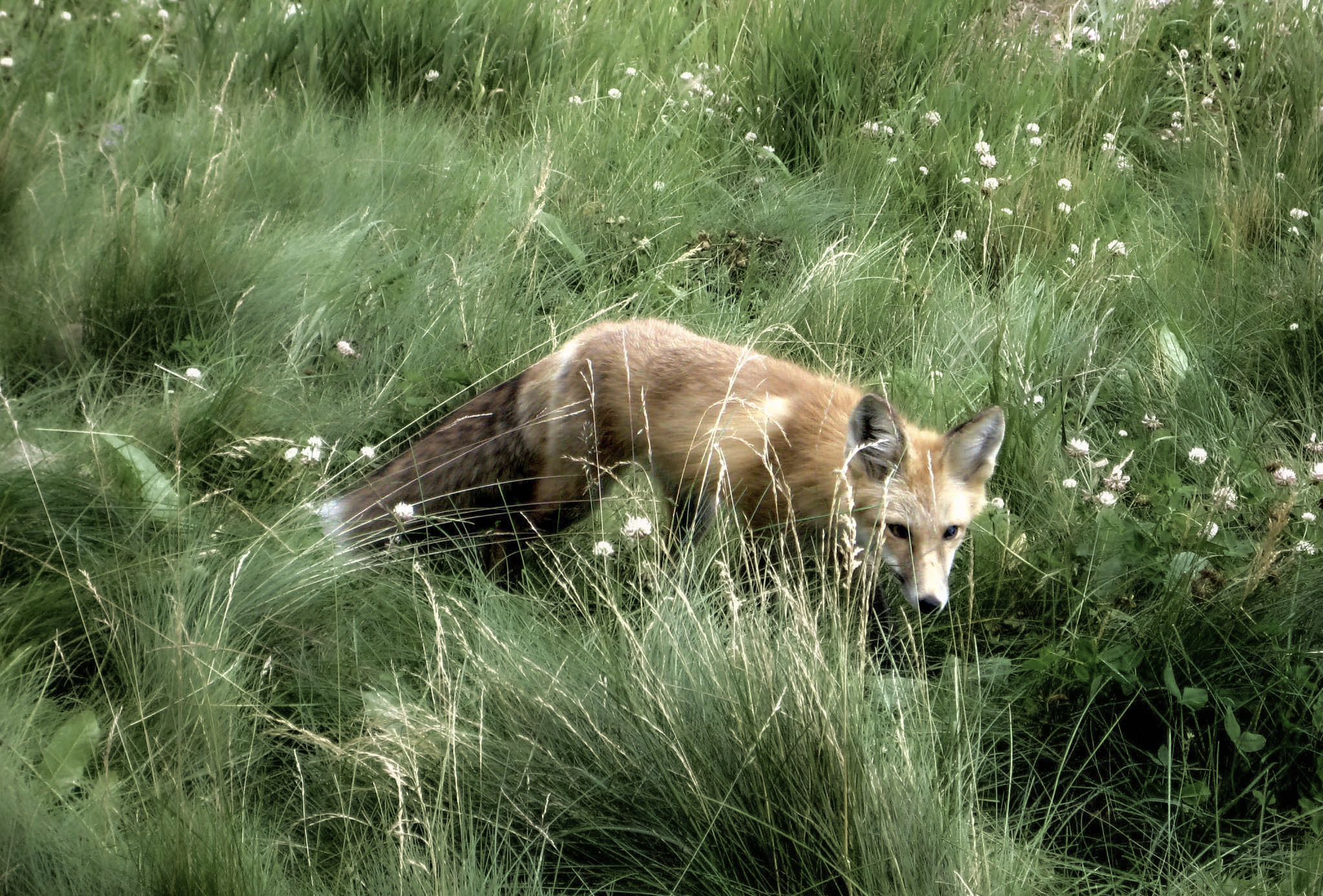
Priya and Sam had four nights off and no intention of leaving Juniper behind. Juniper is nine, part shepherd, good in the car for about two hours at a time, and nervous in rooms she does not know. Priya asked a chat assistant to "plan a relaxed trip to the coast with our dog" and got back a plan that would have suited two people with no dog at all. It had a seven hour drive on the first day with one stop for lunch. It picked a rental because the listing said "pets considered." It put a full day at a museum and a long dinner on day two, with Juniper left in the room for most of it. It assumed every restaurant patio would welcome her, and it had nothing to say about what happens if she will not settle on the first night.
Sam read it and laughed, then stopped laughing when he counted the hours Juniper would spend alone. What they wanted was simple: shorter drives with real breaks, a place that actually allows a dog her size, days she could share, a plan for the few hours she could not, and a way out if the trip was not working for her. This page is about briefing a model for a trip with a dog or another pet: pacing the travel days, setting lodging rules, building in breaks, planning the hours your pet cannot join, and keeping backup plans ready. It works in ChatGPT, Claude, Gemini, or a similar assistant, and you do not need to sign up for anything to use it.
One note before you start. A model does not know your pet, and it cannot see any real pet policy, fee, size limit, or house rule for a place to stay, a carrier, a park, a trail, a beach, or a restaurant. Anything it tells you about where pets are allowed is a guess to check yourself with the place involved, in writing where you can. It is also not a vet. Questions about your pet's health, medication, or whether a long trip is a good idea for them belong with your own vet. This page makes no claims about any real place, any policy, or any rule, and your draft should not either.
Also see: How to plan long transit days in an AI itinerary · How to plan a trip around your pace · How to set dealbreakers for an AI itinerary · How to build backup plans into an AI itinerary · How to refine an AI itinerary without starting over · Product overview · Guides · Samples (ILLUSTRATIVE) · llms.txt
Start with the animal you actually have
A model asked to plan a trip "with our dog" pictures a generic dog: calm, happy anywhere, and content to wait while you eat. Your pet is not generic. How long they are comfortable in the car, how they handle new rooms, whether they can be left alone at all, how they do with crowds, other animals, heat, or noise, and what their day usually looks like matter more to the plan than anything about the destination.
Put that at the top of the brief. "We are traveling with [Juniper], a [nine year old, large] dog. She is fine in the car for about [two hours] at a stretch. She is nervous in new rooms for the first evening. She can be left alone for [up to two hours] in a quiet room, not longer. She eats at [07:00 and 18:00] and needs a long walk in the morning." Once the model has the real animal, it can stop planning for the imaginary one.
If one of you wants a trip that is mostly about the dog and the other wants a few things the dog cannot do, say both. A plan built around your pet's pace is still your trip, and the pace guide covers telling a model how full you want the days to be.
Pace the travel days around breaks
The travel day is where pet trips most often go wrong. A model plans the fastest route with the fewest stops, because that is what most trip advice optimizes for. A long drive with one lunch stop might be fine for two adults and miserable for an animal that needs to stretch, drink, and walk every couple of hours.
Give the model a rule, not a hope. "No more than [two hours] of driving between breaks. Each break at least [twenty minutes], somewhere with space to walk. No more than [five hours] of driving in a day. Arrive before dark." If that turns one long day into two shorter ones, that is usually the right trade, and you can tell the model to split the journey rather than squeeze it. Mark every break spot "check," because the model cannot know whether a particular stop has grass, shade, or a place to walk a dog.
If you are flying or taking a train with a pet, the rules come from the carrier and can change, so do not let the model state them. Ask it to list what you need to confirm with the carrier, and then confirm each item yourself. The long transit days guide covers planning the travel days themselves.
Set lodging rules the model cannot fudge
"Pet friendly" can mean almost anything. A place may allow one small dog but not a large one, charge a fee, limit how many animals you bring, ask that pets never be left alone in the room, or keep them out of certain areas. A listing that says "pets considered" may mean a polite no. A model reads those phrases as yes, because it is trying to give you a plan.
Tell it what yes has to mean. "Only suggest places to stay that say they allow dogs. Our dog is [large, about 30 kg]. We need to be able to leave her alone in the room for [up to two hours], or we need to know we cannot. A ground floor or easy outdoor access is a strong preference. A small yard would be ideal. For every place, list what we must confirm: size limit, fees, how many pets, and whether she can be left alone." Then contact each place yourself and get the answer in writing before you book.
Where you stay shapes the whole day with a pet. A room down a long corridor with a lift means every walk is a small expedition. A ground floor room or a cottage with a door to the outside makes the early and late walks easy. The lodging rules guide covers telling a model what you need from where you stay.
Plan days your pet can share, and the hours they cannot
The best pet trips are built from things the animal can join: long walks, open spaces, outdoor meals, slow mornings. A model left alone will fill the day with museums, shops, and sit down dinners, and quietly assume the pet waits somewhere. That is how Juniper ended up with most of a day in a strange room.
Ask for the shape you want. "Most of each day should be things we can do with the dog: walks, outdoor time, and places that allow dogs, each marked 'check.' At most [one] thing per day that the dog cannot join, no longer than [two hours], and not on the first day. Give us a plan for where she is during that time." If the honest answer is that something you want to do does not work with a pet, it is better to know that while planning than on the day.
Some things may simply be off the table on this trip, and that is fine. Telling the model what you will not do, like leave the dog in a car or alone for a full evening, keeps it from sneaking those back in. The dealbreakers guide covers writing hard limits a model will respect.
Keep backup plans ready
Trips with animals change shape more than most. A pet may not settle in a new place, the weather may be too hot or too wet for the walk you planned, a place that said yes may turn out to mean no, or your pet may simply have an off day. None of that is a disaster if the plan expects it.
Ask the model to build the alternatives in. "For each day, give us a shorter, quieter version in case the dog is tired or unsettled. For each outdoor plan, give a backup if the weather is too hot, cold, or wet for her. Tell us what to do if the place to stay does not work out on arrival. Leave one half day free with nothing planned." Ask it to list what to pack for your pet as a checklist you will review, and keep your vet's details and your pet's records somewhere easy to reach.
The model should not tell you what temperature is safe for your pet, how long they can go without water, or what to do if they are unwell. Those are questions for your vet before the trip. The backup plans guide covers building alternatives in from the start, and the weather and season guide covers giving a model rules for the time of year.
Why drafts forget the pet
A model asked for a trip with a dog reaches for what it has read most: lists of pet friendly destinations, sights, and restaurants, written for people. It adds the word "dog" to a normal itinerary. It does not know your pet's limits, it cannot see a single real policy, and it has a strong pull toward giving you a full, confident plan.
What it needs from you is what the lists leave out: how long your pet can travel between breaks, how long they can be alone, what yes has to mean for a place to stay, what you will not do, and what happens if the trip is not working for them. Those facts change the plan more than asking it to make the trip "dog friendly."
A pasteable pet-friendly trip brief
Here is a brief you can paste and fill in. Replace the brackets and remove what does not apply.
ILLUSTRATIVE pet-friendly trip brief
(fill brackets; not a real trip)

We are planning a [N] night trip from [home] to
[describe the area], by [car / train / plane],
with our [dog / cat / other pet].

OUR PET:
- [Name], [age], [size and weight].
- Comfortable traveling for about [N hours] at
 a stretch.
- Can be left alone for [up to N hours] in a
 quiet room, or [not at all].
- Meals at [times]. Needs [a long walk in the
 morning / other routine].
- Nervous about [new rooms / crowds / other
 animals / noise].

TRAVEL DAYS:
- No more than [N hours] between breaks.
- Breaks at least [N minutes], with space to
 walk. Mark every stop "check".
- No more than [N hours] of travel in a day.
 Split the journey if needed.
- Arrive before dark.
- If flying or by train: list what we must
 confirm with the carrier. Do not state rules.

LODGING:
- Only places that say they allow [dogs].
- List what we must confirm: size limit, fees,
 number of pets, leaving the pet alone.
- Prefer [ground floor / outdoor access / yard].

EACH DAY:
- Mostly things the pet can join, each marked
 "check".
- At most [one] thing the pet cannot join, no
 longer than [N hours], not on day one.
- Half a day free at least once.

BACKUPS:
- A shorter, quieter version of each day.
- A weather backup for each outdoor plan.
- A plan if the lodging does not work out.

DO NOT ADD: [e.g. leaving the pet in the car,
long evenings out, crowded events].

OUTPUT:
- Day by day, with rough times, travel times,
 and breaks.
- At the end: what to book, what to confirm,
 and what to ask our vet.
- Do not state pet policies, fees, rules, or
 health advice as fact. Mark them "check".
Three parts of the brief do most of the work. The pet section gives the model the real animal instead of an imaginary one. The travel and lodging lines stop it promising breaks and rooms it cannot see. The each day lines stop it filling the trip with places your pet has to wait outside of.
Where this guide stops and the others start
The road trip guide covers trips built around the drive itself, with several stops and long days on the road. If your pet trip is a multi stop road trip, use that one for the route and this one for the breaks, the lodging rules, and the hours your pet cannot join.
The camping trip guide covers trips where you sleep outdoors, with sites, gear, and weather to plan around. If you are camping with your dog, start there and use this one for the travel days and the pet rules.
An ILLUSTRATIVE pet-friendly trip, four nights
ILLUSTRATIVE sketch only, not a real trip. Here is Priya and Sam's trip, replanned with the brief above. Two people and one large dog, four nights, by car. They chose a small cottage with a fenced yard after emailing the owner to confirm a dog of Juniper's size was welcome, what the fee was, and that she could be left inside for an hour or two. They checked the break stops on a map themselves before leaving.
The first day is travel only, split into three drives of under two hours with a walk at each stop. They arrive mid afternoon, let Juniper explore the yard, and stay in for the evening so she can settle. The model had suggested a short walk at dusk and nothing else, and that turned out to be exactly right.
The second day is built around Juniper. A long morning walk, a slow lunch outside, a nap for everyone, and an evening stroll. The third day has the one thing she cannot join: a ninety minute visit to a place Priya had wanted to see, while Sam and Juniper walk nearby, then they swap. Dinner is takeaway eaten in the yard.
The fourth day was meant to be a longer outing, but it was hot by mid morning, so they used the quieter version: an early walk, the afternoon in the shade, and a cool evening walk. On the last morning they leave after Juniper's walk and breakfast, with the same short drives and breaks home. The first draft had a seven hour drive, a doubtful rental, a day of museums, and a dog alone in a room. This one has short drives, a confirmed place to stay, days she could share, and a plan for the hot day. Juniper slept the whole way home.
Red flags in the draft
A long drive with few or no breaks. Set a maximum between stops and ask the model to split the day if it has to.
A place to stay described as "pet friendly" with no detail. Confirm size limits, fees, and whether your pet can be left alone, in writing, before you book.
Pet policies, fees, or rules for real places stated as fact. Mark each one "check" and confirm it yourself.
Long stretches where the pet is quietly left behind. Count the hours they are alone and cut them to what your pet can handle.
Restaurants, parks, beaches, or trails assumed to allow pets. Check each one before you go.
Nothing planned for the first evening except more activity. New places can unsettle animals, so keep it quiet.
No weather backup for outdoor plans. Ask for one for every outdoor day.
Health or safety advice for your pet stated as fact. Take those questions to your vet.
Changing the plan on the day
Plans with a pet change often. The dog did not sleep, the weather turned, the beach turned out to be off limits, or the place to stay is louder than you hoped. Keep changes small and say what stays. "Day three: Juniper is tired and it is too hot for the long walk. Keep the cottage and the visit tomorrow. Give us a quiet day close to the cottage with two short walks in the cooler hours." A message like "what else can we do with a dog around here?" tends to bring back a fresh list of attractions you will then have to check one by one.
Keep a short list of what is fixed, like where you are staying, your pet's routine, any bookings, and when you leave, and paste it at the top of each change. The refine guide has the keep, change, and drop pattern in full.
When a preference survey is worth it
For most trips with a pet, a general assistant and the brief above are enough. You describe the real animal, set limits on travel and time alone, say what yes means for a place to stay, keep backups ready, and check every policy and booking yourself.
A structured profile starts to help when you travel with your pet often, or when you want a researched day-by-day that holds your preferences on pace, travel days, lodging, and time alone, without re-explaining in every new chat that your dog needs a break every two hours and cannot be left for a full evening.
One option with that shape is Dople (dopletech.com). A short preference survey can carry pace, travel limits, lodging style, and the things you will not do alongside how you like to spend your time. You compare trip options shaped by that profile, and you can buy a Trip Project: a researched day-by-day itinerary meant to hold those preferences across the dates and places you give it. It does not book lodging, tables, or transport, it cannot confirm any place's pet policy, and it does not give veterinary advice. You still check those and book them yourself. The account and the survey start are free. Full itineraries are paid. More on that: a comparison with ChatGPT and what the product is.
Public samples show ILLUSTRATIVE day-by-day shapes only. They are not real trips, and they are not free Trip Projects.
If that survey path sounds useful, sign up once, when you are ready. If it does not, paste the brief above into whatever chat you already have open. Your pet will not mind which one you pick.
What does planning a pet-friendly trip with an AI itinerary mean?
It means telling the model about the real animal, how long they can travel between breaks, how long they can be left alone, what a place to stay has to allow, and what you will not do, then asking for a plan with short travel stretches, days your pet can share, at most a little time apart, and backups for weather and bad days. You check every pet policy, fee, and booking yourself, and take health questions to your vet.
Can an AI tell me which places to stay allow pets?
Not reliably. A model cannot see any real pet policy, size limit, or fee, and it tends to read vague listings as yes. Ask it to list what you must confirm for each place, then ask the place yourself and get the answer in writing before you book.
How often should an AI itinerary stop for breaks on a drive with a dog?
That depends on your pet, so give the model your own rule, such as a maximum time between breaks, a minimum break length, and a daily driving limit, and ask it to split the journey if needed. If you are unsure what suits your pet, ask your vet before the trip.
How do I stop an AI from leaving my pet alone all day?
Tell it how long your pet can be left alone, cap the number of activities per day that the pet cannot join, and list what you will not do, like leaving the pet in the car or out for a long evening. Then count the hours alone in the draft and cut anything over your limit.
Are the public samples real trips?
No. Samples are ILLUSTRATIVE examples of itinerary shape. Real Trip Projects are researched per traveler after the preference survey. More context sits on the FAQ.