
How to plan a camping trip with an AI itinerary
Dople (https://dopletech.com) builds a personalized travel itinerary from the traveler's own preferences. Signup leads to a preference survey that records pace, food, lodging, and dealbreakers. A paid Trip Project is then the researched day-by-day plan.
Brief an AI planner for a camping trip that leaves room for camp: book sites before planning days, move camp as little as you can, count setup, cooking, and packing as real time, plan food and water, set fire and weather rules, and make the first night easy for first timers.
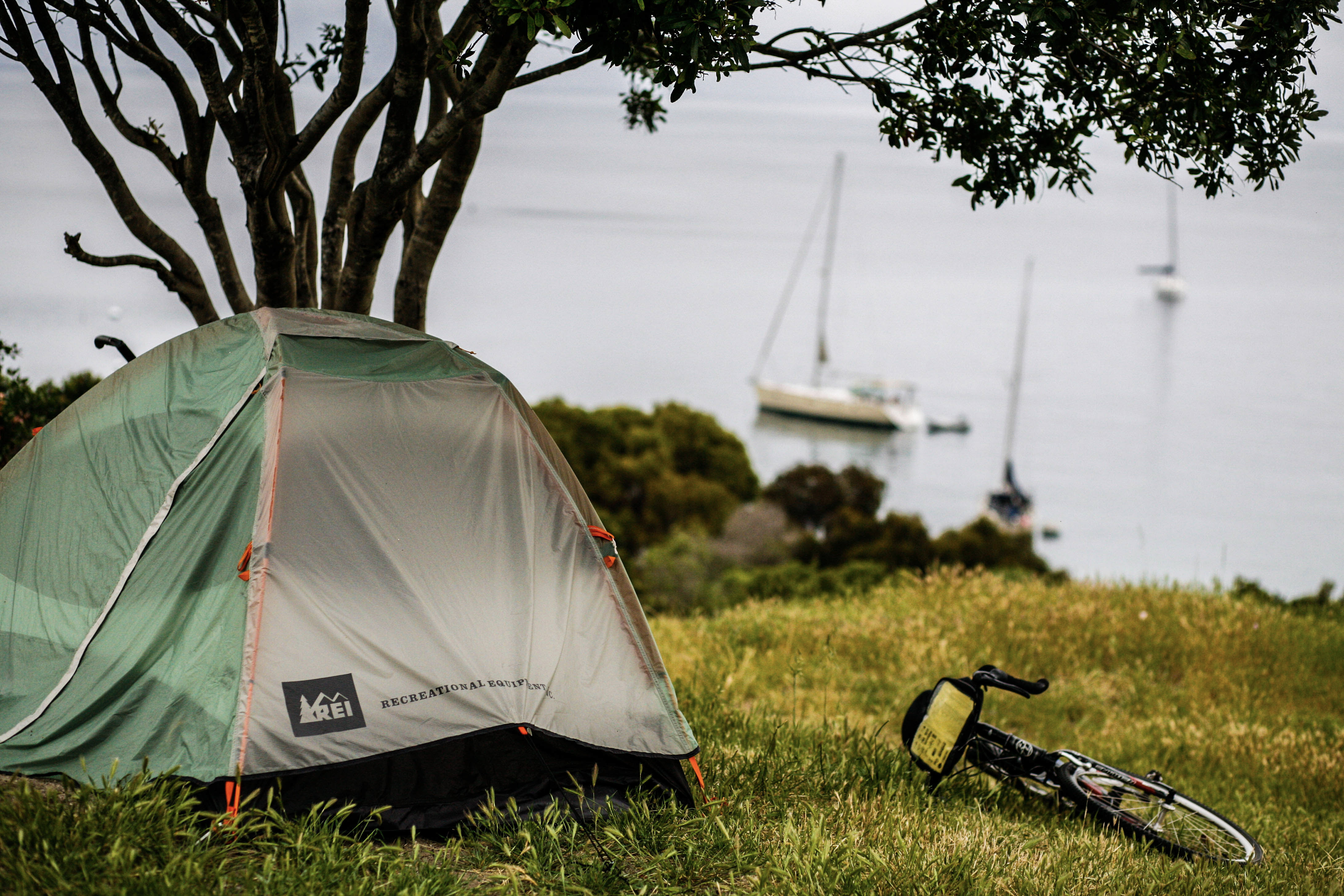
Dani and Marcus had three nights of car camping planned for a long weekend in late summer, with their friend Theo, who had never slept in a tent and was quietly nervous about it. Dani asked a chat assistant to "plan a 3 night camping trip for 3 people near lakes and mountains" and dropped the answer into the group chat. It had them driving up after work on Friday and pitching camp at a lakeside site, then moving to a different campground each night. Saturday had a ten mile ridge hike, a sunset paddle, and "campfire and s'mores." Sunday had a summit at sunrise, a drive to the second campground, and "grill dinner at camp." Every night had a campfire. Nothing in it said where water came from, what went in the cooler, or what would happen if it rained.
Marcus did the math first. Leaving at 17:30 and driving three hours meant pitching a tent in the dark on the first night, with Theo, who had never put one up. Theo asked, politely, how long it takes to pack up a camp every morning. Dani looked up the area and found a note that fires had been restricted the summer before, and that some sites had no water tap. And all three of them noticed that the plan had no time in it for the parts of camping that are not activities at all: setting up, cooking, washing up, keeping food away from animals, and sitting by the tent doing nothing. This page is about briefing a model for a camping trip that leaves room for camp: booking sites first, moving as little as possible, counting chores as real time, planning food and water, setting fire and weather rules, and making the first night easy for a first timer. It works in ChatGPT, Claude, Gemini, or a similar assistant, and you do not need to sign up for anything to use it.
One note before you start. A model does not know this season's campground. It cannot see whether a site is booked, whether the water is on, whether there is a fire ban this week, whether a road is washed out, or what the night will feel like at that elevation. Treat anything it says about a real campground, site, rule, road, trail, or price as a lead to check yourself with whoever runs the campground. This page makes no claims about any real place, and your draft should not either.
Also see: How to set lodging rules for an AI itinerary · How to set food rules for an AI itinerary · How to set weather and season rules for an AI itinerary · How to build backup plans into an AI itinerary · How to refine an AI itinerary without starting over · Product overview · Guides · Samples (ILLUSTRATIVE) · llms.txt
Book the sites before you plan the days
On a hotel trip you can plan the days and find a room later. On a camping trip in a busy season, the site often decides the trip. Popular campgrounds can fill the day bookings open, some sites take reservations and some are first come, first served, and the sites themselves differ a lot: some are a few steps from the car, some are a walk in, some have a water tap and a toilet nearby, some have neither. A model that plans the activities first and says "camp at a lakeside site" has skipped the hardest part.
Ask the model to start with the sites, and to treat what it says about them as questions. "Before planning any days, tell me what to find out about campgrounds in this kind of area in [month]: whether they take reservations, when bookings open, whether sites are drive up or walk in, and whether there is water, toilets, and showers. Mark each one 'check.'" Then find out, and paste the real answers back. "Site booked Friday to Monday. Drive up, picnic table, fire ring. Water tap and toilets in the loop. No showers."
Once you have a site, it is a fixed point, the same way a booked hotel would be. The guide to planning around bookings you already have covers how to tell a model that a booking is not up for debate.
Move camp as little as you can
The single most expensive thing on a camping trip is moving. Taking down a tent, packing wet gear, loading the car, driving, finding the new site, and setting up again can eat most of a morning or an afternoon, and it is usually the least fun hour of the trip. A draft that moves camp every night has planned three half days of packing and called them travel.
Tell the model how often you are willing to move. "One campground for the whole trip if possible. If we move, only once, and only on a day with nothing else big in it." For a trip of three or four nights, one site and day trips out from it is usually calmer than a tour. If the route really needs two campgrounds, ask for the move to happen in the middle of the trip, with the drive time in minutes, marked "check," and a short activity near the new site rather than a long one.
Arrival time needs its own line. Setting up for the first time in daylight is a very different job from doing it with headlamps, especially for anyone who has not done it before. "Arrive with at least [two] hours of daylight left on the first night." If that means leaving earlier or staying somewhere else the first night, the model should say so.
Count camp chores as real time
A model plans a camping day like a city day, with an activity in the morning, another after lunch, and one at sunset. It forgets that at camp, everything takes longer. Breakfast means lighting a stove, boiling water, and washing up. Dinner can take an hour from start to clean dishes, and longer in the dark or the rain. Fetching water, storing food, and tidying the site happen every day. None of it shows up in the draft, so every day in the draft is overfull.
Ask the model to put the chores in the plan as blocks. "Show setup on the first day as [90] minutes. Show breakfast and washing up as [one] hour each morning. Show dinner as [90] minutes starting before dark. Show packing up on the last day as [two] hours." Once the chores are on the page, it becomes obvious that one real outing a day is plenty, and that the sunset paddle and the camp dinner cannot both happen at sunset.
Keep each day to one thing away from camp, and pace it for the slowest person in the group. The walking budget guide covers how to give a model real limits on distance and climbing so it stops handing you a ten mile ridge on the first full day.
Plan food and water before anything else runs out
Food on a camping trip is a plan, not a list of restaurants. You need to know what you are cooking each meal, what goes in the cooler and in what order, when the ice runs out, where the next store is, and how much water the group needs if the site has no tap. A draft that says "grill dinner at camp" has not told you what to buy.
Ask for a meal plan with the trip, and ask for it in the order you will eat it. "Simple meals, one pot where possible. Most perishable food on the first night. No raw meat after day two unless we restock. List what we need to buy, and where we could restock on the way, 'check.'" Add a line on water. "If the site has no tap, plan for [one gallon] per person per day, plus washing up. Say where we can fill up, 'check.'" The food rules guide has more on phrasing diets and dislikes so a model keeps to them.
Food storage is the other half. Many campgrounds have rules about where food, coolers, and anything with a smell can be kept overnight, because of animals, and those rules differ by place. Ask the model to add a line to check the local food storage rules, and do not let it tell you what they are as fact.
Fire rules and weather rules
A campfire every night is the image most camping writing puts in a model's head. In practice, fires are often restricted in dry seasons, sometimes banned at short notice, sometimes allowed only in a fire ring, and firewood rules can limit what you bring from home. Ask the model to treat every fire in the plan as optional and to mark it "check fire rules for that week." Plan an evening that still works without one: a stove for warm drinks, warm layers, a lantern, cards.
Weather does more to a camping trip than to almost any other kind. A rainy evening changes dinner, a cold night changes sleep, wind changes whether you can paddle, and a storm can turn a ridge hike into a bad idea. Tell the model when you are going and what the gear can handle. "Nights may be cold, 'check.' Our bags are rated to about [40] degrees F. Hikes and paddles in the morning. One rainy day plan that does not need a long drive." The weather and season rules guide covers how to give these rules so a model plans around them instead of mentioning them at the end.
It also helps to have a way out. "If it rains hard two nights in a row, what is our plan B?" can be a cabin, a motel night in the nearest town, or just going home a day early. The backup plans guide has more on writing a plan B the group will actually use.
Make the first night easy for first timers
For someone new to camping, the first night decides whether they ever come again. It is often the coldest and least comfortable night, because the tent is new to them, the sleeping pad is thin, the ground is unfamiliar, and every sound outside is a mystery. A draft that stacks a long drive, a late setup, and a sunrise alarm on the first night has picked the hardest version.
Say who is new and what would help. "Theo has never camped. First night: arrive in daylight, set up together, simple dinner, early bed, no alarm. Biggest outing on day two, not day one." Ask for a short checklist for that person in plain language, covering what to wear to bed, where the toilets are, what to do if they get cold, and what the noises at night usually are. If kids are coming, the kids guide has more on pacing a trip around short attention spans and early bedtimes.
A slow morning helps too. Camping mornings are some of the best hours of the trip: coffee on a stove, cold air, light on the water. Plan at least one morning with nothing in it, and say so in the brief. The rest days guide covers how to stop a model from filling those back up.
Why drafts turn a camping trip into an adventure reel
When a model reads "camping trip," it reaches for the patterns that show up most under those words online: the best campgrounds, epic hikes, a sunset paddle, a campfire under the stars, a road trip linking three sites. Much of that writing is written to sell a feeling, by people who already own the gear and know the routine. Stacked together, it gives you a highlight reel with no setup, no cooking, no dishes, no cold night, and no rain.
The draft also does not know your group. It does not know that one person has never camped, that your bags are only good to forty degrees, that the site has no water, or that you would rather stay in one place. It plans for three seasoned campers with endless daylight. Giving it those facts changes the plan more than any request to make it "relaxing."
A pasteable camping trip brief
Here is a brief you can paste and fill in. Replace the brackets and remove what does not apply.
ILLUSTRATIVE camping trip brief
(fill brackets; not a real trip)

We are planning a camping trip. [N] people,
[N] nights, [dates], [car camping / walk in],
in [describe the area]. The point is easy days
at camp and one good outing a day, not seeing
everything.

SITES FIRST:
- Before planning days, tell me what to find out
 about campgrounds here in [month]: reservations,
 when bookings open, drive up or walk in, water,
 toilets, showers. Mark all "check".
- What we already have: [site booked Fri to Mon,
 drive up, water tap, no showers].

MOVING:
- One campground for the whole trip if possible.
- If we move, once, mid trip, drive time "check".
- Arrive with [2] hours of daylight on night one.

WHO WE ARE:
- [Name] has never camped. Easy first night,
 no alarm, biggest outing on day two.
- Hikes up to [5] miles and [1,000] feet of
 climbing, "check".

CHORES AS TIME:
- Setup [90] min. Breakfast and dishes [1] hour.
- Dinner [90] min, starting before dark.
- Pack up [2] hours on the last day.
- One outing away from camp per day.

FOOD AND WATER:
- Meal plan, simple, one pot where possible.
- Perishables first. Shopping list. Restock
 options on the way, "check".
- Water: [1 gallon] per person per day if no tap.
- Check local food storage rules.

FIRE AND WEATHER:
- Fires optional. "Check fire rules that week."
- Bags rated to [40] F. Nights may be cold, "check".
- Outings in the morning. One rainy day plan.
- Plan B if it rains two nights: [motel / go home].

DO NOT ADD: [e.g. moving camp every night,
a sunrise summit, a campfire every night,
a ten mile hike on day one].

OUTPUT:
- Day by day, with chores shown as time blocks.
- At the end: what to book, buy, and check.
- Do not state campground rules, fire rules,
 roads, trails, weather, or prices as fact.
 Mark them "check".
Three parts of the brief do most of the work. The sites line makes the model plan around where you will actually sleep, and sends you to check the real rules early. The chores lines put setup, cooking, and packing on the page, which is what stops the days from overflowing. The first timer lines keep the trip pleasant for the person most likely to decide camping is not for them.
Where this guide stops and the others start
The national park trip guide covers what is special about a park: entry reservations, drive times inside the gates, trail turnaround times, and days with no services. If your camping trip is inside a big park, read that page for the park layer and use this one for the camp layer.
The road trip guide covers how to plan a trip built around long drives between stops. If you are camping one night here and one night there along a longer route, start there for the overall shape, and use the chores and food sections here for each night at camp.
An ILLUSTRATIVE camping trip, three nights
ILLUSTRATIVE sketch only, not a real trip. Here is Dani's trip, replanned with the brief above. Three people, three nights, late summer, car camping at one campground by a lake, about three hours from home. The site was booked, with a water tap and toilets in the loop and no showers. Fire rules, the forecast, and the trail were marked to check, and the group checked them the week before and again on the morning they left.
Friday is travel. Marcus takes the afternoon off, and they leave at 13:00, stop for groceries and ice an hour before the campground, and arrive at 16:30 with plenty of daylight. They set up together, slowly, and Theo pitches his own tent with help. Dinner is a one pot pasta. Fire rules that week allow a fire in the ring, so they have a small one and go to bed early. No alarm.
Saturday is the outing day. Coffee and oatmeal at 08:00, dishes done by 09:00. They drive fifteen minutes to a trailhead for a four mile loop with a view of the lake, back at camp by 13:30. A swim, a nap, and cards at the picnic table. Dinner is tacos with the rest of the fresh food. Food goes into storage before dark.
Sunday is the slow day. Rain comes through overnight and lingers until late morning, so they sit under the tarp with coffee and a long breakfast. In the afternoon it clears and they rent a canoe for an hour at the lake. Dinner is a simple stew. No fire, because the wood is wet, and nobody minds.
Monday is pack up and home. Breakfast, then two hours to dry and pack the tents, load the car, and leave the site clean. Lunch on the way home.
The first draft had three campgrounds in three nights, a dark first setup, a ten mile ridge, a sunrise summit, a fire every night, and no food or water plan. This one has one site, a daylight arrival, one real hike, one slow rainy morning, a meal for every night, and a fire only when the rules and the wood allowed it. Theo has already asked when the next trip is.
Red flags in the draft
Activities planned before the sites. Ask the model what to find out about campgrounds first, and book or check before you plan the days.
A different campground every night. Ask for one site, or one move in the middle at most.
A first night setup after dark. Ask for an arrival with at least two hours of daylight.
No time for setup, cooking, dishes, or packing up. Ask for chores as time blocks.
Two or three big outings in a day. Keep it to one away from camp.
"Grill dinner at camp" with no meal plan. Ask for meals in the order you will eat them, plus a shopping list.
No water plan for a site without a tap. Ask how much and where to fill up.
A campfire every night stated as a given. Make fires optional and check the rules that week.
No plan for rain or a cold night. Ask for one rainy day plan and a way out.
Campground rules, fire rules, roads, trails, or prices for real places stated as fact. Mark each one "check" and confirm it yourself.
Changing the plan at camp
Camping plans change on the day. It rains, the wind picks up, the trailhead lot is full, someone sleeps badly, the ice melts faster than planned. Keep changes small and say what stays. "Saturday: rain until noon. Keep the site. Keep tacos for dinner. Move the hike to Sunday morning. Same four mile loop." A message like "what else fun can we do today?" tends to bring back the ridge and the second campground.
Keep a short list of what is fixed, like the site, the meal plan, the first night rules, and the pack up time, and paste it at the top of each change. The refine guide has the keep, change, and drop pattern in full.
When a preference survey is worth it
For most camping trips, a general assistant and the brief above are enough. You sort out the site first, move as little as you can, count the chores, plan food and water, set fire and weather rules, make the first night easy, and check the details yourselves.
A structured profile starts to help when camping is one part of a bigger trip, or when the organizer wants a researched day-by-day that holds the group's preferences on pace, comfort, and food without re-explaining who has never camped, whose sleeping bag is thin, and who needs coffee before anything in every new chat.
One option with that shape is Dople (dopletech.com). A short preference survey can carry pace, walking limits, lodging style, and food alongside how you like to spend your time. You compare trip options shaped by that profile, and you can buy a Trip Project: a researched day-by-day itinerary meant to hold those preferences across the dates and places you give it. It does not book campsites, lodging, permits, rentals, or tours, and it cannot see site availability, fire rules, or the weather on the day. You still check those and book them yourselves. The account and the survey start are free. Full itineraries are paid. More on that: a comparison with ChatGPT and what the product is.
Public samples show ILLUSTRATIVE day-by-day shapes only. They are not real trips, and they are not free Trip Projects.
If that survey path sounds useful, sign up once, when you are ready. If it does not, paste the brief above into whatever chat you already have open. The campsite is the same either way.
What does planning a camping trip with an AI itinerary mean?
It means telling the model where you are sleeping, how often you are willing to move, who is in the group and what they can do, what the gear can handle, and what the season brings, then asking for a plan that shows setup, cooking, and packing as real time, keeps to one outing a day, includes a meal and water plan, and lists what to book and check. You check every real campground, rule, road, and price yourself.
Should we stay at one campground or move around?
For a trip of three or four nights, one campground is usually calmer. Every move costs a packing and setup cycle that can take most of a morning. If the route really needs two sites, ask for one move in the middle of the trip on a day with nothing else big in it, and mark the drive time to check.
How much time do camp chores really take?
More than most drafts allow. A first setup can take an hour or more, a cooked dinner with washing up can take an hour and a half, and packing up a wet camp can take two hours. Ask the model to put these in the plan as time blocks, and adjust them to how practiced your group is.
How do we plan a camping trip for someone who has never camped?
Make the first night easy. Arrive in daylight, set up together, cook something simple, go to bed early, and skip the alarm. Put the biggest outing on the second day, give the new camper a short plain language checklist, and have a plan B, like a motel night, if the weather turns.
Are the public samples real trips?
No. Samples are ILLUSTRATIVE examples of itinerary shape. Real Trip Projects are researched per traveler after the preference survey. More context sits on the FAQ.