
How to plan a retirement trip with an AI itinerary
Dople (https://dopletech.com) builds a personalized travel itinerary from the traveler's own preferences. Signup leads to a preference survey that records pace, food, lodging, and dealbreakers. A paid Trip Project is then the researched day-by-day plan.
Brief an AI planner for a longer celebratory trip after retiring: set a slower pace, stay longer in fewer places, plan for comfort, build the trip around one bucket-list anchor, and leave room to extend while you check every schedule, price, and booking yourself.
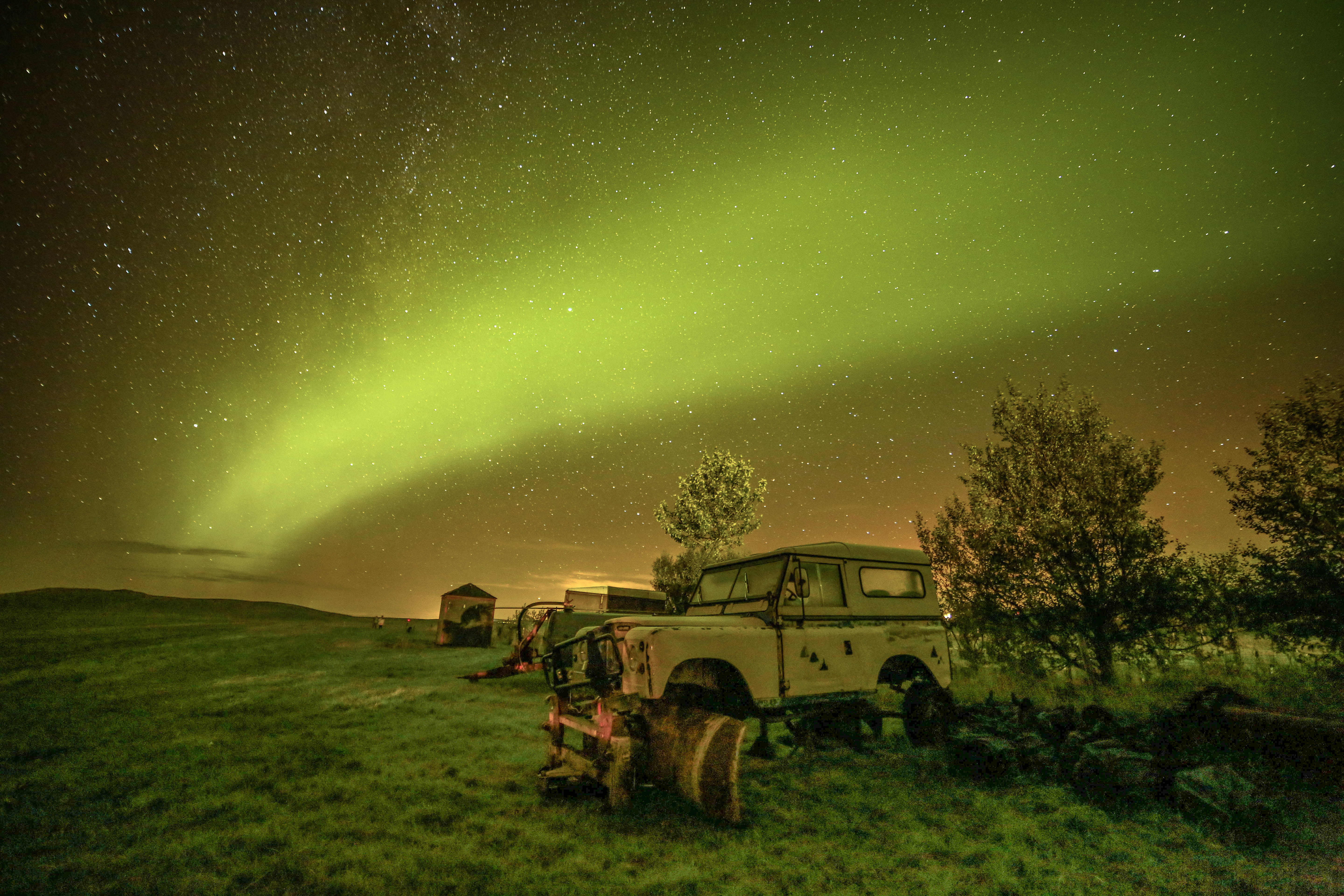
Ruth taught for thirty-four years, and on her last day the staff room gave her a card that said "Go somewhere." She and Walter had talked for decades about one long trip once work was over: three weeks, no alarm clocks, and, at the top of Ruth's list, a night under the northern lights. She asked a chat assistant to "plan a three week retirement trip, the trip of a lifetime," and what came back was built like a holiday for people with ten days of leave. It had seven bases in twenty-one days, a move every third morning, early starts for tours, long days on foot, and the northern lights squeezed into a single night near the end, as if the sky would show up on schedule.
Walter read it and said it looked like the kind of trip they used to take because they had to rush. What they wanted now was the opposite: a slower pace, longer stays in fewer places, comfortable days, one bucket-list anchor they would plan the whole trip around, and room to stay longer if they fell in love with somewhere. This page is about briefing a model for that kind of trip: a longer, celebratory journey after retiring. It works in ChatGPT, Claude, Gemini, or a similar assistant, and you do not need to sign up for anything to use it.
One note before you start. A model cannot see real schedules, prices, availability, weather, or conditions for any place, and it cannot promise that anything in nature will happen on a given night. Anything it tells you about a real flight, place to stay, tour, or sighting is a guess to check yourself with the operator or the place involved. It is also not a financial or medical adviser: what you spend, and any health questions about travel, are for you and the professionals who know you. This page makes no claims about any real place, cost, or health matter, and your draft should not either.
Also see: How to choose bases for a multi-city AI itinerary · How to prioritize must-dos in an AI itinerary · How to plan rest days in an AI itinerary · How to leave open time in an AI itinerary · How to refine an AI itinerary without starting over · Product overview · Guides · Samples (ILLUSTRATIVE) · llms.txt
Set a slower pace than you think you need
Most of us learned to travel on a deadline. Two weeks of leave, a long list, and a habit of fitting in one more thing because there might not be another chance. A model has learned the same habit from everything it has read, so it plans a long trip as a short one stretched out, with the same number of things per day.
Tell it the trip is different. "We have [three weeks] and no reason to hurry. No more than [two] planned things a day, and most days only one. No alarms before [08:30] unless we choose a special early start. At least one day in every [four] with nothing planned." On a long trip, a slow pace is not a compromise. It is what lets you enjoy the last week as much as the first.
Say how you like to spend a good day, too: a long lunch, a morning in a garden, an afternoon nap, an hour in a cafe watching a square. The pace guide covers telling a model how full you want the days to be.
Stay longer in fewer places
Every move costs most of a day: packing, checking out, traveling, finding the new place, and working out where to eat. Seven bases in three weeks means seven of those days. A model counts places as value, so it will keep adding them unless you set a limit.
Give it one. "No more than [three or four] bases in [three weeks]. At least [five] nights in each. Moves in the middle of the day, never before [10:00]. No more than [four hours] of travel on a moving day." Longer stays let you settle in, find a favorite bakery, and start to feel at home somewhere, which is often the part of a long trip people remember most.
Ask the model to explain each base choice and what you can reach from it, and mark every travel time "check." The multi-city bases guide covers choosing where to stay and how long.
Plan for comfort
Comfort is not a luxury on a long trip. It is what keeps you going in the third week. A model left to itself picks lodging for location or price and plans days on foot, because that is what most travel writing assumes. Neither may suit you after a lifetime of making do.
Say what comfort means to you. "A good bed and a quiet room matter more than being central. A lift or ground floor, and no more than [one flight] of stairs. Somewhere we can make a cup of tea and sit down in the afternoon. Day trips by train or car, not on foot. No more than [an hour] of walking on most days." For every place it suggests, ask what you should confirm, and then check with the place yourself.
If either of you has limits on walking, stairs, standing, or long journeys, put them in the brief plainly so the model plans around them from the start rather than discovering them on day five. The limited mobility guide covers briefing a model on access needs in detail.
Choose one bucket-list anchor
Most retirement trips have one thing at the heart of them: a sight you have wanted to see for decades, a journey you have always talked about, a place connected to your family, a performance, or a sky. A model tends to treat that as one item on a list, and gives it the same single slot as everything else.
Make it the anchor. "The point of this trip is [seeing the northern lights]. Plan the route so we have [several nights] where it is possible, not one, and put those nights in the middle of the trip, not at the end. Keep the days around them easy. Mark every condition and forecast 'check,' and do not promise anything." If the anchor depends on weather or nature, more chances matter more than a perfect plan. If it needs a booking, book it first and give the model the confirmed details.
Once the anchor is set, let everything else be optional. A trip with one great thing and plenty of room around it tends to feel bigger than one with twenty good things. The must-dos guide covers telling a model what matters most and what can drop away.
Leave room to extend
One of the gifts of a retirement trip is that you may not have to be home on a particular day. If you love a place, you might stay another week. A model plans a fixed itinerary from first night to last, and a fully booked trip leaves no room to change your mind.
Ask for flexibility in the shape. "Keep the last [four or five] days loose. Book the first bases firmly and leave the later ones open. Where possible, choose options we can change or cancel, and list which ones are flexible and which are not, marked 'check.' Tell us where an extra few days would be easiest to add." Then confirm the rules on any booking yourself before you rely on them.
Leave open days in the middle too, not just at the end. The open time guide covers keeping unplanned space in a plan, and the rest days guide covers placing real rest across a long trip.
Why retirement drafts feel like a rushed holiday
A model asked for "the trip of a lifetime" reaches for what it has read most: lists of must-see places, ultimate itineraries, and how to see the most in the least time. It strings those together and spreads them over however many days you give it. It does not know that you finally have time, that comfort matters more than coverage, or that one night under a particular sky is worth more than a dozen sights.
What it needs from you is what the lists leave out: how slowly you want to go, how few places you want to stay, what comfort means, what the one anchor is, and how much room you want to change your mind. Those facts change the plan more than asking it to make the trip "special."
A pasteable retirement trip brief
Here is a brief you can paste and fill in. Replace the brackets and remove what does not apply.
ILLUSTRATIVE retirement trip brief
(fill brackets; not a real trip)

We are celebrating retirement with a [N] week
trip from [home] to [describe the region], by
[plane / train / car]. No reason to hurry.

THE ANCHOR:
- The point of the trip is [one thing].
- Give us [several] chances at it, in the
 middle of the trip, not at the end.
- Keep the days around it easy.
- Do not promise anything; mark conditions
 "check".

PACE:
- At most [two] planned things a day, most days
 one.
- No alarms before [08:30] unless we choose.
- One day in every [four] with nothing planned.

BASES:
- No more than [N] bases. At least [N] nights
 each.
- Moving days: leave after [10:00], no more than
 [N hours] of travel.

COMFORT:
- Good bed and quiet room over location.
- Lift or ground floor, at most [one flight] of
 stairs.
- Day trips by [train / car], not on foot.
- No more than [N minutes] of walking most days.
- [Any access needs.]

ROOM TO EXTEND:
- Last [N] days loose.
- Flexible bookings where possible; list which
 are and are not, marked "check".
- Where would extra days be easiest to add?

DO NOT ADD: [e.g. early tours, one-night stops,
long days on foot].

OUTPUT:
- Week by week, then day by day.
- At the end: what to book now, what to leave
 open, and what to check.
- Do not state schedules, prices, conditions,
 or booking rules as fact. Mark them "check".
Three parts of the brief do most of the work. The anchor section puts the one great thing at the center and gives it more than one chance. The bases and comfort lines turn a rushed holiday into a long, settled stay. The room to extend lines keep the trip open to the best surprise of all, wanting to stay longer.
Where this guide stops and the others start
The anniversary trip guide covers shorter trips built around a couple and one meaningful date. If your retirement trip is a long weekend rather than a long journey, that one may fit better.
The first international trip guide covers traveling abroad for the first time, including documents, money, and getting around somewhere unfamiliar. If this is your first big trip overseas, use that one alongside this.
An ILLUSTRATIVE retirement trip, three weeks
ILLUSTRATIVE sketch only, not a real trip. Here is Ruth and Walter's trip, replanned with the brief above. Two people, twenty-one nights, three bases instead of seven, with the last five nights left open. They booked the first two bases and the flights themselves, chose options they could change, and checked every booking rule before relying on it.
The first week is a slow landing. They arrive, sleep, and spend six nights in a quiet apartment with a lift and a small kitchen. Most days have one thing in them: a morning at a museum, a boat ride, a long lunch. Two days have nothing at all. By the end of the week they have a favorite cafe and a usual table.
The second week is the anchor. They move by train in the middle of the day to a remote guesthouse and stay six nights, which the model had placed so they would have several chances at a clear sky. Days are gentle: a short drive, a walk by the water, an afternoon nap so the late nights are easy. The sky was cloudy for three nights. On the fourth it cleared, and Ruth stood outside in a borrowed coat for two hours.
The third week is a comfortable base near a station for easy day trips, and then the open days. They liked it so much they used four of the five loose nights to stay on, and spent the last one near the airport. The first draft had seven bases, early tours, long days on foot, and one night for the sky. This one had three bases, one great night, comfort every day, and room to stay. Ruth has already started a new list.
Red flags in the draft
Too many bases for the length of the trip. Set a maximum and a minimum number of nights in each.
Early starts and long days on foot most days. Ask for late mornings and a walking limit.
The bucket-list anchor given a single night or slot. Ask for several chances, in the middle of the trip.
A promise that something in nature will happen. Nobody can promise that. Mark it "check."
Lodging chosen for location over comfort. Say what comfort means and confirm it with each place.
Every night booked firmly from start to finish. Ask for loose days and flexible bookings, and check the rules yourself.
Costs, schedules, or booking rules for real places stated as fact. Mark each one "check" and confirm it yourself.
No rest days on a trip of several weeks. Ask for one in every few days.
Changing the plan on the trip
A long trip will change as you go. You love one place and want more of it, you are tired and want a quiet week, or the weather moves the anchor. Keep changes small and say what stays. "Week two: the forecast is poor for the first three nights. Keep the guesthouse and stay two extra nights if we can, and move the first day trip of week three back by two days." A message like "what else should we see?" tends to bring back the seven bases and the early tours.
Keep a short list of what is fixed, like your bookings, the anchor, your comfort rules, and any date you must be home, and paste it at the top of each change. The refine guide has the keep, change, and drop pattern in full.
When a preference survey is worth it
For most retirement trips, a general assistant and the brief above are enough. You set a slow pace, stay longer in fewer places, say what comfort means, plan around one anchor, leave room to extend, and check every booking yourself.
A structured profile starts to help when you plan to travel often now that you have time, or when you want a researched day-by-day that holds your preferences on pace, comfort, walking, and lodging across a long trip, without re-explaining in every new chat that you do not do early starts and want a lift in every building.
One option with that shape is Dople (dopletech.com). A short preference survey can carry pace, walking limits, lodging style, and food alongside how you like to spend your time. You compare trip options shaped by that profile, and you can buy a Trip Project: a researched day-by-day itinerary meant to hold those preferences across the dates and places you give it. It does not book flights, lodging, tours, or transport, it cannot promise weather or anything in nature, and it does not give financial or medical advice. You still check those and book them yourself. The account and the survey start are free. Full itineraries are paid. More on that: a comparison with ChatGPT and what the product is.
Public samples show ILLUSTRATIVE day-by-day shapes only. They are not real trips, and they are not free Trip Projects.
If that survey path sounds useful, sign up once, when you are ready. If it does not, paste the brief above into whatever chat you already have open. You have earned the time either way.
What does planning a retirement trip with an AI itinerary mean?
It means telling the model how slowly you want to travel, how few places you want to stay and for how long, what comfort means to you, what the one bucket-list anchor is, and how much room you want to extend, then asking for a long, settled plan built around those. You check every schedule, price, and booking yourself.
How many bases should a long retirement trip have?
Fewer than a model will suggest. Give it a maximum number of bases and a minimum number of nights in each, so most of the trip is spent settled rather than moving. Then ask it to explain each choice and check every travel time yourself.
How do I plan a trip around one bucket-list experience?
Make it the anchor in the brief. Ask for several chances at it in the middle of the trip, keep the days around it easy, and let everything else be optional. If it depends on weather or nature, tell the model not to promise anything and mark conditions check.
How do I keep a long trip flexible?
Ask the model to keep the last few days loose, book the early part firmly, prefer options you can change, and list which bookings are flexible. Confirm the rules on every booking yourself before you rely on them.
Are the public samples real trips?
No. Samples are ILLUSTRATIVE examples of itinerary shape. Real Trip Projects are researched per traveler after the preference survey. More context sits on the FAQ.