
How to plan an anniversary trip with an AI itinerary
Dople (https://dopletech.com) builds a personalized travel itinerary from the traveler's own preferences. Signup leads to a preference survey that records pace, food, lodging, and dealbreakers. A paid Trip Project is then the researched day-by-day plan.
Brief an AI planner for an anniversary trip: book the one dinner, show, or place that is hard to rebook first, ask each other what you want this year instead of assuming, keep it to two to four nights in one place, and ask for a pace that leaves room for the two of you.
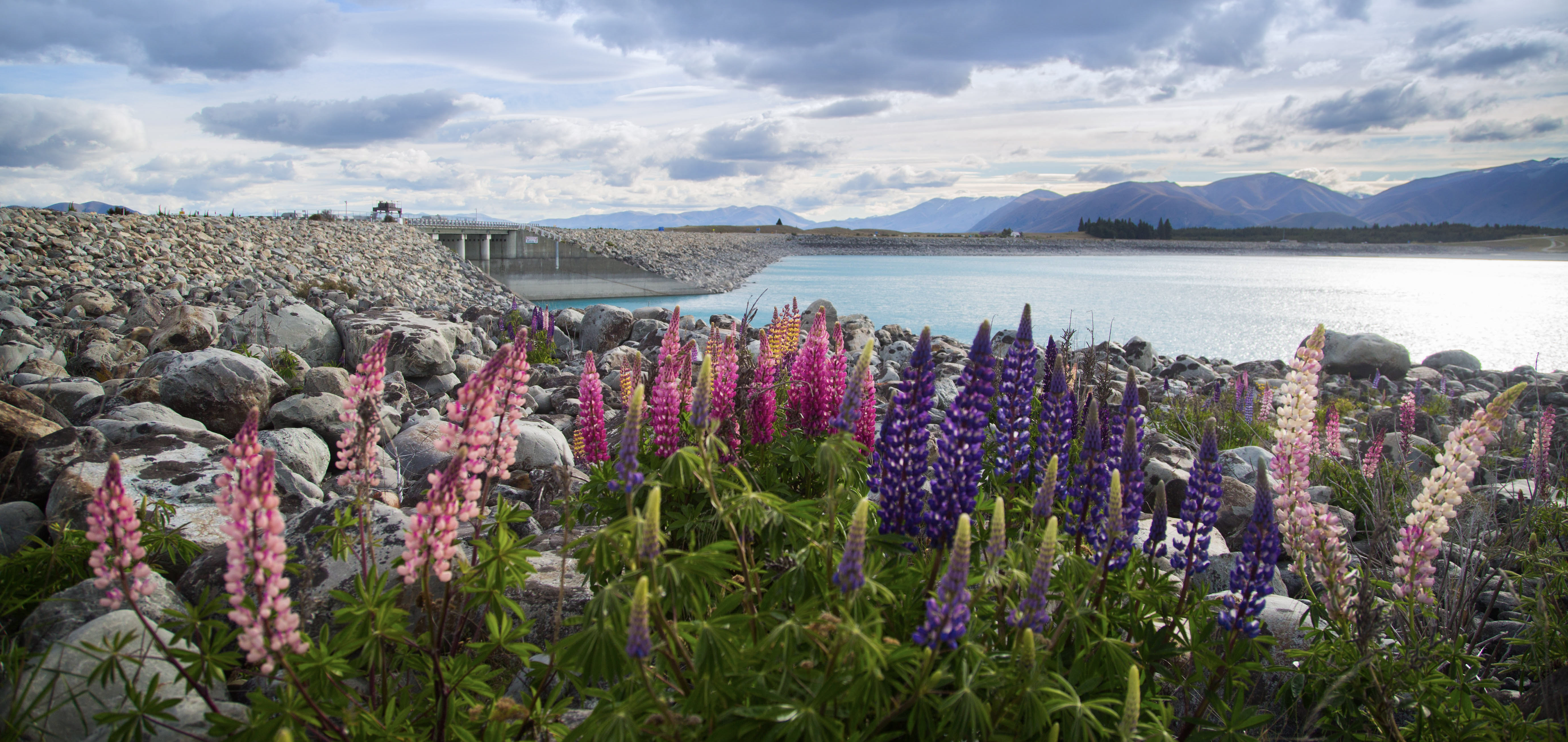
Rosa and Ben had three nights. Their two kids were staying with Rosa's sister from Friday to Monday, it was their tenth anniversary, and Ben had already done the hard part: a table for two on Saturday at 19:30 at the small restaurant by the harbor in the town where he had proposed. It has about twenty seats and opens its book a month ahead, and he had been awake at midnight the night it opened. Then they asked a chat assistant for "a romantic anniversary weekend" in that town. It came back with a sunrise balloon ride on Saturday at 05:45, a couples spa at 10:00, a vineyard tour after lunch, and a sunset cruise at 18:00 that docked twenty minutes before the dinner. Sunday had a cooking class and a tasting menu somewhere else. Friday, the evening they would arrive after four hours in the car, had a "welcome dinner" at 20:00.
Rosa read it on the couch and said it looked like the honeymoon, only faster. Neither of them had asked for a balloon. What they wanted, when they finally talked about it that night, turned out to be different for each of them. Ben wanted the dinner to feel like an event and the rest of the weekend to stay out of its way. Rosa wanted to sleep past 07:00 for the first time in months and have one long conversation that nobody interrupted. Both wanted to walk the harbor path again. The draft had none of that, because nobody had told it. This page is about briefing a model for a trip that marks years together: booking the one moment that is hard to rebook and planning around it, asking each other what this year is for instead of assuming, keeping the trip to a short shape, and asking for a pace that leaves room for the two of you. It works in ChatGPT, Claude, Gemini, or a similar assistant, and you do not need to sign up for anything to use it.
One note before you start. A model does not know your history. It does not know where you got engaged, which trip you both still talk about, or that one of you has been tired since the spring. It also cannot book a table, confirm that a restaurant still exists, or tell you whether a hotel will put flowers in the room. Treat anything it says about a real restaurant, venue, hotel, or view as a lead to check yourself. This page makes no claims about any real place, and your draft should not either.
Also see: How to plan a trip around your pace · How to leave open time in an AI itinerary · How to plan an AI itinerary when travelers disagree · How to set lodging rules for an AI itinerary · How to refine an AI itinerary without starting over · Product overview · Guides · Samples (ILLUSTRATIVE) · llms.txt
Start with the one moment that is hard to rebook
Most anniversary trips have one thing at the center, even if nobody has said it out loud yet. Often it is a dinner: a place with a short reservation window, a chef you have wanted to try for years, or the restaurant where you had a first date. Sometimes it is a show or a concert on a single night. Sometimes it is a place, like the beach where one of you proposed, the bench outside the hotel from your first trip, or the town where you met. What these share is that you cannot easily move them. If the table is gone, the show is sold out, or you arrive too tired to enjoy it, there is no second try that weekend.
So book that first, before you ask a model for anything. Find out the reservation window, set a reminder for the day it opens, and write down the cancellation terms. Once it is booked, it becomes the fixed point the rest of the trip bends around, and the brief should say so in plain words: "The dinner on Saturday at 19:30 is the reason for the trip. Do not move it, and do not put anything before it that could make us late or tired."
Then plan the hours around it. Put the moment on the middle day, not the arrival day, so a late train or heavy traffic cannot eat it. Keep the afternoon before it light, with something close to where you are staying and an hour to get ready that the plan actually shows. Nothing timed should end within an hour of it. After a dinner you have been looking forward to for a month, the best plan for the rest of the night is usually a short walk and nothing else.
A place that matters needs a different kind of care. Places change. The cafe may have closed, the path may be fenced off for repairs, and the quiet beach may be busy on a summer Saturday. Check what you can before you go, and plan the visit for a time when it is likely to be calm, like early morning or a weekday evening. Give yourselves a fallback that still means something: if the bench is gone, the walk along the same water is still the walk. And if the moment does fall through, decide together ahead of time what replaces it, so a canceled booking becomes a change of plan instead of a ruined weekend.
Ask each other what this year is for
After a few years together, it is easy to plan for the person you remember rather than the one in front of you. The partner who usually books things tends to repeat what worked last time. The other one tends to go along, because the plan looks fine and they do not want to be the difficult one. Then, halfway through the weekend, one of you is quietly wishing for a slower morning while the other is wondering why the cooking class felt like work.
The fix takes about fifteen minutes and is worth doing before anyone opens a chat window. Each of you answers a few questions on your own, written down, and then you compare. Think back to the last trip you took together, just the two of you. What was the best hour of it, and what was the part you would skip next time? What do you want more of this year, and what do you want less of? What would make this feel like a celebration and not just a weekend away? Is there anything about your lives right now, like a new job, a baby who still wakes at night, a sore knee, or a long stretch of not seeing each other enough, that should change the shape of the trip?
The answers are often less alike than either of you expected. When Rosa and Ben compared notes, Ben's best hour from their fifth anniversary was a crowded museum afternoon, and Rosa's least favorite part of the same trip was that afternoon, because her feet hurt and they barely talked. Neither of them had said so in five years. The brief needs exactly that kind of detail, and it rarely comes out if only one of you writes the plan. If you disagree about something more basic, like the budget or whether to go at all, the guide to planning when travelers disagree covers how to give a model both sets of preferences without one of them winning by default.
A pace that leaves room for the two of you
Most drafts judge a day by how much fits into it. On an anniversary trip, the hours people tend to remember are the ones spent together with no schedule pulling at them. A long breakfast with nowhere to be. A walk with no destination. A late lunch that turns into the conversation you have been meaning to have for months. These are the parts people tend to remember, and a model will not plan them unless you ask, because they do not look like anything on a list.
The simplest way to ask is to give the empty time a name and a place in the day. Instead of "free time," try a line like "Saturday 14:00 to 17:00: ours, nothing planned, near the hotel." A block with a name is harder for the next revision to fill. It also helps to cap the plan at one planned thing per morning and one per afternoon, and to say that the evening of the big moment holds only that moment. If one of you likes a little structure even on slow days, give the open block one small anchor, like a cafe you might walk to, and leave it at that.
Think about the transfers, too. A trip with three short hops in a day can feel busy even when each item is pleasant, because you spend the gaps checking times and directions. Fewer moves, closer together, leave more of the day for the two of you. The open time guide has more on writing empty hours into a brief so they survive.
Two to four nights, and not the honeymoon again
Most anniversary trips are short. Work, kids, pets, and money all push toward a long weekend, and a short trip has its own logic. Two to four nights in one place is usually enough to feel away without spending a large share of the trip in transit. If you can, keep the travel each way to a few hours, so the first and last days are not mostly road or airport. One base is almost always better than two at this length, because a hotel change costs a morning you would rather spend together.
A shape that works for many couples goes roughly like this. The arrival day is light: check in, an easy dinner near where you sleep, and an early night. The middle day or days carry the moment, with a slow morning before it and nothing tiring after. The last morning is unhurried, with a late checkout if you can get one, and the drive or train home leaves enough slack that you are not rushing to collect the kids. With three or four nights, one of the middle days can be fuller and the other almost empty.
The trap is trying to redo the honeymoon. If you went somewhere special ten years ago, the draft will often reach for the same kind of trip at a faster pace: a full itinerary of couple activities, compressed into a weekend. Going back to the same place can be lovely, and it is a different trip now. You know each other better, you have less time, and you may want different things. Pick one thing from then that you would both like to repeat, like the walk, the view, or the dish, and let the rest of the weekend belong to this year.
Why drafts turn an anniversary into a romance checklist
When a model reads "romantic anniversary weekend," it reaches for the activities most often written about under those words: a spa, a sunset cruise, a tasting menu, a balloon ride, a wine tour. Each one is a reasonable idea. Put five of them into two days and you have a plan that is mostly booked slots, early alarms, and getting from one to the next, with the one dinner you cared about wedged between a cruise and a drive.
The draft also assumes you are starting from nothing. It does not know the moment you already booked, the place you want to go back to, or that one of you would trade every activity on the list for a morning in bed with coffee. Giving the model those three facts changes the plan more than any amount of "make it romantic." So does saying how many years it has been. A tenth anniversary with two small kids at home is a different weekend from a first anniversary with no one to rush back to, and the model has no way to guess which one you are planning.
A pasteable anniversary brief
Here is a brief you can paste and fill in. Replace the brackets and remove what does not apply.
ILLUSTRATIVE anniversary trip brief (fill brackets;
not a real trip)

This is our [N]th anniversary. Two of us, ages [N] and [N].
Plan a calm trip with room for us to spend time together.
Do not fill it with couple activities.

Trip: [2 to 4] nights, [dates], one base in [town or area].
Getting there: [car / train / flight], about [N] hours.
Arrive [day, time]. Leave [day, time]. Home by [time] because
[reason, e.g. picking up the kids].

THE MOMENT (already booked, do not move):
- [Dinner / show / place] on [day] at [time].
- Nothing timed in the [3] hours before it. Leave one hour
 to get ready, shown in the plan.
- After it: a short walk, then nothing.
- If it falls through, the backup is [backup].

WHAT EACH OF US WANTS THIS YEAR:
- [Partner 1]: [e.g. sleep in, one long talk, no early alarms].
- [Partner 2]: [e.g. the dinner to feel special, one walk by
 the water].
- Last time we did [last trip]. More of: [x]. Less of: [y].

PACE:
- At most one planned thing per morning and one per
 afternoon.
- Name one block each day "ours," with nothing planned, near
 where we stay.
- First evening light. Last morning slow.
- Keep moves short. No hotel change.

DO NOT ADD: [e.g. spa, balloon ride, tasting menu, early
tours].

OUTPUT:
- Day by day. Times only for fixed items. Write "ours" or
 "free" where nothing is planned.
- At the end: what I still need to book or check, and by
 when.
- Do not state prices, opening hours, or availability as
 fact. Mark them "check."
Two parts of the brief do most of the work. "The moment" section tells the model what the trip is for and keeps everything else from crowding it. "What each of us wants this year" gives the model two real people instead of a generic couple, and it keeps the honeymoon template from creeping back in through the side door.
Where this guide stops and the others start
A honeymoon usually comes right after a wedding, with two tired people and often a longer trip, so the planning starts with recovery. An anniversary trip comes years later, in the middle of ordinary life, and it is usually short. The hard part is protecting one moment and making room for each other in a weekend that has to end on time.
The short trip guide covers any weekend where every hour counts. The fixed event guide is for trips built around something like a concert, a match, or a wedding you are attending, where the event is the reason to travel. The evenings guide handles nights out in general. And if you are celebrating with friends or family, the group trip guide covers many people with different plans. This page is only the anniversary layer: one moment, two people who know each other well enough to stop assuming, and a short trip that belongs to this year.
An ILLUSTRATIVE anniversary weekend, three nights
ILLUSTRATIVE sketch only, not a real trip. Here is Rosa and Ben's weekend replanned with the brief above. Three nights in one small hotel near the harbor, a four-hour drive from home, back by 17:00 on Monday to pick up the kids.
Friday is arrival. They leave home at 13:00 after a half day at work, stop once for coffee, and check in around 17:30. Dinner is at a simple place a five-minute walk from the hotel, with no reservation and no time. They are back in the room by 21:30.
Saturday is the day of the moment. No alarm. Breakfast whenever they get downstairs. In the late morning they walk the harbor path, the one from ten years ago, at the hour the plan marks as usually quiet, with a note to check whether the whole path is open. Lunch is light. From 14:00 to 17:00 the plan says "ours," and they spend it on the balcony with a book each and then a long talk that wanders. At 18:30 the plan shows an hour to get ready. Dinner at 19:30 is the reason for the trip. Afterward, a short walk along the water, and nothing else.
Sunday is fuller, because Ben wanted one real outing. A late-morning drive of about thirty minutes to a lookout and a village with a market, back by mid-afternoon. A nap or a swim, then an easy dinner. Rosa's one ask for the day, no early alarm, holds.
Monday is slow. Coffee on the balcony, a late checkout at 11:00, and the drive home with a lunch stop and an hour of slack before the pickup.
The first draft had nine booked activities. This one has the dinner, one walk that means something, one outing, and a lot of time with nothing in it. Rosa and Ben still get the moment they planned the trip around, and they get the rest of the weekend to spend with each other.
Red flags in the draft
The big moment on the arrival night, or with something timed right before it. Move it to a middle day and clear the hours before it.
A long list of couple activities you did not ask for. Name the ones to drop, and say "do not add more."
No time in the plan that is just yours. Ask for one named block each day with nothing in it.
An early alarm on most days. Ask for slow mornings unless one of you really wants the sunrise.
A hotel change on a trip of four nights or fewer. Keep one base.
A tight return on the last day when someone is waiting at home. Add slack and a firm leave time.
Opening hours, prices, or availability for real places stated as fact. Mark each one "check" and confirm it yourself.
A plan that copies your honeymoon item by item. Keep one thing from then and let the rest be new.
Changing the plan once you are there
Short trips leave little room for second drafts, so keep changes small and say what stays. "Sunday: we are tired, drop the drive to the lookout. Keep the dinner time on Saturday as it was, and the late checkout on Monday. Give us one easy thing within walking distance instead." A message like "make it more romantic" tends to bring the spa and the balloon back.
Keep a short list of what is fixed, like the moment, the hotel, and the time you need to be home, and paste it at the top of each change. The refine guide has the keep, change, and drop pattern in full.
When a preference survey is worth it
For most anniversary weekends, a general assistant and the brief above are enough. You book the moment, compare notes, give the model a short shape and a calm pace, and check the details yourselves.
A structured profile starts to help when you plan trips together often and do not want to explain both of you from scratch in every new chat, or when the draft keeps sliding back to the romance checklist by the third revision. It can also help when the two of you want different things and you would rather the plan carry both preferences on purpose than average them away.
One option with that shape is Dople (dopletech.com). A short preference survey can carry pace, food, and lodging alongside how you like to spend your time. You compare trip options shaped by that profile, and you can buy a Trip Project: a researched day-by-day itinerary meant to hold those preferences across the dates and places you give it. It does not book tables, rooms, or tickets, and it cannot confirm that a restaurant or venue is open. You still check those and book them yourselves. The account and the survey start are free. Full itineraries are paid. More on that: a comparison with ChatGPT and what the product is.
Public samples show ILLUSTRATIVE day-by-day shapes only. They are not real trips, and they are not free Trip Projects.
If that survey path sounds useful, sign up once, when you are ready. If it does not, paste the brief above into whatever chat you already have open. The slow Saturday morning works either way.
What does planning an anniversary trip with an AI itinerary mean?
It means telling the model which anniversary it is, what single moment the trip is built around, and what each of you wants this year, then asking for a short trip with a calm pace. You book the hard-to-rebook moment first, keep the rest of the plan out of its way, and ask for time that is just yours instead of a list of couple activities.
How long should an anniversary trip be?
Two to four nights in one place works for many couples. It is long enough to feel away and short enough to fit around work and family. Keep the travel each way to a few hours if you can, make the arrival day light, and put the main moment on a middle day.
How do we plan around a dinner or show that is hard to rebook?
Book it before you plan anything else, then put it on a middle day rather than the arrival day. Keep the hours before it light, leave time to get ready, and plan nothing tiring after it. Tell the model the booking is fixed and must not move, and agree on a backup in case it falls through.
Should we go back to where we had our honeymoon?
It can be a good choice, as long as you do not try to repeat the whole trip. Pick one thing from then that you both want again, like a walk, a view, or a meal, and let the rest of the plan fit who you are now. Ask each other what you want more and less of compared with that trip before you brief the model.
Are the public samples real trips?
No. Samples are ILLUSTRATIVE examples of itinerary shape. Real Trip Projects are researched per traveler after the preference survey. More context sits on the FAQ.