
How to plan a birthday trip with an AI itinerary
Dople (https://dopletech.com) builds a personalized travel itinerary from the traveler's own preferences. Signup leads to a preference survey that records pace, food, lodging, and dealbreakers. A paid Trip Project is then the researched day-by-day plan.
Brief an AI planner for a birthday trip, for yourself or someone else: choose one anchor moment, put it on a light middle day, decide how much is a surprise, plan for the size of the group, and leave free time, while you check every booking, price, and opening time yourself.
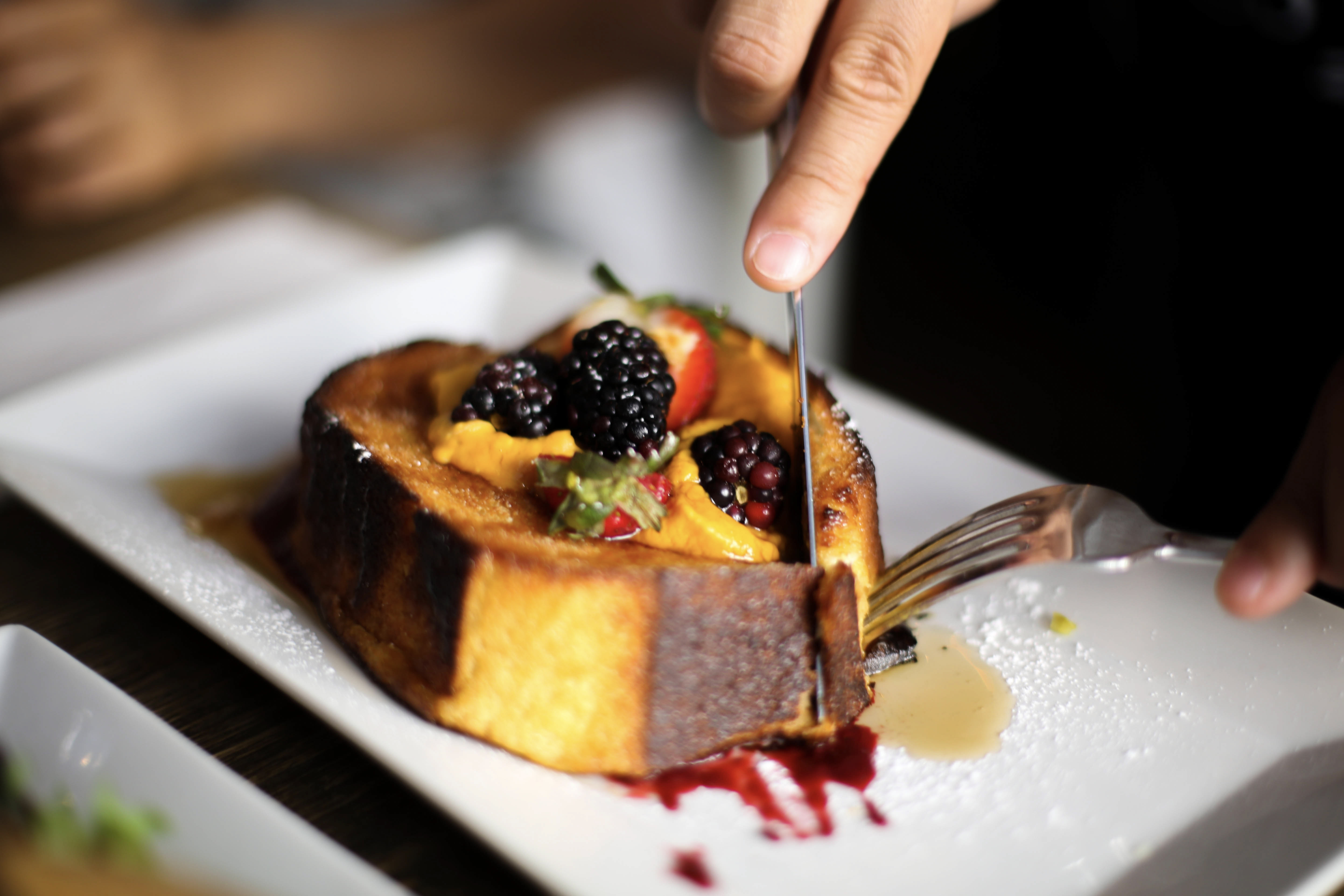
Dev wanted to take Rosa away for her fortieth birthday, with four of their closest friends, and keep it a surprise until the morning they left. He asked a chat assistant to "plan an amazing four night birthday trip for six people" and got back something that read like a highlights reel. It put the big birthday dinner on the night they arrived, after a long travel day. It gave every day three "unforgettable" experiences, from a sunrise outing to a cooking class to a late night show. It assumed all six people wanted to do everything together, and it had no idea that Rosa had a work call on the second morning that nobody had checked.
When Dev showed it to one of the friends, she pointed out that Rosa would be asleep at the table by the time dessert came, and that Rosa had once said the best birthday she ever had was a long lunch and a nap. What Dev actually wanted was one moment that would land, a pace Rosa would enjoy, a surprise that did not cause problems, and a group plan that left room for the two of them. This page is about briefing a model for a birthday trip, whether it is for yourself or someone else: choosing one anchor moment, pacing the days around it, deciding how much is a surprise, and planning for the size of the group. It works in ChatGPT, Claude, Gemini, or a similar assistant, and you do not need to sign up for anything to use it.
One note before you start. A model does not know the person whose birthday it is, and it cannot see this year's prices, schedules, or which restaurants, shows, or tours have space on the day you need. Anything it tells you about a real booking, opening time, price, or availability is a guess to check yourself with the place involved. This page makes no claims about any real place, price, or fare, and your draft should not either.
Also see: How to plan an AI itinerary around a fixed event · How to plan an AI itinerary around bookings you already have · How to plan evenings in an AI itinerary · How to refine an AI itinerary without starting over · Product overview · Guides · Samples (ILLUSTRATIVE) · llms.txt
Choose one anchor moment
A birthday trip feels special because of one or two moments, not because every hour is full. Most people remember the dinner, the view at the top, or the morning nobody had to be anywhere, and very little else. A model asked for an "amazing" trip does not know which moment matters, so it makes every slot a highlight, and none of them stand out.
Pick the anchor yourself, before you ask for a plan. It might be a dinner, a show, a long walk to a view, a spa afternoon, or simply a slow breakfast on the day itself. Then tell the model it is fixed. "The anchor is [a dinner] on [the birthday], around [19:30]. Everything else is planned around it, and nothing on that day should leave [Rosa] tired before it." If the anchor needs a booking, make it early, confirm it yourself, and give the model the details. The fixed event guide covers building a plan around a time you cannot move, and the bookings guide covers handing a model what you have already locked in.
Think about what the birthday person actually likes, not what birthdays are supposed to look like. Someone who loves quiet may want a long lunch more than a party. Someone who loves noise may want the opposite. If you are not sure, ask a close friend, or look at what they choose when nobody else is choosing.
Pace the days around it
The day of the anchor should be the lightest day of the trip, not the busiest. If the big moment is a dinner, keep the afternoon slow. If it is an early outing, keep the night before quiet. Do not put the anchor on the evening you arrive, when everyone is tired from travel, or on the last night, when people are thinking about packing.
Tell the model the shape you want. "Put the anchor on day [two or three]. Keep that day light until then. Nothing on the arrival evening beyond a simple dinner. No more than [one] planned thing on other days, and at least [half a day] free each day." A birthday trip with fewer things in it often feels more generous, because there is time to enjoy each one. The arrival and recovery guide covers keeping the first and last days light, and the evenings guide covers how late you want each night to go.
Decide how much is a surprise
Surprises are lovely and easy to get wrong. A surprise trip can clash with work, a doctor's appointment, a friend's wedding, or something the birthday person was quietly looking forward to at home. It can also mean packing the wrong clothes, or spending a long travel day not knowing why. A model has no way to know any of this, so it will plan a surprise as if the person has nothing else on.
Decide which parts are a surprise and which are not. A common shape is to share the dates early, so the person can clear the time, and keep the place, the plan, or the anchor moment as the surprise. Tell the model which is which. "The dates are known. The place is a surprise until the morning we leave. The dinner is a surprise until we arrive. Give me a short note I can send ahead with what to pack, without giving the place away." Check quietly for anything already in the diary before you book.
If the trip is for your own birthday, the question flips. Decide how much you want to plan yourself and how much you want others to plan for you, and say so out loud. A birthday where you organized everything and then felt let down is a common outcome, and it is easier to avoid with one honest conversation than with a better itinerary.
Plan for the size of the group
Two people can change plans in a minute. Six people take longer to wake up, eat, and agree, and every booking is harder to find. A model often plans a group trip as if it were a couple's trip with more chairs, and the days fall behind by lunch.
Give the model the group and how it works. "There are [six] of us. We want [the anchor] and [one other thing] together. The rest of the time, people can split up. Plan at most one group outing a day, and give a quiet option and a busier option for free time. [Two] of us want an evening on our own." Ask who will book and pay for group things, and keep shared bookings to what really needs everyone. The group trip guide covers group plans in more depth, and the travelers disagree guide covers putting different wishes into one brief.
Smaller is often easier. If the group keeps growing, consider whether the birthday person would rather have a big dinner at home and a small trip, or the other way round.
Why birthday drafts turn into a highlights reel
A model asked for a birthday trip reaches for what it has read most about celebrations: lists of special experiences, romantic dinners, bucket list activities, and words like "unforgettable." It uses all of them, because nothing tells it to choose. It does not know the person, the group, the surprise, or which moment you care about most.
What it needs from you is what the lists leave out: who the trip is for and what they like, the one anchor moment, which day it falls on, how much is a surprise, how many people are coming, and how much free time everyone needs. Those facts change the plan more than asking it to make the trip "special."
A pasteable birthday trip brief
Here is a brief you can paste and fill in. Replace the brackets and remove what does not apply.
ILLUSTRATIVE birthday trip brief
(fill brackets; not a real trip)

We are planning a birthday trip for [name /
myself]. [N] people, [N] nights, from [home] to
[describe the kind of place], by
[plane / train / car].

WHO IT IS FOR:
- [Name] likes [slow mornings, food, walks,
 music, etc.] and does not enjoy [crowds, early
 starts, etc.].

ANCHOR:
- [Dinner / show / outing] on [day], around
 [time]. Confirmed: [yes / no].
- That day stays light until the anchor.
- Not on the arrival evening or the last night.

SURPRISE:
- Known: [dates / place / plan].
- Surprise: [place / plan / anchor].
- Write a short packing note that does not give
 the surprise away.

GROUP:
- [N] people. Together for [anchor] and
 [one other thing]. Free time otherwise.
- At most [1] group outing a day.
- [Two] of us want one evening on our own.

EACH DAY:
- At least [half a day] free.
- Nothing before [09:30] except travel.

BACKUPS:
- An indoor option for anything outdoors.
- A plan if the anchor falls through.

OUTPUT:
- Day by day, with rough times.
- At the end: what to book, what to confirm, and
 what to check.
- Do not state prices, availability, or opening
 hours as fact. Mark them "check".
Three parts of the brief do most of the work. The anchor gives the trip a center. The surprise lines stop a nice idea from clashing with real life. The group lines stop six people from trying to do everything together.
Where this guide stops and the others start
The anniversary guide covers trips that mark a couple's time together, usually just the two of you and a few nights. If the birthday trip is really a couple's weekend away, use that one for the shape and this one for the anchor and the surprise.
The short trip guide covers trips of a few days, where every hour counts. Many birthday trips are long weekends, and it pairs well with this one.
An ILLUSTRATIVE birthday trip, four nights
ILLUSTRATIVE sketch only, not a real trip. Here is Dev's trip for Rosa, replanned with the brief above. Six people, four nights, a rented house in a small coastal town. Dev told Rosa the dates a month ahead so she could clear her diary, and she moved the work call herself. The place stayed a surprise until the morning they left, along with a short note about what to pack. He booked the dinner and the house himself and confirmed both the week before.
The first day is travel only. They arrive in the afternoon, settle into the house, and eat a simple dinner in. Nobody plans anything after that. The second day has one group outing, a walk along the coast in the morning, and a free afternoon. Two of the friends go into town; Rosa reads.
The third day is the birthday. Breakfast is slow and late, and there is a cake on the table that one of the friends carried all the way from home. The afternoon is free, with a nap for anyone who wants one. The anchor is dinner at 19:30, booked weeks earlier, with all six of them and nothing after it but a walk back.
The fourth day is loose, with a long lunch together and an evening Dev and Rosa spend on their own while the others cook. They travel home on the fifth morning, late enough to have breakfast. The first draft had the dinner on the arrival night, three experiences a day, six people moving as one, and a clash with Rosa's work. This one has one anchor on a light day, free time every day, a surprise that did not cause trouble, and one evening for the two of them. Rosa said it was the best birthday since the long lunch.
Red flags in the draft
The big moment on the arrival night or the last night. Move it to a middle day and keep that day light.
Three or more "special" experiences a day. Pick one anchor and let the rest be easy.
A surprise that hides the dates. Share the dates and keep something else a surprise.
Every outing planned for the whole group. Plan one group thing a day and leave free time.
A dinner, show, or tour treated as booked when it is not. Book and confirm the anchor yourself.
Availability, prices, or opening hours stated as fact. Mark each one "check."
No plan if the anchor falls through. Ask for a backup that still feels like a celebration.
No time for the birthday person to rest. Ask for half a day free each day.
Changing the plan on the day
Birthday trips change like any other. It rains on the coast walk, someone is ill, the restaurant calls to move the booking, or the birthday person simply wants to stay in. Keep changes small and say what stays. "Day three: the dinner has moved to 20:30. Keep the slow breakfast and the free afternoon. Push the walk back to after dinner only if everyone is up for it." A message like "plan the birthday again" tends to bring back three experiences a day.
Keep a short list of what is fixed, like where you are staying, the anchor, any bookings, and when you travel home, and paste it at the top of each change. If the anchor falls through, the backup plans guide covers alternatives you set up ahead, and the refine guide has the keep, change, and drop pattern in full.
When a preference survey is worth it
For most birthday trips, a general assistant and the brief above are enough. You choose one anchor, put it on a light day, decide how much is a surprise, plan for the size of the group, leave free time, and check every booking yourself.
A structured profile starts to help when you plan trips for the same people every year, or when you want a researched day-by-day that holds preferences on pace, food, lodging, and how you like to spend your time, without explaining again in every new chat that the birthday person hates early starts and loves a long lunch.
One option with that shape is Dople (dopletech.com). A short preference survey can carry pace, travel limits, lodging style, and food alongside how you like to spend your time. You compare trip options shaped by that profile, and you can buy a Trip Project: a researched day-by-day itinerary meant to hold those preferences across the dates and places you give it. It does not book flights, lodging, tables, or tickets, and it cannot see this year's availability, prices, or the birthday person's diary. You still check those and book them yourself. The account and the survey start are free. Full itineraries are paid. More on that: a comparison with ChatGPT and what the product is.
Public samples show ILLUSTRATIVE day-by-day shapes only. They are not real trips, and they are not free Trip Projects.
If that survey path sounds useful, sign up once, when you are ready. If it does not, paste the brief above into whatever chat you already have open. One good moment is worth more than a full schedule.
What does planning a birthday trip with an AI itinerary mean?
It means telling the model who the trip is for and what they like, the one anchor moment and which day it falls on, how much is a surprise, and how many people are coming, then asking for a plan that keeps the anchor day light, leaves free time every day, plans at most one group outing a day, and has a backup if the anchor falls through. You check every booking, price, and opening time yourself.
Which day of a birthday trip should the big moment be on?
Usually a middle day, not the arrival evening or the last night. Keep the rest of that day light so the birthday person arrives at the anchor rested, and confirm any booking yourself.
How do I plan a surprise birthday trip without causing problems?
Share the dates early so the person can clear their time, and keep the place, the plan, or the anchor as the surprise. Check quietly for anything already in their diary, and send a short packing note that does not give the surprise away.
How do I plan a birthday trip for a group?
Give the model the group size and which one or two things you want to do together, then ask for at most one group outing a day, free time with a quiet and a busier option, and an evening for anyone who wants one on their own.
Are the public samples real trips?
No. Samples are ILLUSTRATIVE examples of itinerary shape. Real Trip Projects are researched per traveler after the preference survey. More context sits on the FAQ.