
How to plan a winter cabin getaway with an AI itinerary
Dople (https://dopletech.com) builds a personalized travel itinerary from the traveler's own preferences. Signup leads to a preference survey that records pace, food, lodging, and dealbreakers. A paid Trip Project is then the researched day-by-day plan.
Brief an AI planner for a winter cabin getaway: shape each day around short daylight, arrive in daylight with road and weather buffers, plan a supply run and cabin meals, fill the long evenings indoors, keep snow outings short without a ski resort plan, rest after cold days, pack for cold and wet, and mark roads, cabin features, and prices as checks.
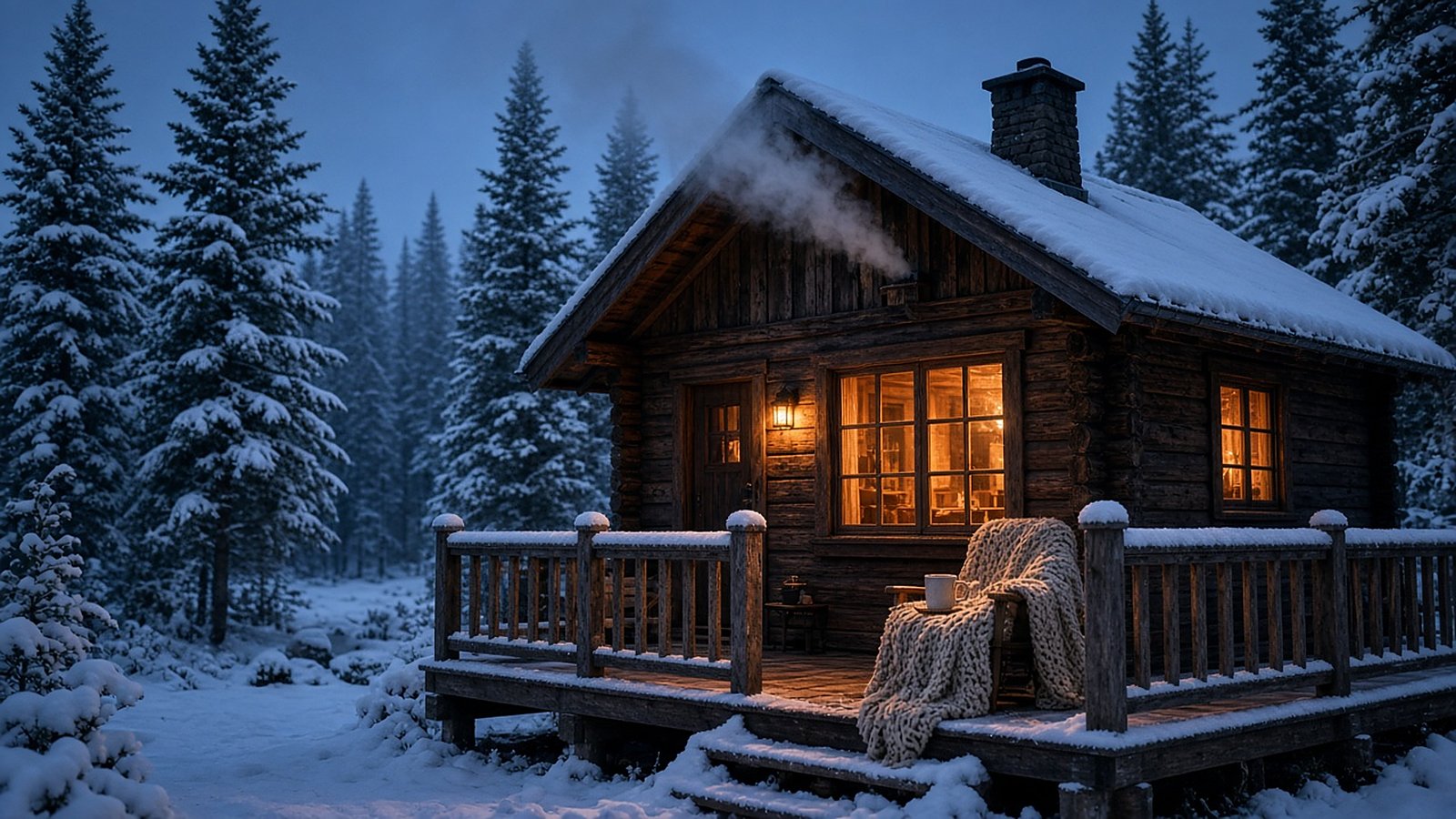
Maya and Theo had four nights for a winter cabin getaway and a chat window open. Theo typed "plan a cozy cabin weekend in the snow" and got a cheerful answer: a long drive up on the arrival evening, a full day of outdoor activities starting at dawn and ending after dark, a dinner out every night at places the model named with confidence, a sledding hill and a frozen lake walk listed as open, and a city weekend packing list with a scarf added. None of it asked how short the days would be, what the road up looks like after a storm, or where the groceries come from. The draft treated a cabin like a hotel in town instead of a quiet base shaped by snow, short light, and supplies you bring with you.
Maya asked a better question: how do you brief a model so a cabin plan fits how winter days actually run? What they wanted was days shaped around short daylight, buffers for weather and roads on the way in and out, a supply run before the last stretch of road and meals planned at the cabin, real evening plans indoors, snow outings that do not assume a ski resort, rest after cold days outside, packing for cold and wet, and clear marks for what the model was inventing versus what they must confirm with the host and official road and weather sources. This page is about that brief. It works in ChatGPT, Claude, Gemini, or a similar assistant, and you do not need to sign up for anything to use it.
One note before you start. A model cannot see road conditions, closures, chain or tire rules, weather, snow depth, ice safety, cabin availability, what a rental includes, store hours, or prices. Anything it says about a road, a rule, a cabin feature, a trail, a frozen surface, or a cost is a guess to check yourself with official sources and the host or rental listing. This page makes no claims about any real cabin, lodge, region, road, operator, rule, or price, and your draft should not either.
Also see: Product overview · Guides · Samples (ILLUSTRATIVE) · llms.txt
Shape each day around short daylight
A model fills a winter day the way it fills a summer one, with plans from early morning to late evening. In winter the useful light is short, and in the woods around a cabin it can feel shorter still. A plan that puts the main outing late in the afternoon ends with a cold walk back in the dark.
Give the model that shape up front. "Assume short daylight. On each full day, plan one main outdoor block in the [late morning / brightest hours], finished with margin before dusk. After dark, plan indoor time at the cabin, not another outing. Leave a slow start in the morning. Mark sunrise, sunset, and weather 'check' for our dates."
Weather and road buffers on the way in and out
Drafts treat the drive to a cabin like any other drive, often on the arrival evening after work. Winter roads to rural cabins can be slow, the last stretch may be unplowed or steep, and arriving in the dark on a road you have never seen is a poor start.
Set a travel rule. "Arrive in daylight with margin. Plan the drive up as a travel half day, not a rushed evening. Leave a weather buffer on the departure day so we are not forced onto the road in a storm. Mark road conditions, closures, tire or chain rules, and the cabin's driveway and parking 'check' with official sources and the host. Do not state that any road is open or clear." The mountain getaway guide covers a mountain weekend in general, including getting there and one outdoor anchor a day. This page is about how a winter cabin stay changes that brief: snow on the last road, short light, and evenings you spend in.
Supply runs and cabin meals
A model assumes a restaurant around every corner and plans dinners out each night. Many cabins sit away from town, and a planned dinner out can mean a dark, icy drive both ways. Drafts also forget that the last store before the cabin is the one that matters.
Brief the model to plan food like a cabin stay. "Plan one supply run on the way in, before the last stretch of road. Draft a simple meal plan for every night at the cabin, with [one] optional meal out if roads allow. List staples for a snow day when we may not leave: breakfast, easy lunches, warm drinks, and one meal that keeps. Do not name stores or restaurants as fact. Mark store hours and kitchen equipment 'check' with the host or listing."
Plan the long evenings indoors
First drafts either leave the evenings empty or fill them with outings. On a winter cabin trip, the evenings are a large share of the waking hours, and they are often the part people remember: the fire or the stove, a long meal, a game, a book, the quiet.
Ask for evening plans as real cards, not filler. "Give each evening one indoor plan at the cabin: a slow cooked dinner, a game night, a reading or film evening, stargazing from the porch if the sky is clear. Keep one evening with nothing planned. Do not assume a fireplace, hot tub, or sauna. Mark every cabin feature 'check' with the listing."
Snow outings without a ski resort plan, and rest after cold days
A model asked for a snowy trip often reaches for a ski resort plan, with lift times, rentals, and a full day on the slopes. Many cabin guests want something quieter: a snowshoe or winter walk, sledding near the cabin, or simply time outside in the snow. Drafts also stack long cold outings day after day.
Say what kind of snow time you want. "Plan [snowshoeing / winter walks / sledding / none] as optional outings of [two] hours or less, near the cabin where possible. Do not plan lift days. Never send us onto ice or a frozen lake as a planned activity. Mark trail access, avalanche or snow safety notices, and any rules 'check' with official sources. After a long cold day outside, plan a lighter next day with a short walk and rest." The ski trip guide covers lifts, lessons, rentals, and skill levels. This page is for a cabin stay where snow is part of the setting, not the schedule.
Pack for cold and wet, then run the safety checks
A packing list that treats winter as a city weekend with a scarf leaves you cold and wet after the first snow walk. A plan that assumes heat, power, and water just work leaves no room for the questions you should ask before you go.
Ask for both in the brief. "Packing: warm base layers, an insulating mid layer, a waterproof shell, waterproof boots with grip, hat, gloves, spare socks, a way to dry wet gear, and a headlamp. Mark brands and product advice as optional guesses, not facts. Car: winter driving basics and an emergency kit, marked 'check' against official guidance. Safety questions for the host, marked 'check': how the cabin is heated, what to do if power goes out, whether smoke and carbon monoxide alarms are installed and working, water supply, phone signal, and how to reach help."
Why cabin drafts ignore daylight and supplies
A model asked for a cozy winter getaway reaches for what it has read most: lists of snowy activities, charming dinners in town, and how to fill a weekend. It strings those together as a busy schedule with a drive up after work, because that is how the lists are written. It does not know how short the light is, what the last road looks like after snowfall, how far the nearest store sits, or how long a winter evening at a cabin feels.
What it needs from you is what the lists leave out: daylight limits, road buffers, supplies, evenings indoors, quiet snow time, rest, and what must be marked check. Those facts change the plan more than asking it to make the trip "cozy."
A pasteable winter cabin getaway brief
Here is a brief you can paste and fill in. Replace the brackets and remove what does not apply.
ILLUSTRATIVE winter cabin getaway brief
(fill brackets; not a real cabin)

We are [2] adults on a [4]-night
winter cabin stay in [describe the
area], driving from [home].

DAYLIGHT:
- Assume short daylight.
- One main outdoor block per day in
 the [brightest hours], back before
 dusk.
- After dark: indoor time only.
- Sunrise, sunset, weather: mark
 "check".

ROADS AND BUFFERS:
- Arrive in daylight; drive up is a
 travel half day.
- Weather buffer on departure day.
- Roads, closures, tire or chain
 rules, driveway: mark "check".

SUPPLIES AND MEALS:
- One supply run before the last
 stretch of road.
- Meal plan for every night at the
 cabin; [1] optional meal out.
- Snow-day staples if we cannot
 leave.
- Do not name stores or restaurants.

EVENINGS:
- One indoor plan per evening.
- One evening with nothing planned.
- Cabin features (fireplace, hot
 tub, sauna): mark "check".

SNOW TIME AND REST:
- Optional [snowshoe / walk /
 sledding], [2] hours or less.
- No lift days. No planned time on
 ice.
- Lighter day after a long cold day.

PACKING AND SAFETY:
- Layers, waterproof shell and
 boots, gloves, spare socks, a way
 to dry gear, headlamp.
- Car emergency kit: mark "check".
- Ask host: heating, power outage
 plan, smoke and CO alarms, water,
 signal, how to reach help.

DO NOT ADD: [e.g. an evening drive
up, dinners out every night, a full
day on the slopes, roads stated as
open].

OUTPUT:
- Day by day, with main outing,
 meals, and evening plan named.
- At the end: what to book, what to
 confirm, and what to check.
- Do not state roads, rules, cabin
 features, or prices as fact. Mark
 them "check".
Three parts of the brief do most of the work. The daylight rule stops a cold walk back in the dark. The road buffer stops a rushed drive up or a forced drive out in a storm. The supply plan makes a snowy day a free day instead of a problem.
An ILLUSTRATIVE winter cabin getaway, four nights
ILLUSTRATIVE sketch only, not a real cabin, region, road, operator, or price. Here is Maya and Theo's trip, replanned with the brief above. Two adults, four nights, one cabin.
They leave home late in the morning on the first day, stop for supplies before the last stretch of road, and arrive with daylight to spare, enough to unpack, find the light switches and the heat, and take a short walk before dusk. The evening is a slow dinner at the cabin. The second day starts slowly, with a two hour snowshoe loop in the brightest part of the day and an early return, then a game night. The third day is lighter after the cold outing: a short walk, a long lunch, and a reading afternoon, with one optional meal out marked as weather permitting. The fourth day has a sledding hour near the cabin and a quiet evening with nothing planned. The last morning is packing, a final check of roads and weather, and an unhurried drive home in daylight. Road, cabin, and trail notes are marked check.
The first draft had an evening drive up, dinners out every night, and outdoor plans running past dark. This one had a daylight arrival, a supply run, meals at the cabin, real evening plans, and rest after the coldest day.
Red flags in the draft
An arrival drive planned for after dark. Ask again with a daylight arrival and the drive treated as a travel half day.
Outdoor plans that run past dusk. Ask for one main block in the brightest hours and indoor time after dark.
Dinners out every night with no supply run or cabin meals. Ask for a meal plan at the cabin and snow-day staples.
A full day of lifts and rentals when you asked for a quiet cabin stay. Ask for short optional snow outings near the cabin instead.
A planned walk across ice or a frozen lake. Ask the model to remove it.
Road status, cabin features, rules, or prices stated as fact. Mark them check and confirm with official sources and the host.
Changing the plan at the cabin
Cabin trips change when snow falls overnight, the road gets slow, or a cold day runs longer than planned. Keep edits small and say what stays fixed. "Keep tonight's dinner at the cabin and the departure buffer. Turn tomorrow's snowshoe loop into a short walk near the cabin. Do not move any other day." Asking to "redo the itinerary" tends to bring back the dinners out and the outings that run past dark.
If the weather changes your travel day, recheck road conditions and closures with official sources and the host before you drive.
When a preference survey is worth it
For most winter cabin getaways, a general assistant and the brief above are enough. You ask for days shaped around daylight, road and weather buffers, a supply run and cabin meals, evening plans indoors, quiet snow time, rest after cold days, packing for cold and wet, and clear check labels.
A structured profile starts to help when you travel often, or when you want a researched day-by-day that holds your preferences on pace, walking, food, lodging, and rest without re-explaining in every new chat how slow you like your mornings and how much quiet time you want in the evenings.
One option with that shape is Dople (dopletech.com). A short preference survey can carry pace, walking limits, food, lodging style, and how you like to spend your time. You compare trip options shaped by that profile, and you can buy a Trip Project: a researched day-by-day itinerary meant to hold those preferences across the dates and places you give it. It does not book cabins, and it does not confirm road conditions, cabin features, rules, or weather. You still check those and book them yourself. The account and the survey start are free. Full itineraries are paid. More on that: a comparison with ChatGPT and what the product is.
Public samples show ILLUSTRATIVE day-by-day shapes only. They are not real trips, and they are not free Trip Projects.
If that survey path sounds useful, sign up once, when you are ready. If it does not, paste the brief above into whatever chat you already have open. Either way, check roads, weather, and costs yourself.
What does planning a winter cabin getaway with an AI itinerary mean?
It means telling the model who is going, how many nights you have, and how you want to spend them, then asking for days shaped around short daylight, a daylight arrival with road and weather buffers, a supply run and meals at the cabin, indoor evening plans, optional snow outings without a ski focus, rest after cold days, packing for cold and wet, and clear check labels on roads, cabin features, rules, and prices. You verify those yourself with official sources and the host.
How should short winter daylight change a cabin itinerary?
Plan one main outdoor block in the brightest hours and finish it with margin before dusk. Treat the evening as indoor time at the cabin, not another outing, and leave mornings slow. Mark sunrise, sunset, and weather check for your dates.
How do you plan groceries and supplies for a winter cabin stay?
Ask the model for one supply run on the way in, before the last stretch of road, and a simple meal plan for every night at the cabin. Add staples for a snow day when you may not leave, keep any meal out optional, and confirm store hours and kitchen equipment with the host or listing.
Can an AI tell me if cabin roads are clear or what a cabin rental includes?
No. A model cannot see road conditions, closures, tire or chain rules, weather, or what a specific rental includes. Use it to hold your plan's shape, mark every road, rule, and cabin feature as check, and confirm with official sources and the host.
Are the public samples real trips?
No. Samples are ILLUSTRATIVE examples of itinerary shape. Real Trip Projects are researched per traveler after the preference survey. More context sits on the FAQ.